| |  | | | | |  | By Megan R. Wilson | Did someone forward you this newsletter? Sign up here to get it in your inbox. - Obamacare crunch: High initial enrollment numbers despite uncertainty over the Affordable Care Act’s enhanced premium subsidies is colliding with political pressure. The Senate is expected to consider dueling health plans from Democrats and Republicans this week.
- Medicare Advantage warning shot: Better Medicare Alliance, an industry group that advocates for health plans, is leading a letter urging lawmakers not to dip into changes to Medicare Advantage reimbursement as supporters have argued it’s needed to rein in “overpayments.”
Hello and thanks for checking in with Health Brief. The Senate is taking a leap on the enhanced Affordable Care Act subsidies later this week, and proposals are popping up all over the place — including three in the Senate within the last day. Let’s go over some of the latest dynamics. Do you have any tips, scoops or health policy intel? Are you Theo Merkel of the White House Domestic Policy Council? Reach out. You can find me at megan.wilson@washpost.com, or message me securely on Signal at megan.434. → For your calendar: Dec. 12: Make sure you sign up to attend WP Intelligence’s first health policy webinar! Editorial director Luiza Savage will be talking about AI in health care with WPI lead health care analyst Rebecca Adams and Town Hall Ventures co-founder Andy Slavitt. I’ll have a free link to Rebecca’s latest report in tomorrow’s newsletter, so stay tuned if you’re not a subscriber. This newsletter is published by WP Intelligence, The Washington Post’s subscription service for professionals that provides business, policy and thought leaders with actionable insights. WP Intelligence operates independently from the Washington Post newsroom. Learn more about WP Intelligence. | 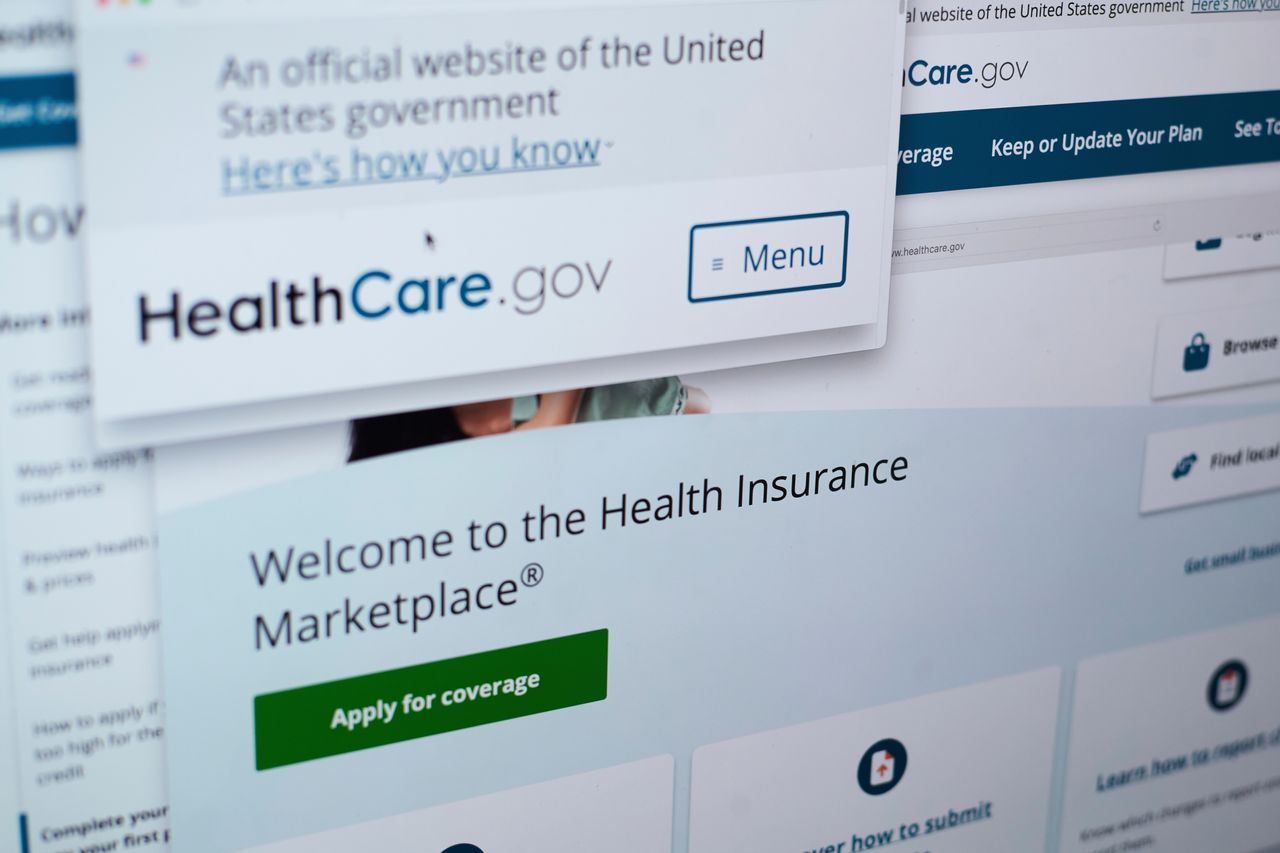 | | Initial signups for Affordable Care Act plans increased over last year. (Patrick Sison/AP) | | | |  | The Lead Brief | Signups for Affordable Care Act coverage raced past last year’s enrollments in November, a remarkable data point given the uncertainty of insurance subsidies that have expired while Congress debates the future of Obamacare. Nearly 5.8 million people signed up for health coverage through federal and state ACA marketplaces in the first month of open enrollment, according to recently released government data. That’s a 7 percent increase over the same time last year — despite the uncertainty of whether Congress will extend the enhanced premium subsidies that expire at the end of the year. The figure includes nearly 1 million new enrollees who previously didn’t have insurance through the exchanges — a potential sign that some people aren’t waiting for Congress to enact a fix. While analysts argue it’s only a small snapshot, Republicans could take this as a signal that one isn’t even needed. → There isn’t further breakdown about enrollees or the plans they’re choosing. However, the ACA comes with its own subsidies for lower-income people that will remain in place even if the bolstered assistance lapses. Yes, but…: The enrollment number represents about a quarter of the 24 million Americans who had ACA coverage in 2025. Analysts expect that millions of people will decide not to enroll in health insurance for next year if their options are too expensive. KFF has estimated that, absent an extension of the enhanced subsidies, average ACA premiums will more than double. → The Senate is set to vote this week on a Democratic proposal to extend the enhanced subsidies for three years — with no changes — and a Republican counterproposal, led by Sen. Bill Cassidy (R-Louisiana), to shift federal cash into health savings accounts for people who sign up for high-deductible plans. Neither bill appears to have a path to the 60 votes needed to pass the Senate, and the House’s plans for health care remain unclear. There are eight legislative days remaining in the year. | | | | | | Numbers Game | 57 percent Nearly 60 percent of Americans support the Affordable Care Act, according to a newly released Gallup poll — the highest level of support since the organization began tracking sentiment about the law in 2012. Most of the support (91 percent) comes from Democrats, but the boost is driven mostly by people who identify as independent, and 63 percent of whom approve of the ACA — a figure that’s been increasing over the last several years. Support among Republicans, while an increase from the level of ACA’s early days, remains low, at 15 percent. | | | | | | Industry Rx | The insurance industry is ramping up efforts to push back against legislation called the No UPCODE Act, which takes aim at the way Medicare Advantage plans calculate how much they’re paid. The bipartisan measure, which supporters say is needed to crack down on “overpayments,” could rack up billions of dollars in savings for the federal government. First in Health Brief: However, opponents say it would lead to worse care for older Americans. In a new letter to congressional leadership, the industry group Better Medicare Alliance — along with dozens of other organizations — argue it would “put seniors at risk,” including leading to an increase in hospitalizations. America's Physician Groups and the New Jersey State Nurses Association are among the other signatories. Why it matters: The letter is a warning shot to lawmakers, on the cusp of an election year, from an industry that’s not afraid to unleash advertising campaigns targeting lawmakers and warning about cuts to coverage. The legislation’s supporters — including its sponsors, Cassidy and Sen. Jeff Merkley (D-Oregon), and AARP, the influential lobby for older Americans — argue it’s needed to curb practices by insurers that they claim has resulted in inflated reimbursement without necessarily resulting in better outcomes. Although the congressional budget experts haven’t analyzed how much it would save the government, Cassidy’s office points out that similar changes have been estimated to save $124 billion over a decade. What’s next: Congress is set to take up another government funding bill next month, and may be looking for ways to offset spending on other programs. Republicans mulled the inclusion of the No UPCODE Act in their sweeping tax and domestic policy law enacted in July, but it was ultimately dropped from consideration following pushback. | | | | | | | | | | | | |


_tstmp_1756933376-1920-1080.png)