autism
New study rebuts Trump'sTylenol claims
Chris Carlson/AP
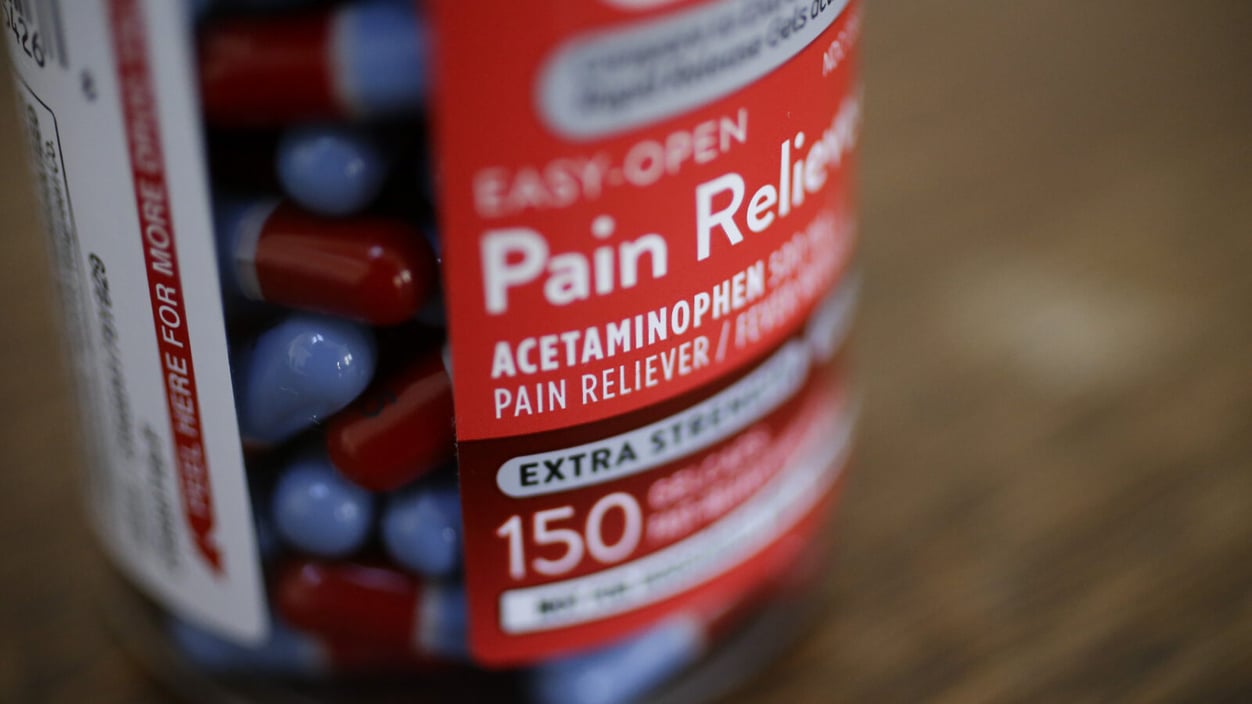
In September, President Trump and top health officials asserted that acetaminophen (Tylenol) should be used only if absolutely necessary during pregnancy, launching a nationwide public information campaign to inform doctors and families of the purported risk. A study published Friday is the latest research to refute that claim.
“While the impact of last year’s announcement has been extensive, I hope the findings of this study bring the matter to a close,” said Grainne McAlonan, a translational neuroscience professor. Of course, it likely won’t be that simple. Read more from STAT’s O. Rose Broderick on how different papers can come to different conclusions even while analyzing the same evidence.
addiction
Stigma persists decades into opioid epidemic
Recent data show that U.S. overdose deaths fell through most of 2025, meaning that for the first time in decades, the number of deaths decreased for more than two consecutive years. But there’s still a long way to go to make proven addiction medications more accessible. Meanwhile, a survey of more than 1,500 people published Friday in JAMA Network Open shows how adults in the general public think about the severity of the problem and the people involved:
- About 81% of respondents saw people who used opioids as holding “a lot” or “a great deal” of responsibility for reducing opioid deaths in the U.S. Three-quarters said pharmaceutical companies had the same high levels of responsibility. But 55% put the onus on federal or state governments, and 45% on local governments.
- Nearly 40% said that they were unwilling to have a person with an opioid addiction as their neighbor. Nearly 60% said they didn’t want such a person to marry into their family.
- The researchers did not find any clear associations between the respondents’ political ideology and their answers to the questions. They did identify an association between being Black or having personal experience with addiction or overdose and a lessened desire for social distance.
health
Where surgery beats medication
In 2024, a long-running clinical trial found bariatric surgery superior to medication and lifestyle management when it came to improving type 2 diabetes. A new secondary analysis looks at how social determinants of health might affect outcomes of the different approaches.
“There's so many more options now for people, which is great. And people might end up needing more than one modality,” said Melanie Jay, a physician and professor who was not involved in the study. And yet across different social backgrounds, the study found that bariatric surgery better addressed type 2 diabetes than medication. Read more from STAT’s Liz Cooney on why.