A phone from the former Yugoslavia, the polished Pleat Mirror and a chat with interior designer Linda Boronkay.
|
Wednesday 21/1/26
|

|
|
London
Paris
Zürich
Milan
Bangkok
Tokyo
Toronto
|
|
|
|

around the block
This week we get a taste of the great outdoors by dipping our toes into Utah State University’s Outdoor Recreation Archive. Then we talk to Linda Boronkay, an interior designer who specialises in cinematic spaces, and recall one of the first truly globalised pieces of technology, a phone from the former Yugoslavia. Finally, we take a good hard look at ourselves in the polished stainless-steel Pleat Mirror – and come away feeling rather pleased. Getting us into gear is Monocle contributor Cat Woods.
|
|
OPINION: cat woods
Cookie-cutter castles
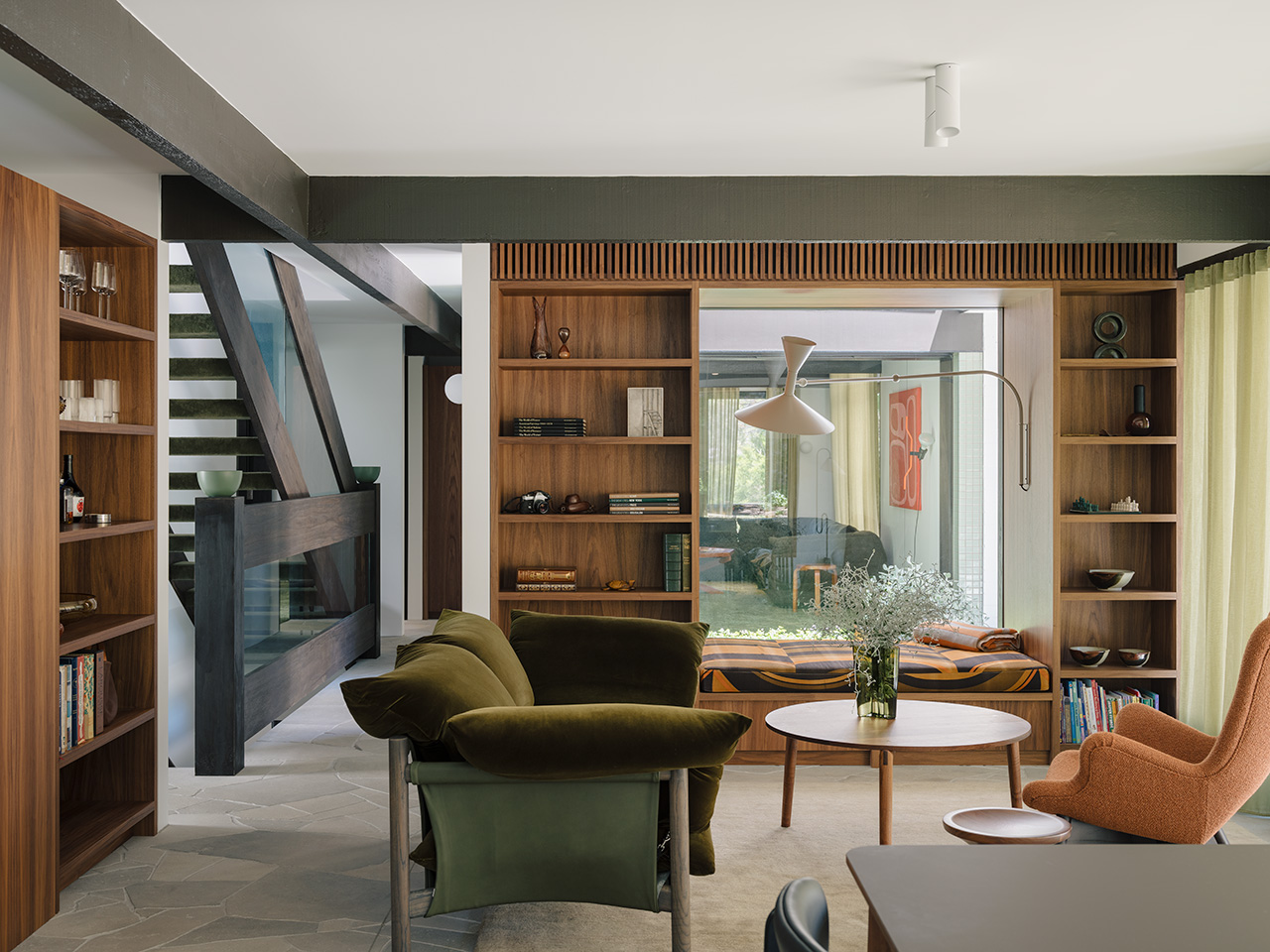
The Australian Dream, to own one’s own quarter-acre block complete with picturebook home, verdant garden and Hills Hoist rotary clothesline, has shifted in recent years. But the desire to own one’s own residence, their “Castle” to paraphrase the hit 1997 Australian cult film of the same name, remains a national ambition. In the country’s most populous state, New South Wales, its legislators have drawn from a 16th-century tradition to make it a possibility. It has launched its own pattern book – an architectural guide containing standardised designs, details and floor plans. The idea has its roots in the Renaissance, when the likes of Andrea Palladio produced sets of standardised classical design principles for easy construction. It’s an approach to building that has remained relevant, even in mid-20th-century Australia, when firms such as Pettitt+ Sevitt provided a collection of designs for homes (pictured, a Pettitt + Sevitt home renovated by Studio Prineas).
Now, the New South Wales government is using it to fast-track housing developments to buy and rent in one of the world’s most expensive cities – Sydney. Simply called the NSW Housing Pattern Book, it’s a collection of award-winning home designs for low and mid-rise residences that can be approved within 10 days. Launched in 2025, following a competition for Australian and New Zealand entrants, it endorses eight terrace, townhouse and manor-house designs that potential homebuyers can purchase for AU$1,000 (€574) each – with a special AU$1 price until the end of this month. Typically, architectural home designs are estimated to be at least AU$20,000 (€11,515). In late 2025, a further nine patterns were added, providing plans for apartments of three to six storeys across small and large lots.
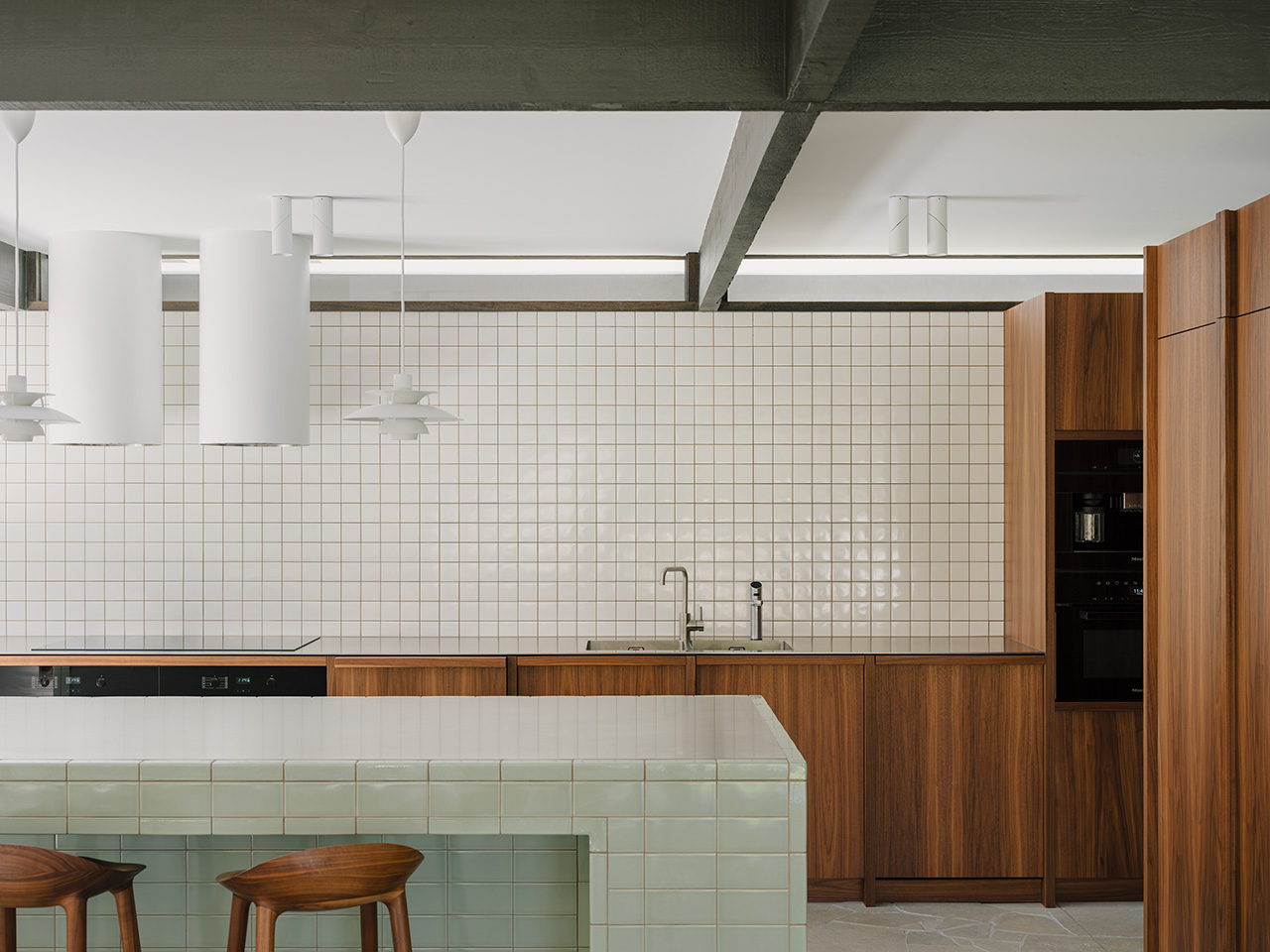
The government hopes that the move will make quality architecture accessible to more people. “The pattern book offers practical and sustainable designs that can be adapted to suit many neighbourhoods, positively contributing to the character of a street,” says NSW government architect Abbie Galvin. “We are making it quicker and easier to build new low-rise homes that offer housing diversity for the whole community.” The project includes designs by Andrew Burges, Collins and Turner, Neeson Murcutt Neille, Spacecraft Architects and Nguluway Design Inc.
Sceptics, including some architects, are wary of the true cost of materials and whether the plans will encourage a generic approach to design for diverse communities and landscapes in New South Wales, not to mention reduced avenues for public feedback and local council approvals. Others also doubt that these developments will genuinely reduce high real-estate prices in the state.
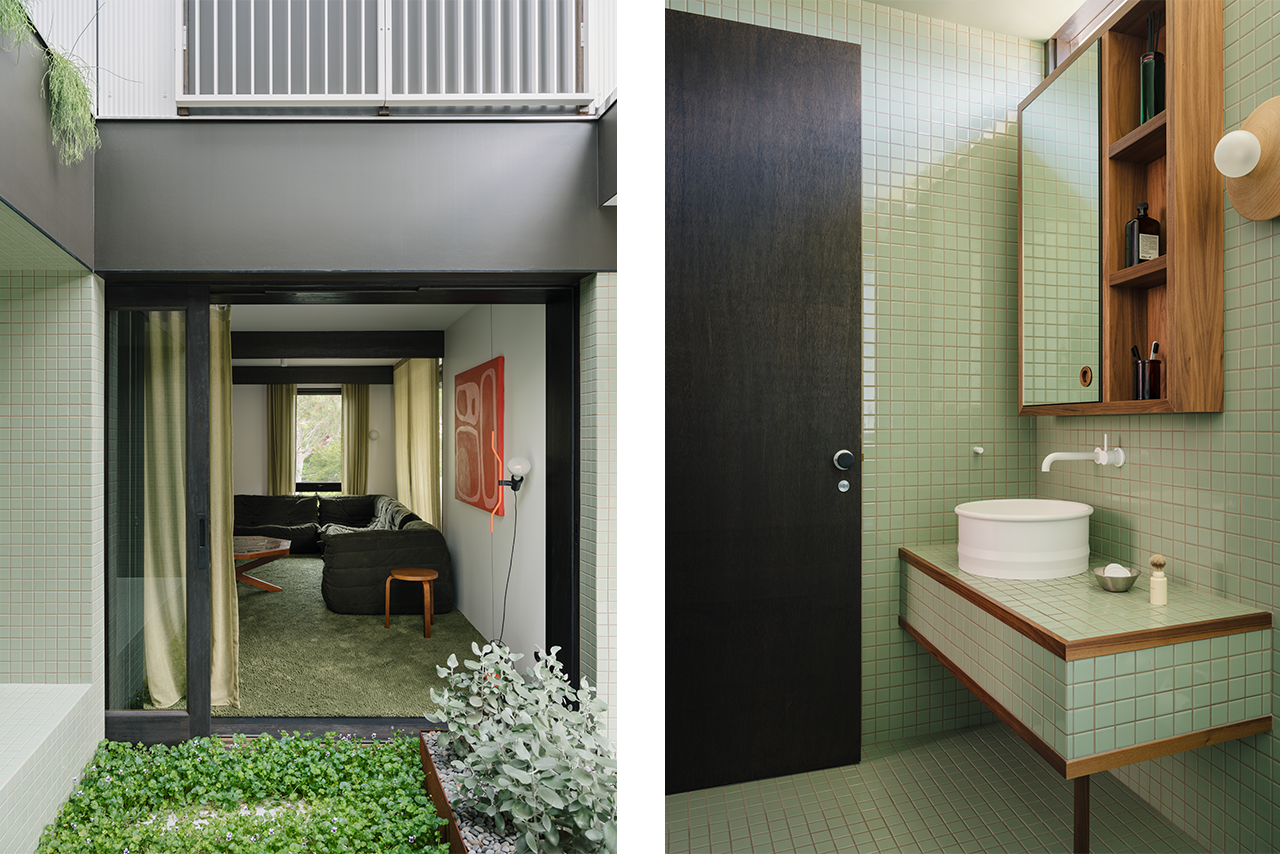
But those in favour have their eye on faster approvals, inherent sustainability qualities and lower costs. And there is reason to be optimistic – there’s a long tradition of pattern books delivering buildings with a strong architectural perspective that communities rally around, from the Renaissance to Pettitt+ Sevitt. Many of these are still revered as “castles” in their own right. Here’s hoping the same might be true for this latest set.
Cat Woods is an Australian journalist and contributor to Monocle. To read about how Australia is revitalising its lanes and alleyways, click here.
|
|
Arts AlUla  MONOCLE MONOCLE
|
|
the project: Outdoor Recreation Archive, USA
Outside looking in
Established in 2017 at Utah State University, the Outdoor Recreation Archive began as a physical collection of print material before eventually being scanned and transformed into an online material inventory. Now a globally sought-after resource, it has become a key destination for fashion and design professionals looking to create for the outdoors. Here they can flip through 1970s photoshoots for US-based company Coleman that look like something out of a Wes Anderson film and pour over original drawings of the Stargazer II tent, a car-mounted shelter that has since ended up in the permanent collection of The Museum of Modern Art in New York.
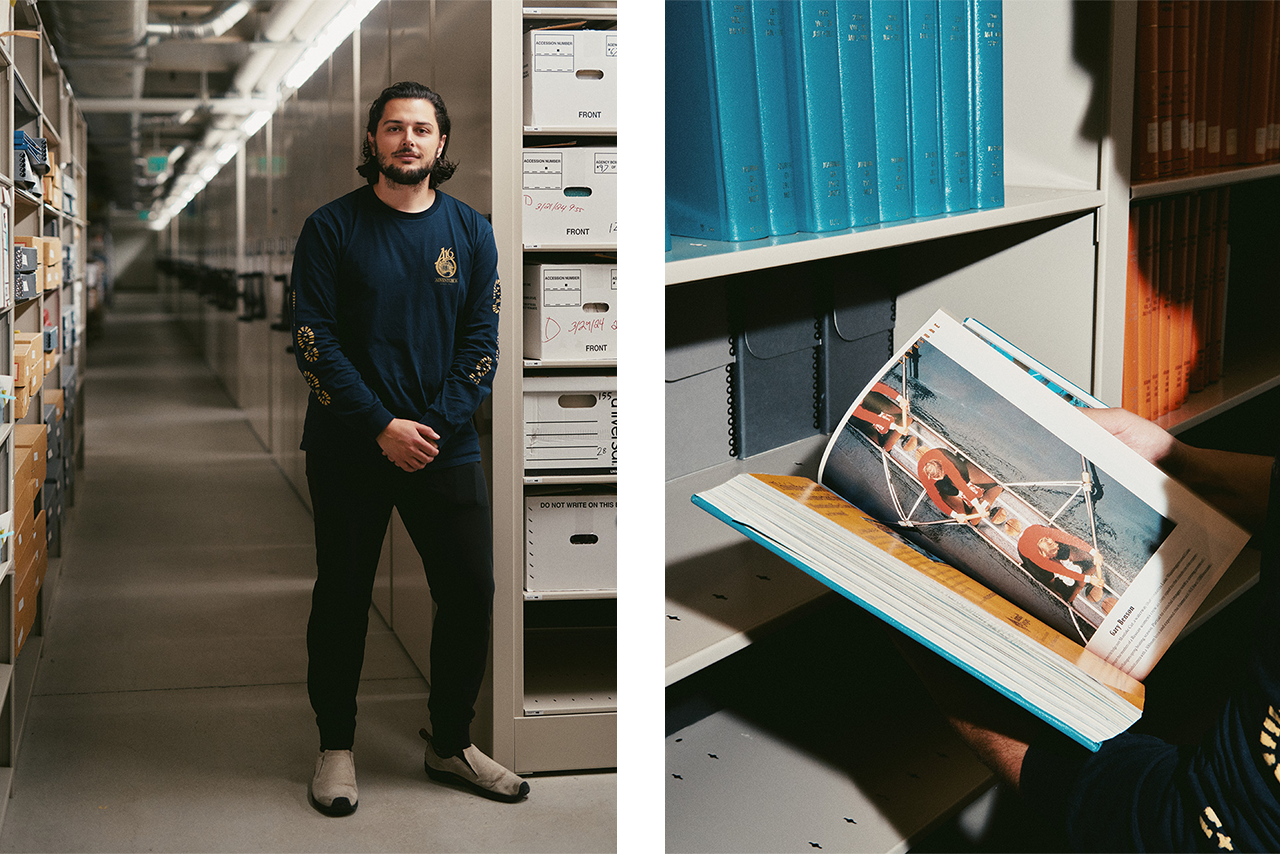
The archive’s growing popularity has encouraged more donations at a pivotal moment of reflection for the sector. “This industry is so focused on moving forward, newness, innovation and solving problems that it’s hard to look back,” says the archive’s co-creator Chase Anderson (pictured, above). “But with many of these founders of pioneering firms ageing and companies hitting their 50th anniversaries, there’s an opportunity to ask questions such as, ‘What are the origins of this industry?’ and, ‘What made these companies successful?’”
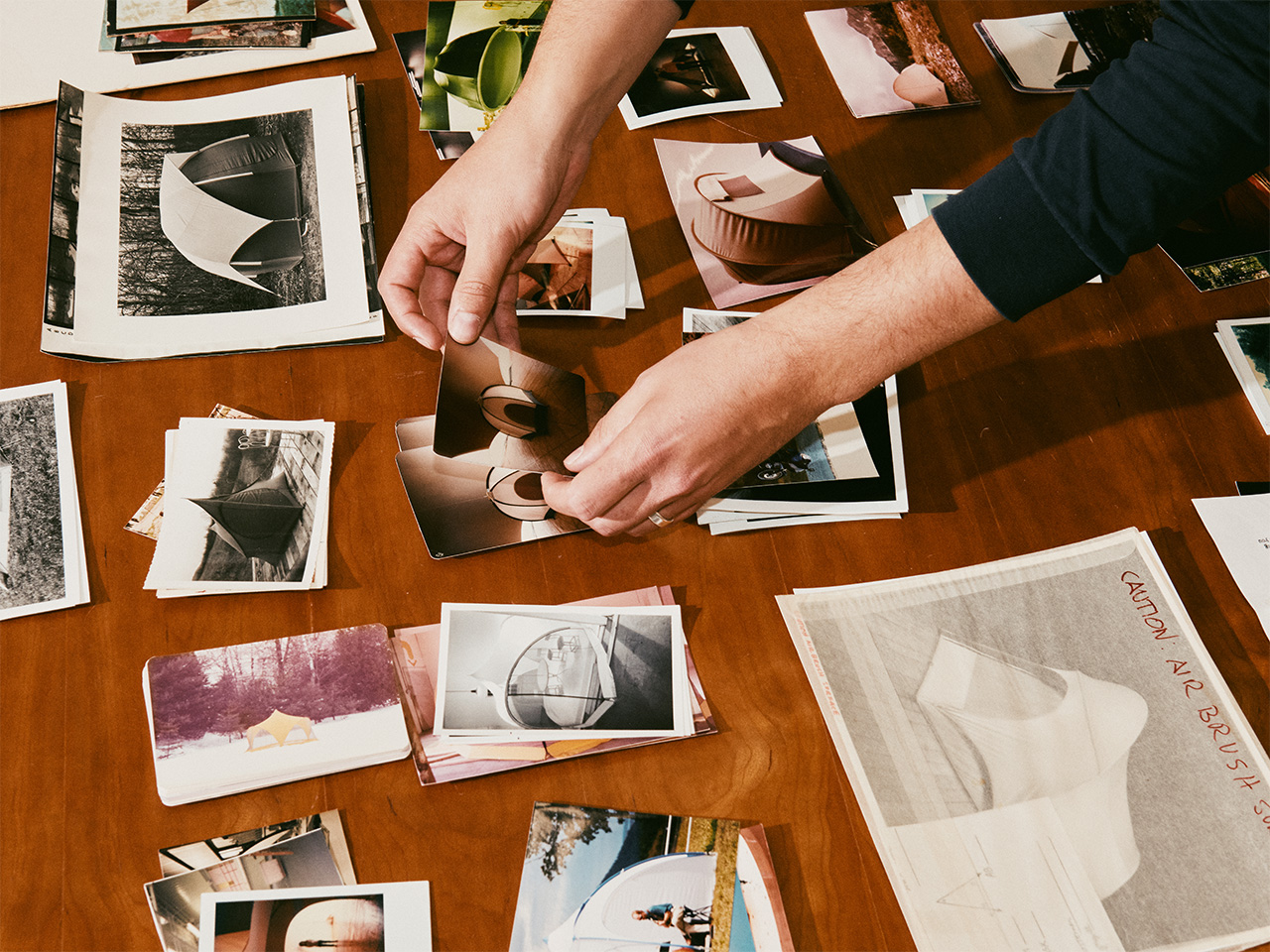
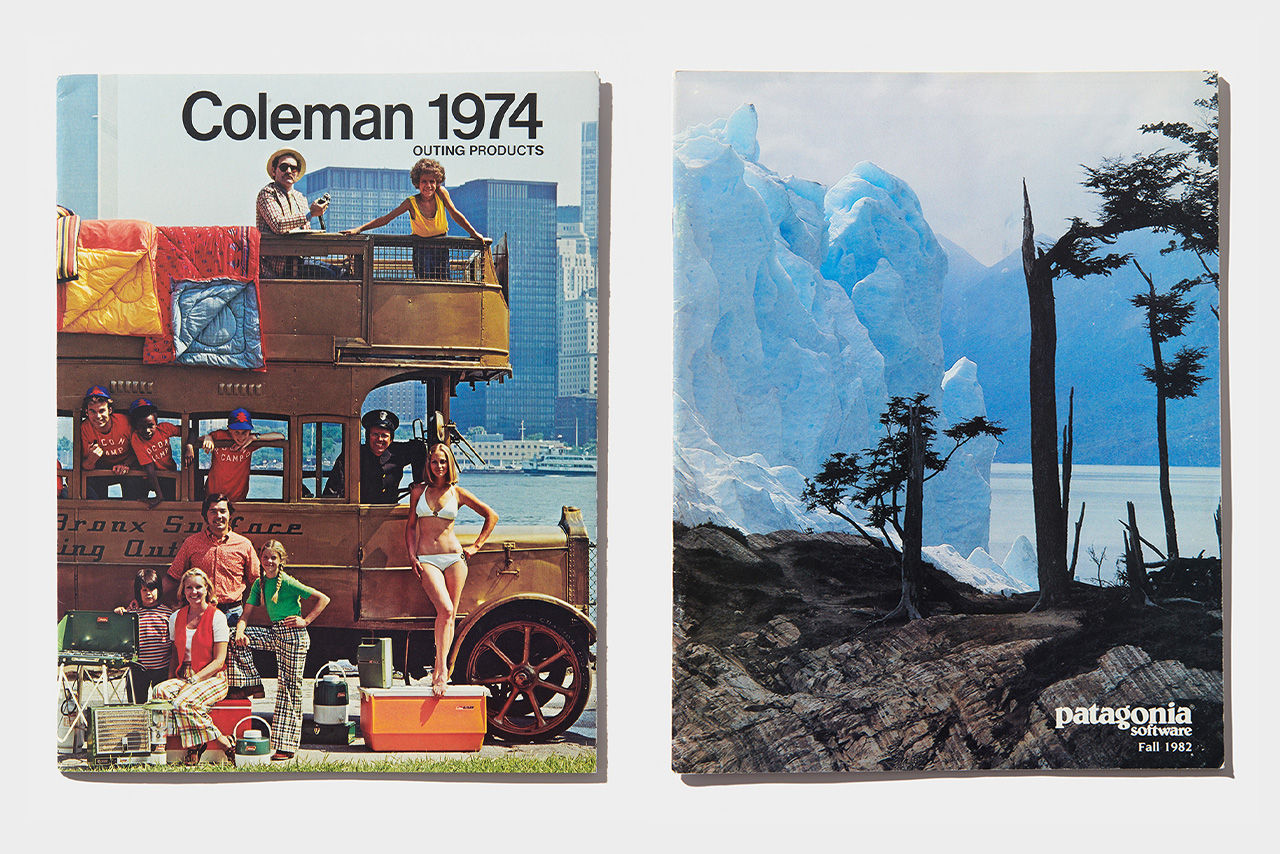
In the search for these answers, the archive has evolved from an academic pursuit to an international creative resource – and that shouldn’t come as a surprise. In the wake of fashion trends such as “gorpcore” – in which technical or utilitarian gear is worn as everyday streetwear – and the rise of outdoor recreation as a hobby, there’s a growing thirst to better understand the visual and design history of this sector. The Outdoor Recreation Archive has put itself at the centre.
For a deep dive into the Outdoor Recreation Archive, click here or pick up a copy of Monocle’s December/January issue, which is on newsstands now.
|
|
WORDS WITH... linda boronkay, UK
Culture club
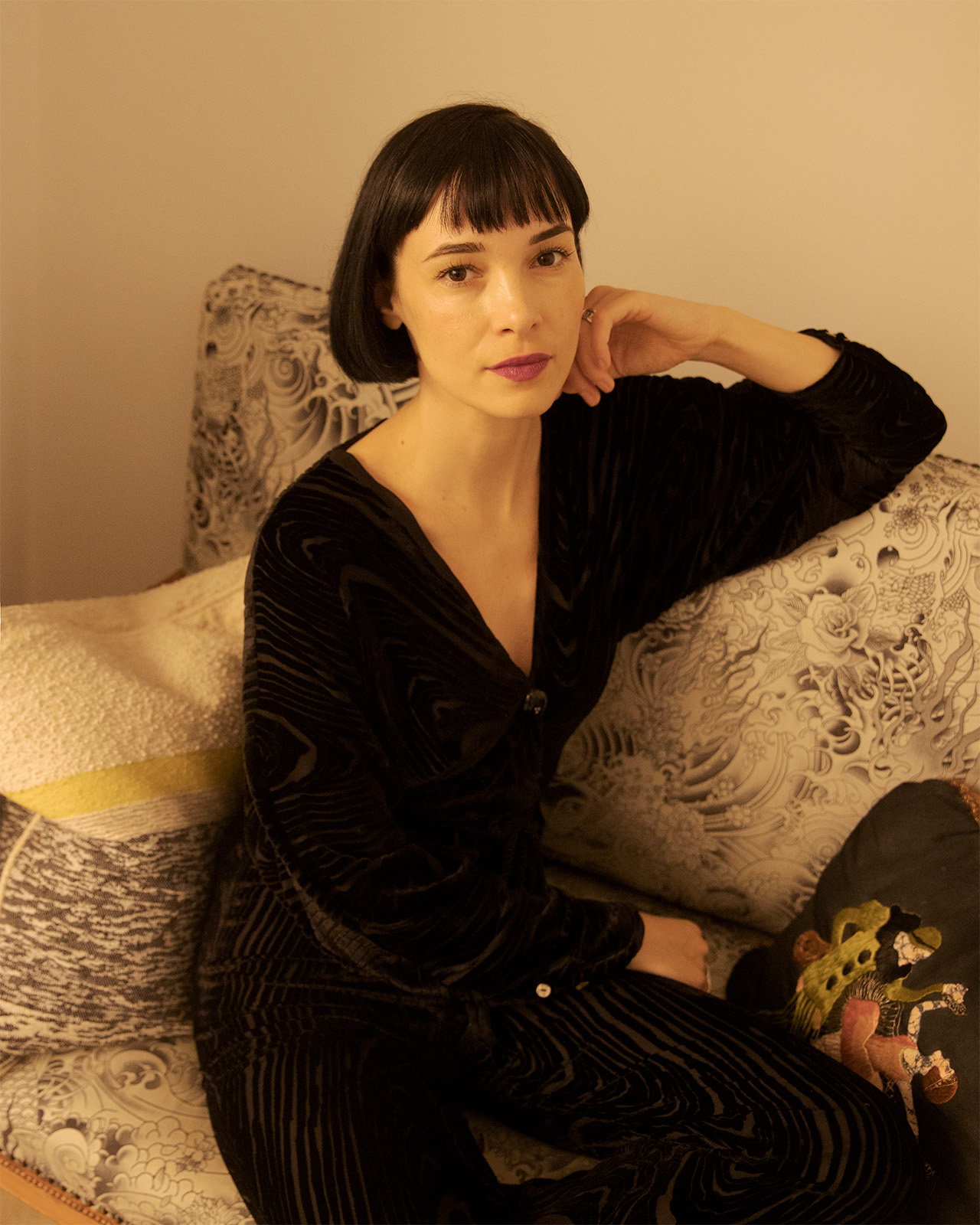
Budapest-born, London-based interior designer Linda Boronkay has built a reputation for creating cinematic spaces that blur boundaries between hospitality, art and fashion. After beginning a fashion career in Paris and working with designers such as Tom Dixon, she founded her own studio in 2020. Her award-winning firm now creates inspiring interiors for hotels, clubs and private residences across the globe, drawing inspiration from film, travel and her Hungarian heritage.
What design movement has influenced you the most?
I have always been inspired by the Wiener Werkstätte movement, a 20th-century Viennese design collective. What fascinates me is its ability to balance bold, graphic elements with an extraordinary level of craftsmanship. The experimentation with different finishes and materials feels endlessly fresh and relevant even today. It’s a reminder of how design can be rigorous, playful and timeless.
The sky’s the limit: which piece of furniture would you love to own?
If I could choose anything, it would be the Alta armchair and ottoman by Oscar Niemeyer. I admire how he translated the sculptural language of his architecture into furniture that feels bold and inviting. The Alta, in particular, has this incredible sense of modernity combined with comfort. It’s a design that I would never tire of living with.
A recurring source of inspiration?
Travel. Experiencing different crafts and ways of living continually shapes the way that I approach design. I love bringing back objects, materials or even just memories that later find their way into my work. It’s the unexpected encounters along the way that often spark the most powerful ideas.
A favourite project that you’ve worked on?
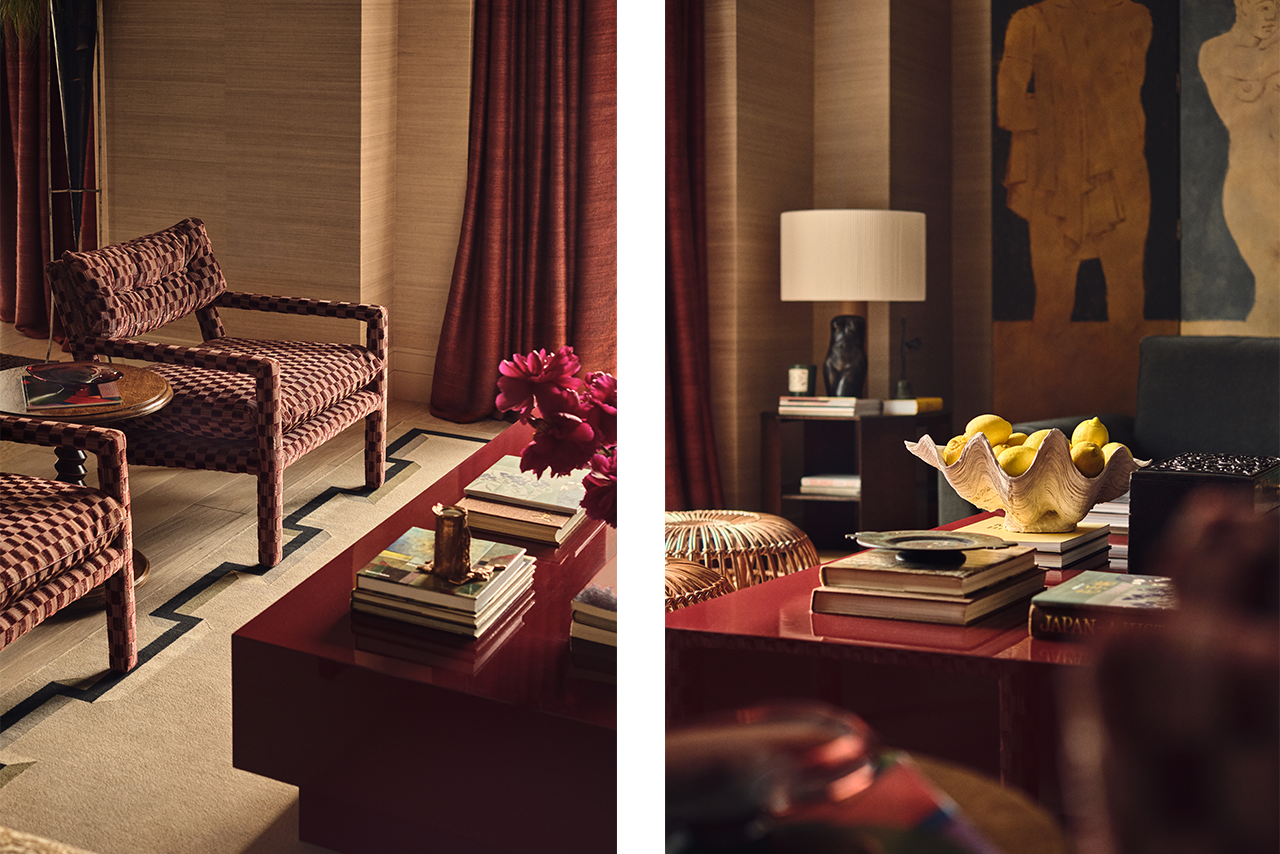
It’s difficult to choose. There are projects such as The Whiteley London (pictured below). Another of my favourite projects has been the transformation of the Palais de la Méditerranée in Nice. Working within such an iconic art deco building was both a privilege and a challenge, requiring a delicate balance of preservation and innovation. I loved weaving local craft and contemporary design together in a way that felt celebratory yet timeless. For me, it embodies everything that I hope to achieve as a designer.
A dream commission?
A boutique hotel set within a historical building in Japan. I am endlessly fascinated by Japanese design, as well as its refinement and respect for materiality and ritual. To marry that with my aesthetic would be an extraordinary opportunity. I would create a space that feels serene, layered and rich in cultural dialogue.
A priority for you and the industry going forward?
Sustainability must remain at the forefront of design. For me, this isn’t only about materials but about longevity – creating spaces and pieces that endure rather than chase trends. Supporting craftspeople and local makers is also a way of ensuring cultural and ecological sustainability. The industry has a responsibility to balance beauty with conscience.
Which city has the best design scene?
London, my chosen home, continues to inspire me with its diversity and energy. Here, the industry thrives on a mix of heritage and innovation, from established institutions to emerging talent. For me, must-visits include the V&A and Tate Modern. I always find something interesting in the Hayward Gallery but I also love wandering through smaller spaces in Shoreditch or Mayfair, where you often discover the most surprising work. A bit off the beaten track is the Carpenters Workshop Gallery in Notting Hill. It is located within Ladbroke Hall, which has a fantastic garden, restaurant and a fun bar, as well as an incredible furniture and lighting collection.
For more from designers like Linda Boronkay, tune into ‘Monocle on Design’ on Monocle Radio. And to explore our London City Guide, click here.
|
|
from the archive: ETA85, former Yugoslavia
Belgrade calling
This landline phone from former Yugoslavia connected the two sides of the Cold War. The country tried to strike a balance between the Eastern and Western blocs by founding the Non-Aligned Movement, a loose grouping with countries such as Ghana, Cuba and Indonesia. Made by Kranj-based company Iskra, this phone symbolises the coalition’s subtle success. Not only were more than five million sold in Yugoslavia and beyond but the model was prodigiously copied on both sides of the Iron Curtain.
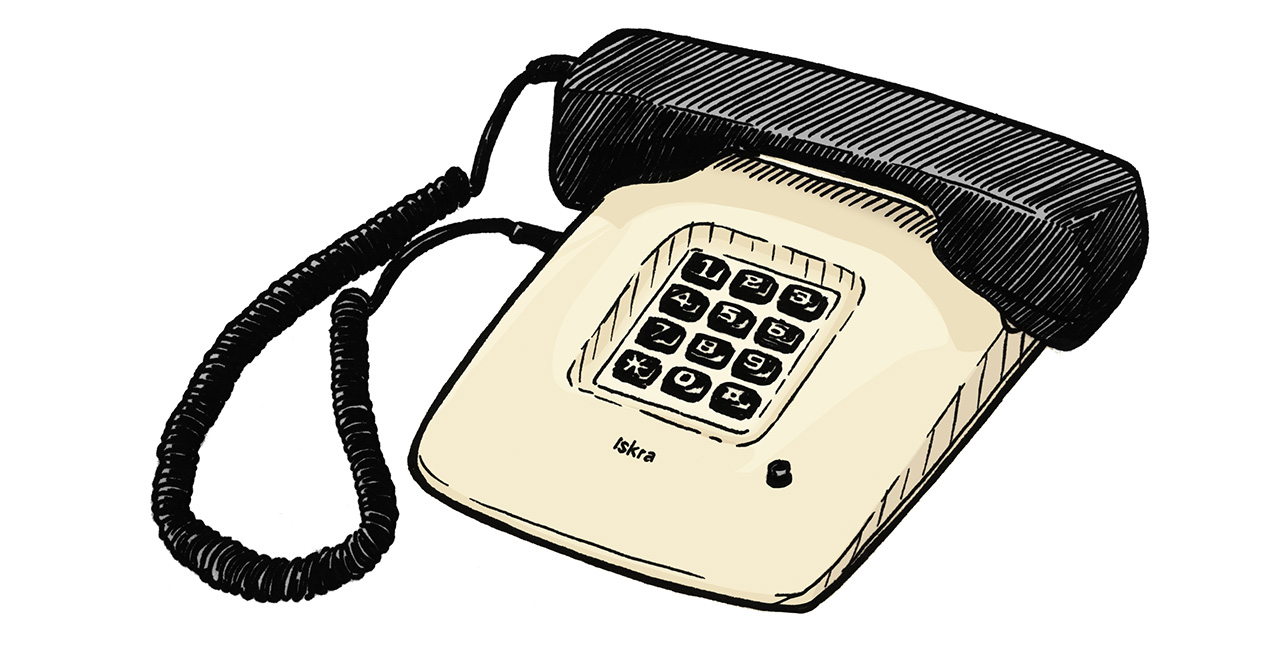
Designed in the late 1970s by Slovenian industrial designer Davorin Savnik, the phone had two generations: the ETA 80, with a rotary dial, and the ETA 85 (illustrated), which introduced a keypad. The thermoplastic design was far more streamlined than earlier telephones – so much so that it earned the nickname Fittipaldi, after Brazilian Formula 1 ace Emerson Fittipaldi. Some estimates put the combined total of originals and knockoffs at more than 300 million, making it one of the first truly globalised pieces of technology – and all these decades before the touch-screen smartphone conquered the world.
For another peak behind the former Iron Curtain, pick up a copy of the ‘Monocle Design Directory’, which features a report on spomeniks, the monumental Yugoslavian memorials that are still dotted across the Balkan countryside today.
|
|
around the house: Pleat Mirror, Denmark
Steeling the show
Stockholm-based designer Gustav Winsth created the Pleat Mirror for Danish brand Muuto. Launched this month, it’s cut from a single sheet of mirror-polished stainless steel, taking advantage of the material’s unique properties to offer a reflective quality without the fragility of glass. “Mirror-steel is stainless steel polished so precisely that it becomes visually indistinguishable from mirror-glass,” says Winsth. “The difference lies in what it allows you to do. Glass is fragile and fundamentally flat; steel isn’t. That freedom to fold, bend and create volume became the foundation of Pleat.”
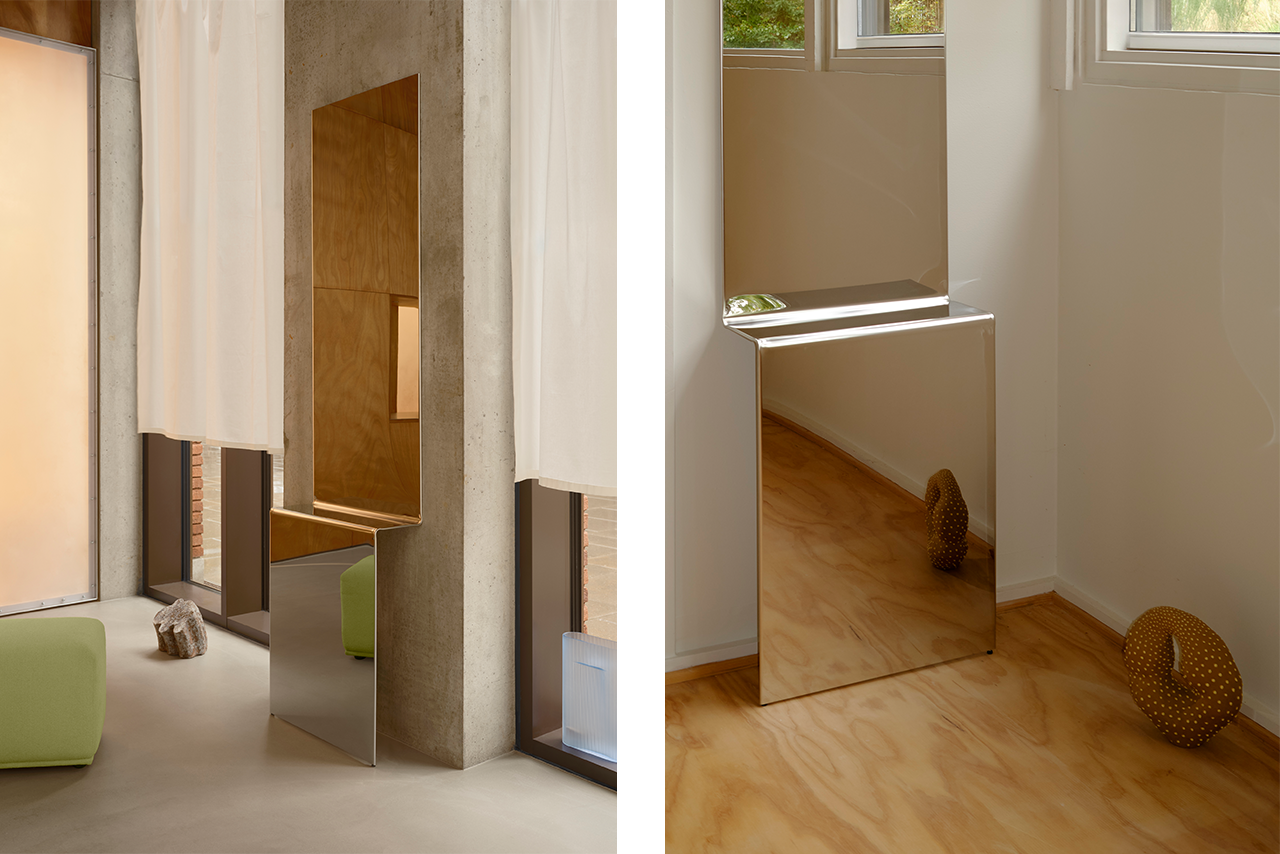
The designer, who has a background in mechanical engineering, discovered the material during a workshop visit and began to explore its sculptural potential soon after. Scaled to echo a doorway’s proportions, the mirror’s folded form adds depth and shifts with changing light, making it ideal for those seeking a functional piece that doubles as architectural art in residential or commercial spaces.
muuto.com
For more design ideas, head to monocle.com.
|
|
| | |