On the ground in Greenland, Germany’s telemedicine takedown and an island-inspired incense.
|
Thursday 22/1/26
|

|
|
London
Paris
Zürich
Milan
Bangkok
Tokyo
Toronto
|
|
|
|

Good morning from Midori House. For more news and views –including live reporting from Nuuk, Davos and Paris – tune in to Monocle Radio. Here’s what’s coming up in today’s Monocle Minute:
THE OPINION: The Oscars need to go global
SOCIETY: Is Germany calling time on telemedicine?
DAILY TREAT: Island-inspired incense from Astier de Villatte
FROM MONOCLE.COM: How Trump’s threats are bringing Denmark and Greenland together
|
|
Why the Academy Awards should get rid of its foreign-language category
By Catherine Balston
|
Film’s gilded night is drawing ever closer and today The Academy will shortlist the titles up for winning an Oscar come March. Brazilians, who have already been in party mode celebrating the double Golden Globe success of O Agente Secreto (The Secret Agent), are steadying themselves for further merriment. Set during Brazil’s late-1970s military dictatorship, it scooped Best Motion Picture in the non-English category, while the star, Wagner Moura, won Best Performance by a Male Actor in a drama. While the news sparked an outpouring of pride in Brazilian culture, there was also dissonance. Moura’s performance, delivered in Portuguese, was singled out above the English-speaking shortlist, while the movie itself was relegated to the “foreign language” category. The acting could travel but the film still needed a passport.
Industry awards – the Oscars in particular – have come under increasing criticism for keeping English as the default measure of universality, especially given the ever more international shortlist of films. Since South Korea’s Parasite won Best Picture at the Oscars in 2020, there has been at least one non-English movie in the line-up and, for the first time ever, two shortlisted in 2025: Brazil’s mother-courage story Ainda Estou Aqui (I’m Still Here) and Spanish-language French musical crime film Emilia Pérez.

Body language: Wagner Moura in ‘O Agente Secreto’
Moura recently poked fun at the Anglocentric awards circuit. While announcing the winner of Best Picture on stage at the Critics’ Choice Awards, he quipped, “or as we call it in Brazil, best foreign picture”.
The joke is on the awards for being so out of step with a globalised industry. Streamers have opened access to non-English titles, offering much larger volumes of international content, and viewing habits have fundamentally changed as a result. Subtitles are no longer a barrier to the success of films such as Norwegian monster movie Troll or French shark thriller Under Paris (the top two non-English pictures on Netflix, each racking up more than 100 million views to date). Foreign films and series are now mainstream viewing in English-speaking markets and living rooms, especially among younger audiences; two thirds of people aged 18 to 34 regularly watch foreign-language content. So, are VPNs the new library card? One click and viewers have access to a world of titles, circumventing the quirks of territory licensing or offering up something new when they’ve exhausted their country’s streaming roster.
Cinema is, after all, a universal language – it’s just spoken in many dialects. We can all understand the human experience of TV characters, regardless of the vernacular. We follow the plot, understand the emotions and connect to the art. But the unique cultural context and norms of each filmmaker is what sets them apart – and that difference makes the viewing experience all the richer.
Films such as O Agente Secreto and Ainda Estou Aqui aren’t compelling because they are “foreign” – they are compelling because they are written, made and performed well. The persistence of language-based award categories feels increasingly misplaced. While viewers flick easily between languages, institutions continue to draw borders that the screen itself has already dissolved.
Catherine Balston is a journalist based in São Paulo and London. Keep your eyes peeled for an interview with the director of ‘O Agente Secreto’, coming up soon in Monocle. Further reading? See ‘The death of the end credits: What streaming subtly gained by taking them away’.
|
|
HITACHI ENERGY  MONOCLE MONOCLE
|
|
society: germany
If Germany wants to kick-start its economy, it needs to stop pulling a sickie
There’s a bigger scourge on German businesses than the threat of US tariffs (writes Chris Cermak). According to Chancellor Friedrich Merz, it’s sick days. And, more specifically, telemedicine. Germany’s health minister, Nina Warken, told Berlin’s Tagesspiegel newspaper this week that the government is looking to limit Germans from securing doctors’ notes over the phone. Merz vowed to crack down on sick leave in a campaign speech last week, noting that the nation’s average of taking 14.5 days off in 2025 was well above the European average. By comparison, data suggests that Brits and Americans take about 4.5 days on average.
Phone-in doctors have become increasingly common in Germany since the coronavirus pandemic and the government believes that it’s now too easy for people to get signed off work without a proper medical check-up. But whether telemedicine is really the culprit is debatable. A study from German economic think-tank Zew found that phone-in doctors had little to do with any rise in sick leave among Germans. Some experts have pointed the finger at rising mental-health issues, respiratory illnesses and the country’s rapidly ageing population. After three years of a virtually stagnant economy, Merz is right to shake the country out of its complacency and get Germans back to work. But Berlin needs to stop phoning it in and tackle the litany of structural problems that it’s facing.
Sick of not knowing where to go in the German capital? Consult our Berlin City Guide.
|
|
• • • • • DAILY TREAT • • • • •
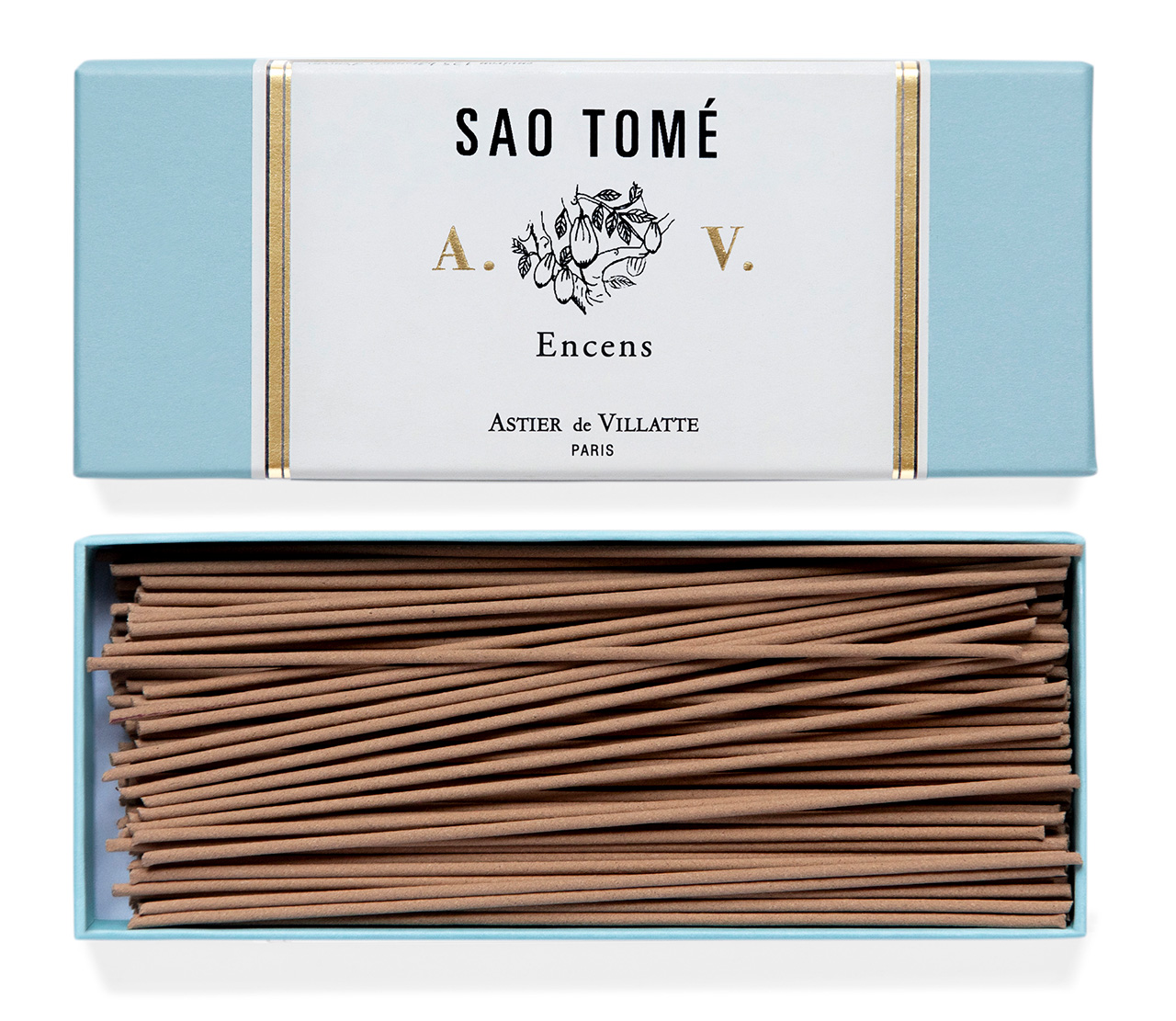
Indulge in the slow burn with incense from Astier de Villatte
Paris-based Astier de Villatte, a design house known for its elegant and lightweight ceramics, has found inspiration in the island nation of São Tomé and Príncipe for the latest addition to its incense line.
The new scent draws on São Tomé’s plentiful cocoa reserves, blending notes of roasted cocoa with Atlas cedar, labdanum, sandalwood and musk, making for a luxurious room filler to accompany the workshop’s delicate ceramics.
astierdevillatte.com
|
|
|
Sponsored by Hitachi Energy
|
|
|
|
|
|
FROM MONOCLE.COM: greenland
‘I would feel safer to stay with Denmark’: The Greenland crisis has brought the territory closer to Copenhagen
The sun rises at about 10.45 in Nuuk during this time of year (writes Alexis Self). What that really means is that it gets light at 11.30. Since most Greenlanders wake early, this gives them plenty of pre-dawn time to digest the latest biliousness out of Washington. For a people largely defined (at least by the rest of the world) by their lives spent in remote and climatically unforgiving terrain, the glare appears uncomfortable.

Standing up: Hanna-Louisa Petersen
“There has been anxiety and I’ve had some difficult talks with my partner about what we would do if there is a possible invasion by the US,” says student Hanna-Louisa Petersen, visibly distressed. “But I have been trying to live my life normally.”
Here, Monocle meets stoic Greenlanders and explores how their relationship with their former colonial power, Denmark, is improving.
|
|
Monocle Radio: MEET THE WRITERS
Mary L Trump and how power destroys a nation
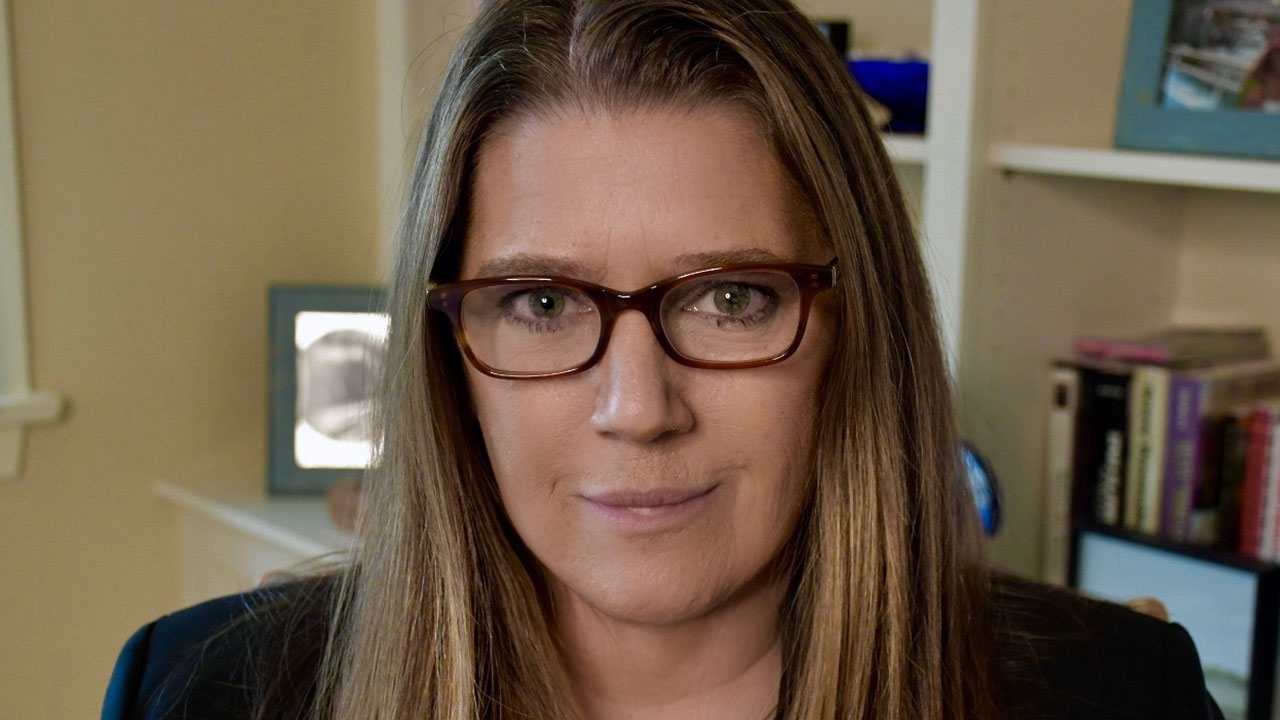
Georgina Godwin meets US psychologist and author Mary L Trump. They discuss her upbringing within the Trump family, pivoting from psychology to writing memoirs and what’s next for America and its politics.
| | | | |