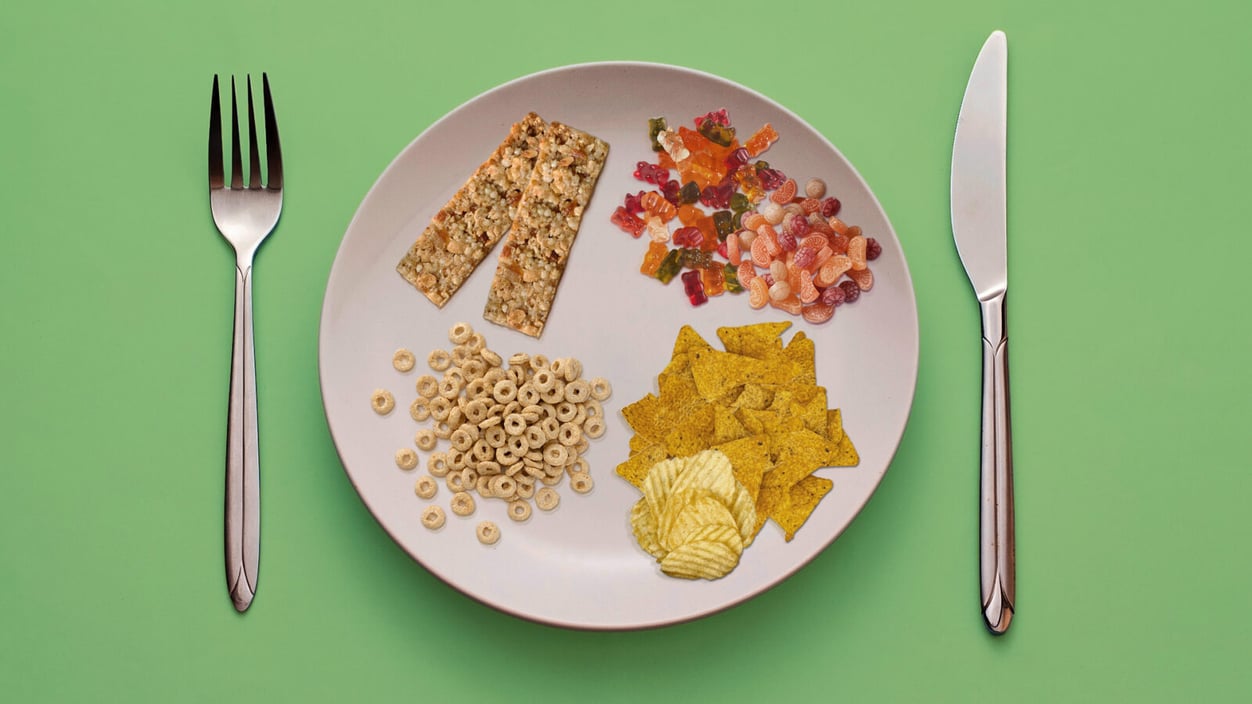
STAT's better-for-you snack smackdown
Camille MacMillin/STAT
The $156 billion packaged snack industry has spotted a business opportunity in the MAHA movement. There are Pop-Tarts with extra protein and SunChips built for fibermaxxing. Smaller, boutique brands tout products like onion rings and cheese balls with “clean” ingredients. But it’s more complicated than you might think to figure out whether munching on avocado-oil potato chips is actually better for us than the regular ole’ Lays. It involves parsing the research on ultra-processed foods and understanding both human snacking habits and corporate selling ones.
Luckily, STAT’s Sarah Todd was willing to do a lot of that work for us. In her latest story, Sarah talked to nutrition experts about this grocery aisle gold rush. She also taste-tested some specific products with our STAT colleagues in Brooklyn. Read more to find out which Tostitos queso substitute reminded another reporter of vomit.
mental health
Two major suicide foundations merge
The American Foundation for Suicide Prevention (AFSP) and the Jed Foundation announced yesterday that, as long as the New York attorney general approves, the groups will merge to form the country’s biggest suicide prevention nonprofit.
Already, AFSP asserts it is the largest private funder of suicide prevention research. Jed has historically focused on partnering with schools and community groups on programming and awareness campaigns. The new group will have an annual operating budget of around $75 million and net assets near $140 million. It will focus on building research and then translating that work into tools and policies for coordinated suicide prevention from youth through adulthood.
The announcement comes at a time when federal funding may feel rather tenuous. Last year, the Trump administration’s funding cuts decimated the Substance Abuse and Mental Health Services Administration, grinding much of the agency’s work to a halt.
first opinion
What happens when you get a cold on the moon?
After the Artemis II mission, NASA leadership announced that the journey was the beginning of a lunar “relay race” that will have a crew of humans operating out of a moon base within the next decade. The eventual goal? Mars.
In a new First Opinion essay, biosciences professor Scott E. Solomon argues that human health will be an important factor in these efforts, particularly when it comes to immunology and infectious disease. Once humans have a base on the moon, so will all sorts of microorganisms that will quickly start going through evolutionary changes. Read more on how we should prepare.