|
|
April 22, 2026
|
 |
| |
WORKERS MEMORIAL DAY
|
| |
|
|
| |
MAKING WORK ZONE SAFETY A PRIORITY
|
| |
 |
|
Written by the Roadway Work Zone Safety and Health Alliance
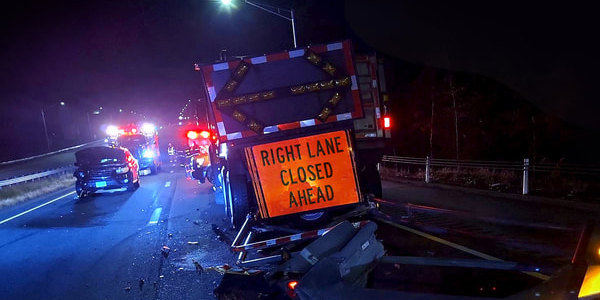
Every day, roadway workers face serious risks simply by doing their jobs near live traffic. Work zones are among the most dangerous environments in construction, and the consequences of unsafe driving through these areas are often fatal.
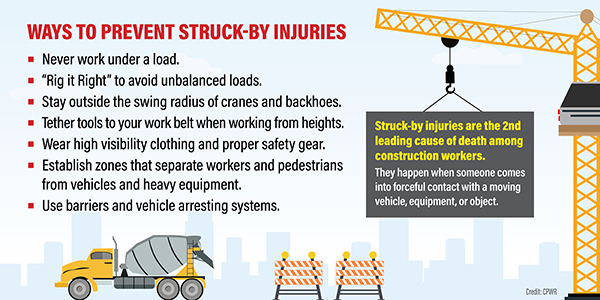
According to national data, nearly 900 people are fatally injured in work zone crashes each year, and thousands more are injured. Alarmingly, most of those killed are drivers or passengers, but roadway workers are also at constant risk. For the construction industry, this danger is especially critical: struck-by incidents account for roughly one in five construction worker fatalities, making them a leading cause of fatalities cited by OSHA.
These realities make work zone safety a shared responsibility, one that extends beyond roadway crews to employers, fleet operators, and every driver passing through a work zone.
National Work Zone Awareness Week, taking place this year from April 20-24, serves as a national call to action for safer behaviors in and around work zones. The annual event is coordinated by an Executive Committee of national partners, including American Traffic Safey Services Association, Federal Highway Administration, American Association of State Highway and Transportation Officials, OSHA and more than a dozen additional agencies committed to improving work zone safety.
|
|
| |
HOLDING BAD ACTORS ACCOUNTABLE
|
| |
 |
|
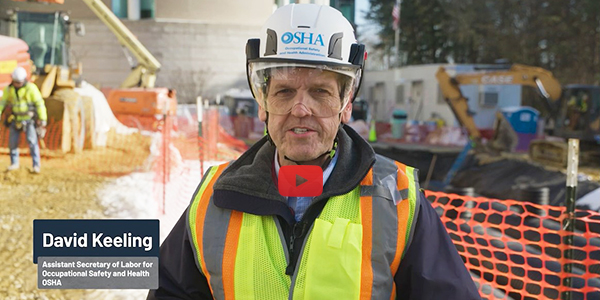
In this video, Assistant Secretary for OSHA Dave Keeling joins Construction Safety Week for the National Safety Stand-Down to Prevent Falls, highlighting how preventable falls continue to be a leading cause of serious injuries and fatalities. The message is clear: use fall protection every time, speak up about hazards, and choose safety—because the right decision can save a life.
|
|
| |
DATES TO REMEMBER
|
| |
|
|
| |
STAY ALERT. GET HOME SAFE.
|
| |
|
|
| |
PROTECTING YOUR RIGHTS
|
| |
 |
|
We filed suit against a South Dakota construction contractor for wrongful termination of an employee who reported a severe work-related injury. The worker suffered second- and third-degree burns from scalding water in a pressurized pipe—a severe incident that should have prompted support, not retaliation. Instead, OSHA investigators found the employer fired the worker two days after the injury was reported, violating the whistleblower provisions of the Occupational Safety and Health Act.
The lawsuit asks the court to hold the company and its successor liable for illegal retaliation, including reinstating the employee, payment of back wages and damages with $100,000 in punitive damages.
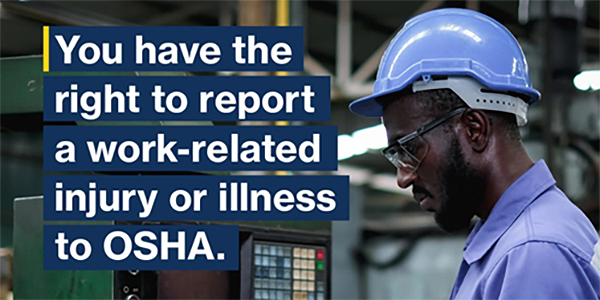
OSHA protects employees from retaliation for reporting unsafe workplace conditions or injuries. For more information on whistleblower protections, visit our Whistleblower Protection Programs webpage.
|
|
| |
20 YEARS OF SAFETY COLLABORATION
|
| |
 |
|
The OSHA Georgia Struck By Alliance is marking a major milestone this year as it celebrates its 20th anniversary—a testament to two decades of collaboration, innovation, and commitment to worker safety. What began as a focused effort to address one of construction's leading causes of fatalities has grown into a broader, more dynamic partnership tackling a range of occupational safety and health issues.
This milestone year brings an expanded focus, thanks to a joint effort with the Georgia Mental Health Alliance on a new, forward-looking stand down initiative. To commemorate the anniversary, both Alliances teamed up to develop the 2026 Joint Georgia Struck-By and Georgia Mental Health Alliance Stand-Down. Centered on the theme "Cooling Down Your Mind and Body," the initiative brings awareness to mental health emergencies, heat illness prevention, and traditional struck-by hazards—reflecting a more holistic approach to worker safety.
The Alliance also participated in this month's webinar on available compliance tools from OSHA and the Department of Labor's Wage and Hour Division. The event unveiled a new webpage of resources and encouraged organizations across all industries to host safety stand-downs throughout the season. By expanding outreach and widening participation, OSHA and its partners hope to inspire a new generation of employers to strengthen their safety culture.
|
|
| |
SAFETY AT EVERY LEVEL
|
| |
 |
|
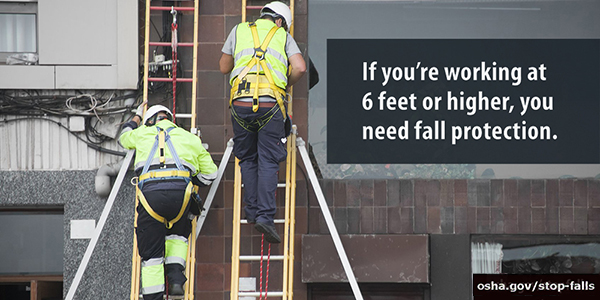
Workplace falls remain one of the leading causes of serious injuries and fatalities. In fact, falls account for more than a third of workplace fatalities. That's why OSHA's National Safety Stand-Down to Prevent Falls, taking place May 4-8, calls on employers and workers to take a break from normal activity at their worksites and focus on fall prevention, which can be lifesaving for anyone working at heights.
Ensuring that workers are protected from falls begins from the ground up by following three crucial steps before work begins:
PLAN ahead to get the job done safely by deciding how the job will be done, what tasks are involved, and what safety equipment may be needed to complete each task. For example, in a roofing job, think about all the different fall hazards, such as holes or skylights and leading edges, then plan and select fall protection suitable for that work, such as personal fall arrest systems.
PROVIDE the right equipment for the job, including the right kinds of ladders, scaffolds, and safety gear. For roof work, if workers use personal fall arrest systems, provide a harness for each worker who needs to tie off to the anchor. Make sure the equipment fits and regularly inspect it for safe use.
TRAIN everyone to use the equipment safely. This includes proper set-up and use of equipment, and training workers to recognize hazards on the job.
Visit our Fall Prevention webpage for more safety tips and resources.
|
|
| |
WORKPLACE SAFETY MILESTONES
|
| |
 |
|
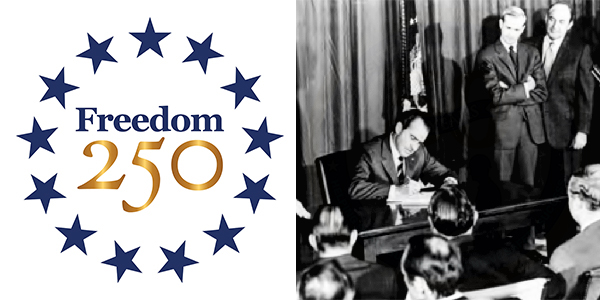
As we approach the celebration of the 250th anniversary of our nation's founding, we continue to feature important events in OSHA's history that have shaped worker safety in America.
Created by the Occupational Safety and Health Act of 1970 and signed into law by President Richard Nixon, OSHA officially opened its doors on April 28, 1971. In its first decade, the agency issued the first standards for asbestos, lead, carcinogens, and cotton dust, while also launching programs that continue to define its mission today—including the OSHA Training Institute, On-Site Consultation Program, State Plans, and whistleblower protections.
For more than half a century, OSHA has helped transform America's workplaces in ways that have significantly reduced workplace fatalities, injuries, and illnesses, reflecting decades of progress driven by strong standards, enforcement and collaboration. Explore OSHA's 50th Anniversary webpage to learn more about how the agency has helped shape workplace safety and how that work continues today.
|
|
| |
YOU ASK...WE ANSWER
|
| |
 |
|
❓ What does a Special Government Employee do and what are the requirements to become one?
| | |