| | The Middle East conflict depletes US weapon reserves, Europe eyes a NATO-like mutual defense agreeme͏ ͏ ͏ ͏ ͏ ͏ |
| |  | Flagship |  |
| |
|
The World Today |  - Iran war hits US readiness
- Oil markets face turmoil
- Dangote refinery plans
- Europe eyes mutual defense
- Canada’s tariff response
- DeepSeek catches up
- Intel’s AI share boost
- Insider trading arrests
- Rare dissent in Russia
- Giant ancient octopus
 A collection of essays and poems about a tiny urban garden from a Nobel-winning author. |
|
Iran war depletes US stockpiles |
 Franciszek Mazur/Agencja Gazeta/Reuters Franciszek Mazur/Agencja Gazeta/ReutersThe Middle East conflict has evolved into a wary standoff after a series of ceasefires, but it has come at a considerable cost to US war readiness. Washington said an Israel-Lebanon truce would last a further three weeks, after earlier extending a ceasefire with Iran indefinitely. American forces have used thousands of missiles in attacking Iran while allies have powered through stockpiles in fending off Tehran’s assaults, leaving reserves low and forcing the Pentagon to rush hardware to the Gulf. The drawdowns have left the US underprepared for potential conflict with Russia or China; in particular, replacing stockpiles of air-defense missiles — critical to supporting Taiwan should China invade — could take six years, The Wall Street Journal reported. |
|
Oil, gas markets brace for more pain |
 Yves Herman/Reuters Yves Herman/ReutersOil and gas markets — already in turmoil over the Strait of Hormuz closure — will likely face further and lasting disruptions in the months ahead, analysts warned. Iranian attacks on liquefied natural gas facilities in Qatar will result in constrained LNG markets through all of next year, the International Energy Agency said. A Barclays economist, in a note to clients, meanwhile argued that traders were underestimating the risk of further unrest, with oil and energy-related equities likely underpriced. Even the US, which has seen itself as relatively insulated, should brace for gasoline price rises as its summer driving season begins, JPMorgan’s head of commodities strategy wrote, an increase that could have political implications ahead of midterm elections in the autumn. |
|
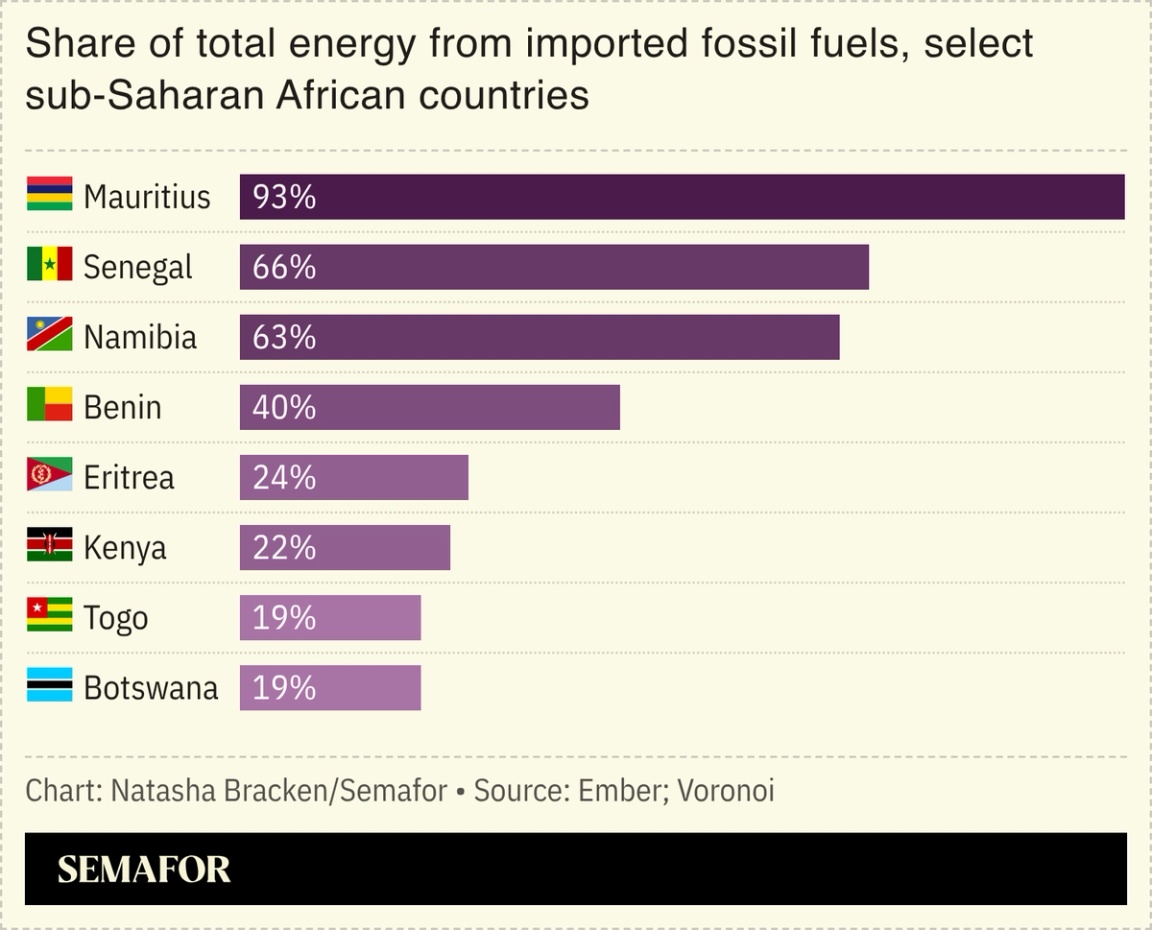
Refinery to boost Africa autonomy |
|
Poland questions US NATO ‘loyalty’ |
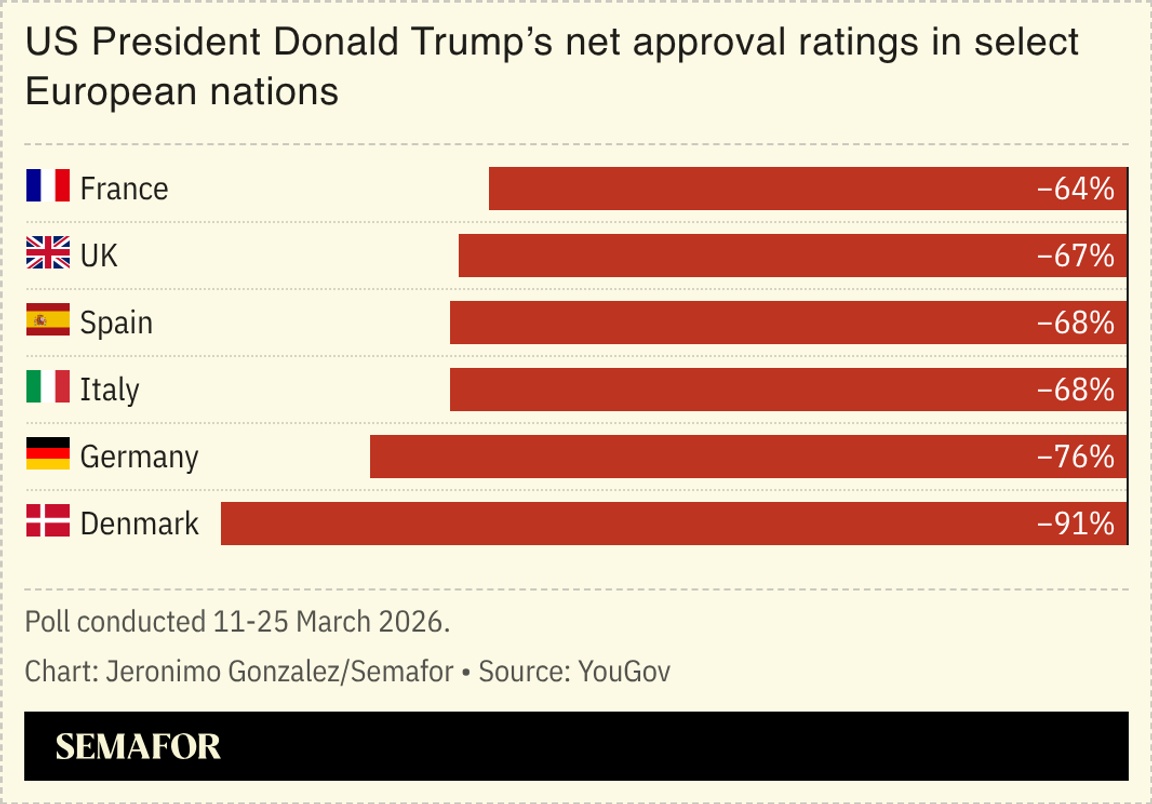 Polish Prime Minister Donald Tusk questioned US “loyalty” to its NATO allies and suggested that the EU step up its own mutual defense commitment, the latest sign of worsening transatlantic ties. The EU has a mutual-defense clause comparable to NATO’s Article 5, but it has less weight because it lacks Washington’s backstop. US President Donald Trump’s repeated suggestions that Washington may not honor the NATO agreement, and reports that the US is exploring removing Spain from the alliance over its failure to support the Iran war, however, have raised the EU defense agreement’s importance. European military spending is up, and France has promised to include Europe under its nuclear umbrella, including potentially basing nuclear bombers in allied countries. |
|
Canada digs in on regional trade pact |
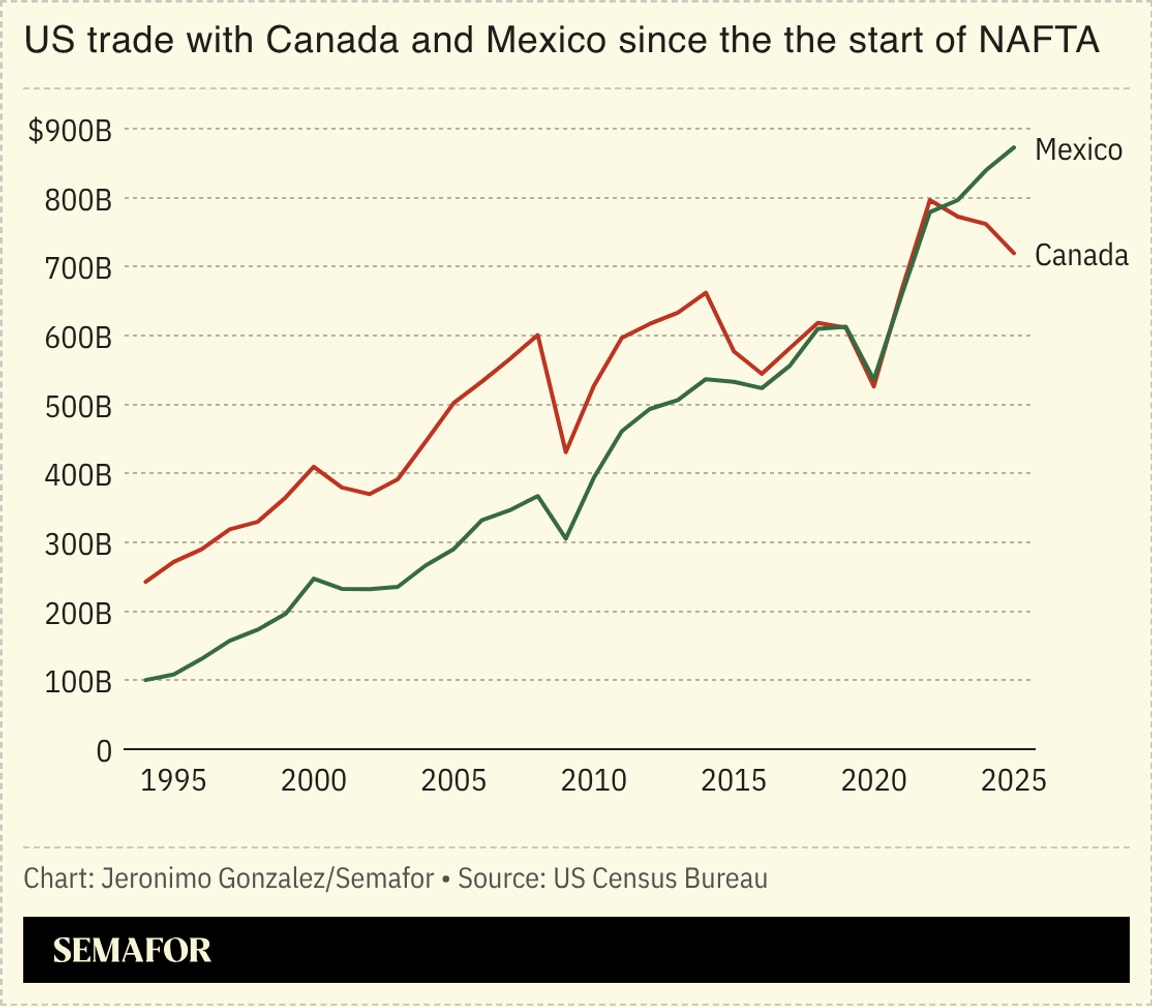 Canada and Mexico are taking differing stances ahead of a renegotiation of the North American trade agreement. Canada’s prime minister has taken a hard line, saying a US liquor import ban could be lifted only if Washington ended tariffs on key Canadian products. Mexico’s economy minister, meanwhile, warned against “nostalgia,” saying negotiations should focus on reducing rather than ending duties, suggesting the country is resigning itself to permanent tariffs with its biggest trading partner. The USMCA trade deal is up for review in July, and there is no sign that US President Donald Trump is interested in easing trade: He said recently that he would add new levies to compensate for those struck down recently by the Supreme Court. |
|
DeepSeek nears US on advanced AI |
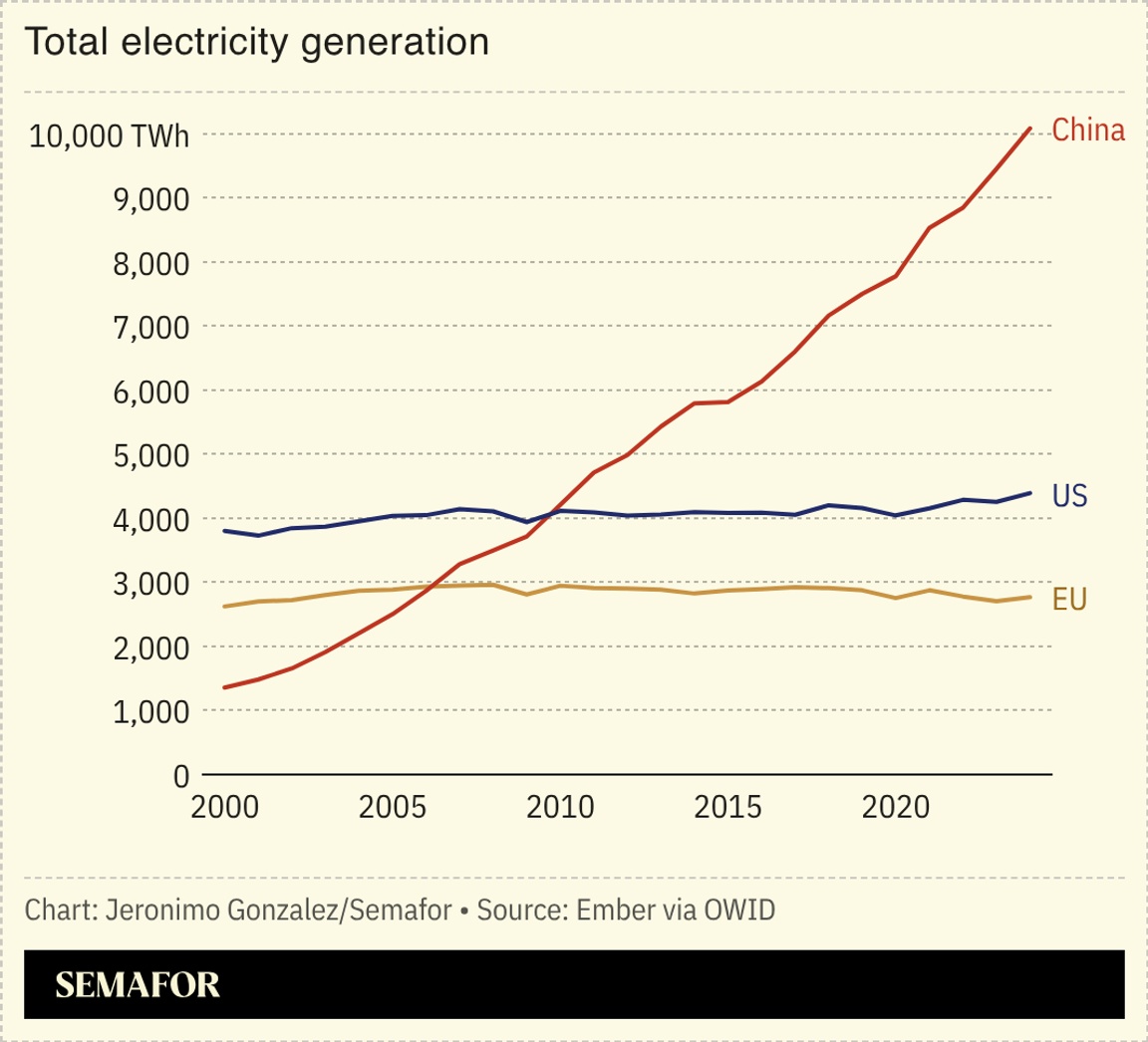 Chinese AI firm DeepSeek released a new open-source model it said would compete with OpenAI’s and Google DeepMind’s advanced products, as China races to catch up to the US on AI. Hangzhou-based DeepSeek took the tech world by storm last year by releasing a model that delivered near industry-leading performance at a fraction of the price, alleging that it made far more efficient use of chips than US champions. Chinese AI developers still lack access to the world’s most advanced chips, but Nvidia CEO Jensen Huang recently suggested the country’s plentiful, cheap energy allows firms to use more low-efficiency chips to reach the same results. |
|
Intel buoyed by data center plans |
|
 Could a more global basketball game be the NBA’s biggest opportunity? On this week’s Mixed Signals, sports media mogul Maverick Carter shares his perspective on what comes next — from scaling SpringHill Company into a global content powerhouse to rethinking how fans engage with sports. Plus, his take on the NBA’s attention economy and his foray into live and digital entertainment. Listen to the latest episode of Mixed Signals now. |
|
US soldier arrested for ‘insider trading’ |
 Adam Gray/File Photo/Reuters Adam Gray/File Photo/ReutersUS authorities arrested a soldier involved in the capture of former Venezuelan President Nicolás Maduro who allegedly bet on the operation’s outcome before it took place, amid growing fears of illicit betting in prediction markets. The special forces soldier is accused of making upwards of $400,000 from betting on the outcome and timing of Operation Absolute Resolve, which the US Department of Justice said was evidence of “clear insider trading.” Experts warn that prediction markets are stoking corruption in the US — hundreds have placed successful bets on key events in the Iran war, The New York Times reported — fueling growing calls for Congress to regulate the marketplaces to prevent officials from profiting from privileged information. |
|
Rare dissent in Russia over web bans |
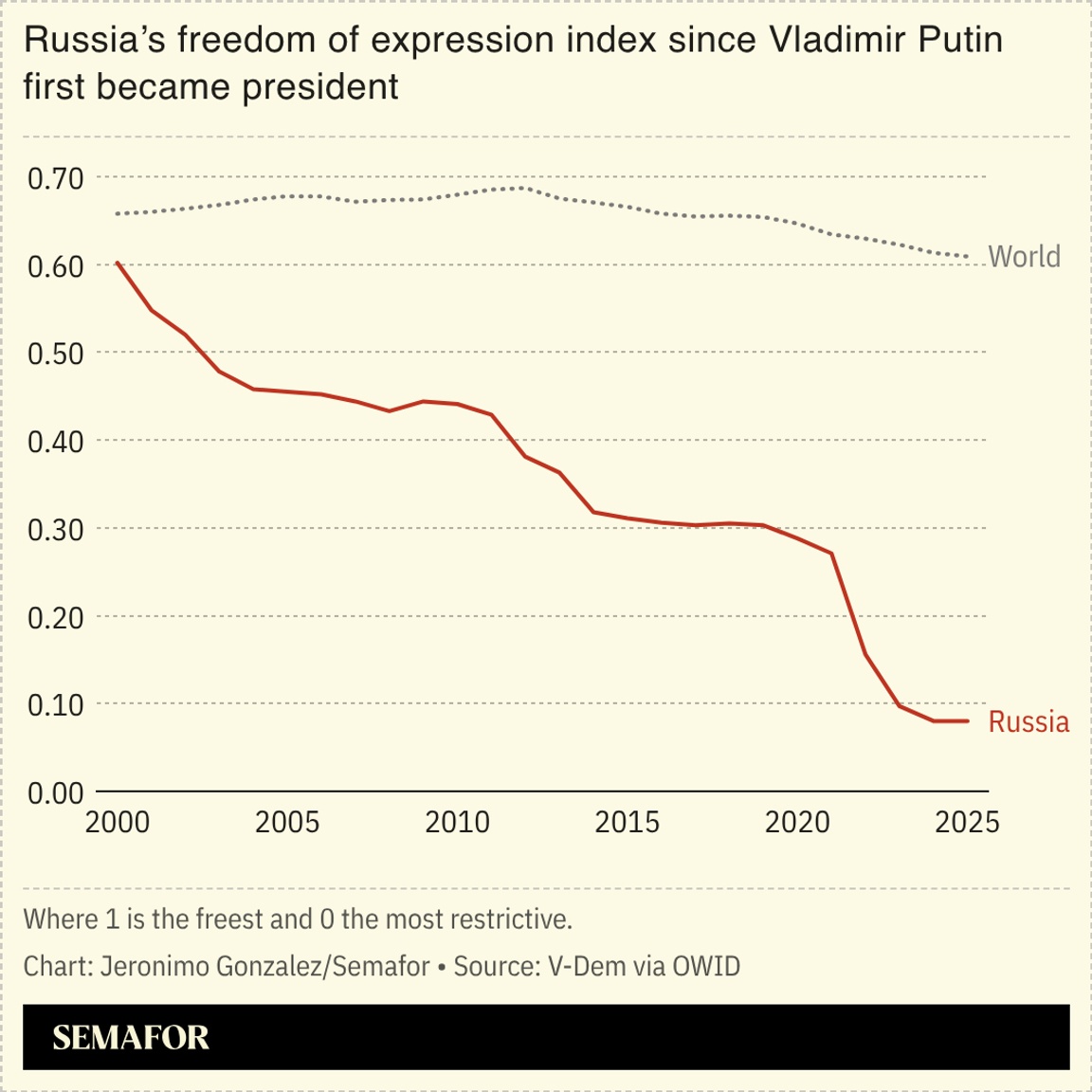 The Kremlin’s tightening of internet restrictions is fueling discontent across Russia, leading to rare signs of domestic dissent. The country was once very free online, remarkable given President Vladimir Putin’s autocratic rule, but more recently access to global messaging apps has been restricted and the internet has been completely shut down at times as Moscow has sought to silence criticism. Some Russians this week risked their freedom by petitioning authorities to lift restrictions. The crackdown is eroding Putin’s popularity: A recent poll showed his approval rating dropping at the fastest rate in years, not only over the internet restrictions, but also over the cooling of the economy and the war with Ukraine. |
|
|