
| Forwarded this email? Subscribe for more |



 |
| By The Free Press |
Welcome back to the Weekend Press! This week, Tanner Nau drinks with America’s first “chief MAHA officer.” Suzy Weiss weighs in on the woman who dumped a friend for going on Wegovy. Judea Pearl remembers living through Israel’s earliest days. And more!
But first: The trouble with celebrating sickness . . .
It’s hard to pinpoint the moment when being ill became cool. But sometime in the mid-2010s, it became normal to scroll past black-and-white pictures with long captions about chronic fatigue or generalized anxiety, and with hashtags like #invisibleillness and #healingjourney. In real life, you’d hear the casual shorthand of “I’m so OCD” and “everyone’s a little bit ADHD.”
In 2019, the investigative journalist Christina Buttons “began encountering stories along a similar theme: women discovering, later in life, that they were autistic.” The internet was full of pieces with titles like “The Invisible Women with Autism” or “What My Adult Autism Diagnosis Finally Explained.”
Throughout her life, she’d struggled socially, become easily overwhelmed, and fidgeted—and when she came across these stories, something clicked into place. She went to the doctor, and got an autism diagnosis.
“Suddenly, every aspect of my life, every little inadequacy or abnormality that had once tormented me, had a medical explanation,” she writes today.
At the time, she was living alone and working remotely, but a couple years later, she became a journalist—and realized that “not only was I competent at socializing, I was good at it, and I improved the more I did it.” She realized having intense interests wasn’t necessarily a symptom. And she began to question the whole idea that she was ill.
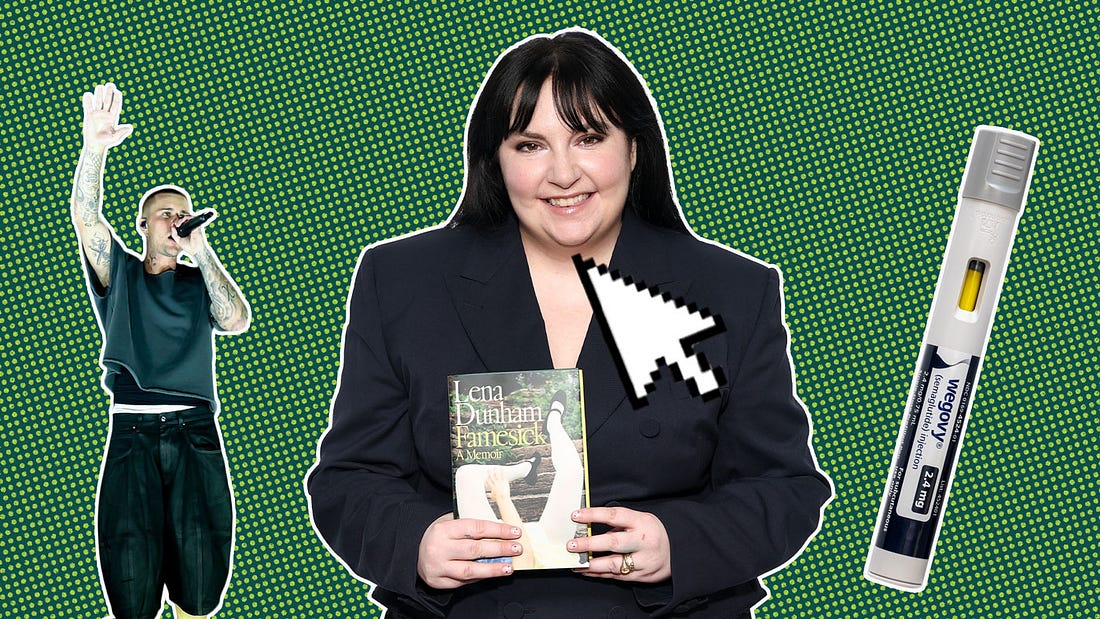
The high priestess of the very online millennial women who turned illness into identity is Lena Dunham, who just released a wildly bestselling memoir, Famesick.
While working on Girls, the show that made her famous, Dunham was at war with her own body, suffering from endometriosis or shingles or impetigo, and struggling with an addiction to the anxiety medicine Klonopin. She documented it all on Instagram, posting nude photos to mark the anniversary of her hysterectomy or announcing she’d been diagnosed with something called Ehlers-Danlos syndrome.
But, writes Kat Rosenfield today, what Dunham’s new book reveals is that real, genuine illness is not aspirational—not a label you should seek—and not in any way romantic. “It made her a person who disappointed people, or clung to them, or betrayed them,” writes Kat. “It made her a person whose boyfriend told her, ‘You are making it hard for me to love you.’ ” Her story is a cautionary tale for anyone who desires a diagnosis. Be careful what you wish for.
 |
 |
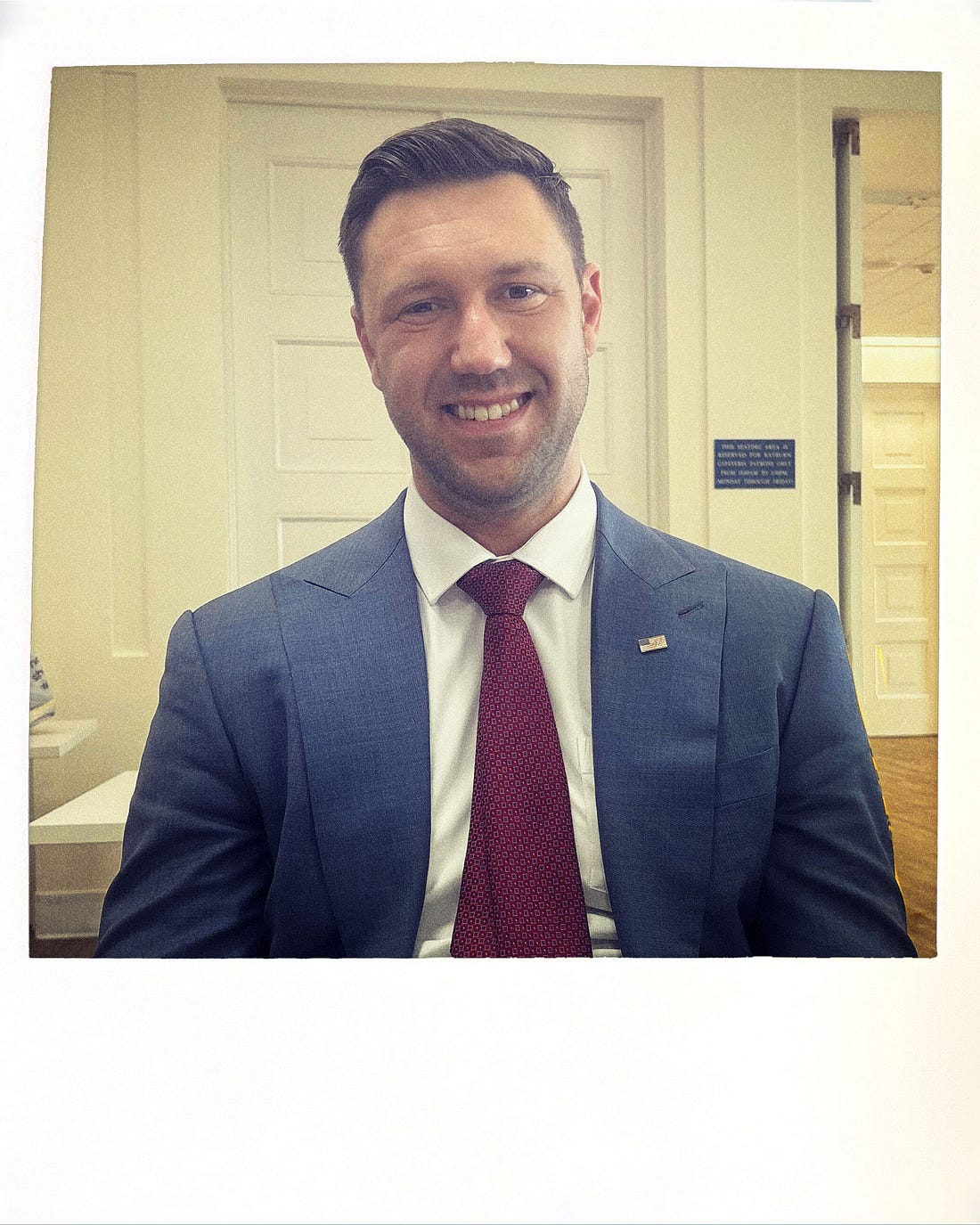
Two Drinks with . . . Steak ‘n Shake’s Chief MAHA Officer | ||||
 | ||||
|
What’s So Bad About Fame? | ||||
 | ||||
|
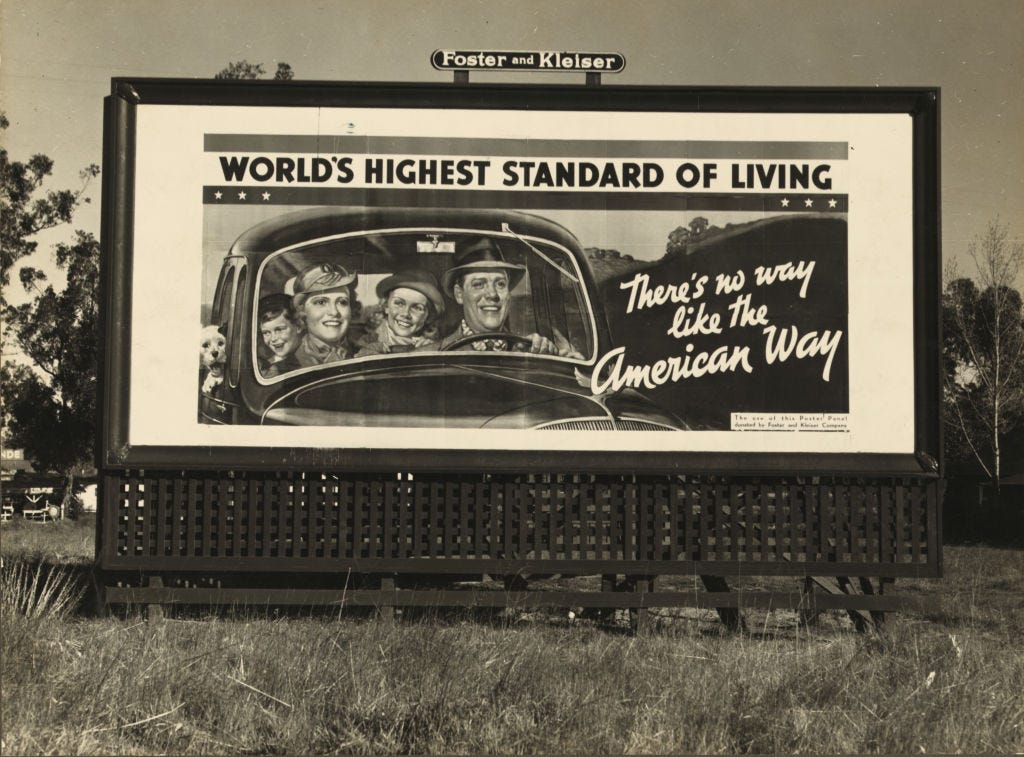
How ‘City on a Hill’ Became ‘America First’ | ||||
 | ||||
|
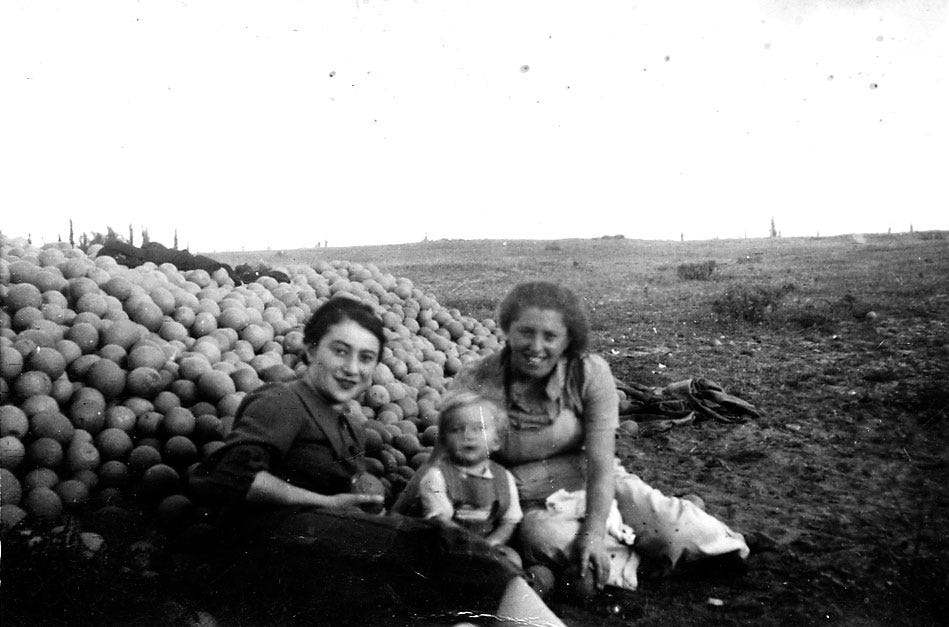
Ancient Wisdom: I Was There when Modern Israel Was Born | ||||
 | ||||
|