|
|
Last week’s email about stevia received a good response and prompted more questions about sweeteners in general. Today, Kirsten Seele returns to explain why many sweeteners contain extra ingredients and why monk fruit is becoming more popular for cooking and baking.
Keep your questions coming, our team of dietitians and coaches loves to share their knowledge here!
|
|
|
|
|
|
|
Blend it up,
Tim Snaith
Newsletter Editor, Healthline
|
 |
|
Written by Tim Snaith
April 28, 2026 • 3 min read |
|
|
|
 |
|
|
| Q: |
Why are other products added to stevia? And is monkfruit a good alternative sweetener? |
|
| A: |
If you read my recent answer about stevia, then you’ll know there are three plant-based sweeteners that the FDA has concluded are Generally Recognized as Safe, or GRAS.
Stevia, we learned, is one popular sweetener. A second, much less common sweetener is thaumatin. This one is up to 3,000 times sweeter than sugar and can leave a licorice aftertaste, which rules it out as a valid option for me, personally. And the third and final one is monk fruit.
Monk fruit is only 250 times as sweet as sucrose and comes from a plant called Siraitia grosvenorii, native to Southern China. While stevia can leave a bitter aftertaste, monk fruit does not. Both options, stevia and monk fruit, are heat-stable and can be used in cooking and baking.
Of course, health and safety are factors to consider, as well. While both are considered GRAS, stevia has received more research. Neither sweetener has any known side effects at this time, as none have been reported or found in research. As mentioned in my last article, stevia has an Acceptable Daily Intake (ADI) of 12 milligrams per kilogram of body weight; however, monk fruit has not yet been assigned an ADI.
At this point, both are considered safe and are acceptable options. However, monk fruit still needs more research, specifically human trials, to verify its effects.
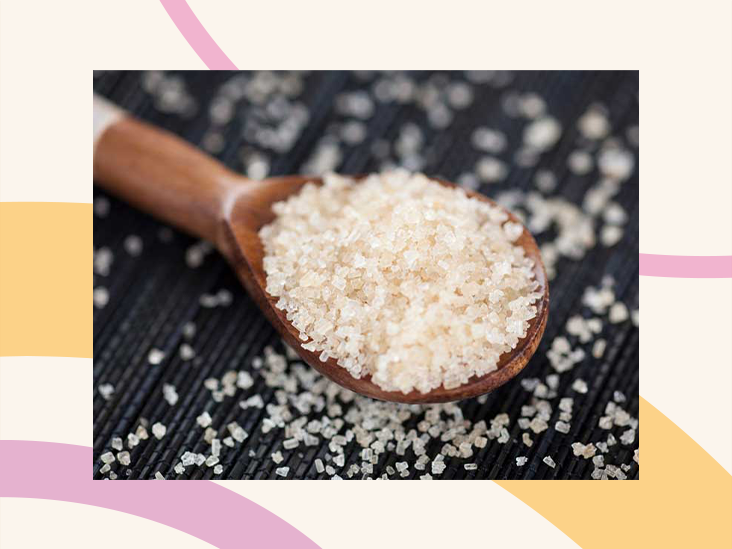
When shopping for these alternatives, you can find them in several forms. You can find them in liquid drop form or powdered form, which looks similar to regular sugar. It depends on the purpose of the sweetener as to which one is best for you.
If you want to sweeten tea or coffee, consider a liquid sweetener. If you’re baking, you should purchase the bagged version.
Buying powdered stevia in a bag may contain something called maltodextrin. This is an FDA-approved food additive made from different starches. It’s likely added to stevia to neutralize its bitterness and serve as a filler to achieve a 1:1 ratio with sugar. Maltodextrin, even in small doses, can affect blood sugar levels.
Another thing to be mindful of is monk fruit with added erythritol, which is a sugar alcohol. The purpose is similar to that of maltodextrin: to adjust the product's sweetness and allow it to maintain a 1:1 ratio with sugar.
If avoiding these two ingredients is important to you, you can find options that don't include them. It is important to read the ingredients list to ensure the only ingredient is either stevia or monk fruit, depending on which you choose.
|
|
|
|
| Kirsten Seele, Registered Dietitian |
|
| Want to learn more about food, diets, cooking, or some other nutrition subject? Let us know at nutritionedition@healthline.com and we’ll look into it for you! (Heads up, we may use your response in an upcoming newsletter.)
|
 RECIPE PICKWarm Fruit Salad with Almond and ChocolateA sweet and satisfying dessert option that is packed with vitamins.GET THE RECIPE → |
|
|
 |
|
|
| Starving Yourself Doesn’t Work for Weight Loss |
| Registered dietitian Val Goldberg explains why drastically cutting calories can be counterproductive for fat loss and may even lead to disordered eating behaviors. |
|
|
|
|
|
| What we’re digesting |
| |


