Lumina Foundation is working to increase the share of adults in the U.S. labor force with college degrees or other credentials of value leading to economic prosperity.
Jodi Kantor, a journalist best known for her reporting on Harvey Weinstein for The New York Times, has been thinking a lot lately about the next generation. What will a fulfilling career look like a decade from now? How worried should college graduates be about artificial intelligence gobbling up entry-level jobs? And how can employers, including universities, do a better job of stopping workplace harassment, which can derail careers before they even start?
Kantor doesn’t have all the answers, but she’s using her platform to start a more focused conversation about the future of work for college-educated people.
Every fall, millions of American parents and caregivers make extraordinary sacrifices to send a child to college. They work overtime, postpone retirement, take on debt, or set aside other priorities because they believe higher education can create opportunities they never had.
Students make sacrifices, too. Many work nights and weekends, juggle family responsibilities, or borrow against their future because they believe a college degree is worth it. Those sacrifices deserve accountability. And it’s time for colleges to provide it, says this college president.
Last month, the U.S. Department of Education released plans to reform accreditation for public comment. If finalized, the new rules could expand accreditors’ responsibilities to include policing First Amendment compliance and research misconduct. They could also force many agencies to set more specific standards for student achievement and hiring and to rethink their decades-old peer-review model.
In this interview, Maria Toyoda, president and CEO of the WASC Senior College and University Commission, talks about the details of the department’s proposal, how WASC is preparing for the changes, and what the new rules signal for the relationship between the federal government, states, and accreditors.
For some college students, covering basic needs means taking on debt. Some put expenses such as food, housing, and transportation on credit cards, and many carry unpaid balances as they manage the costs of college. New research from Trellis Strategies suggests that financial strain can follow students into the classroom, making it more difficult to focus on their studies.
Bryan Ashton, managing director at Trellis Strategies and co-author of the report, says the findings highlight the financial pressures students can face as the cost of living rises while their options for borrowing to cover expenses outside of tuition remain limited.
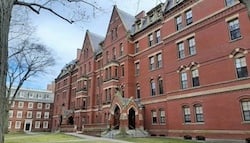
Faculty in the humanities and social sciences at Harvard College are blasting a suggestion from the dean of the Ivy League school to embrace artificial intelligence in writing-intensive courses instead of wasting time trying to catch students using the tool to cheat, the Harvard Crimson reports. Some faculty members wasted no time sharing their worries about how AI could undermine learning by discouraging students from coming up with their own thoughts.
The debate at Harvard is just a small part of a larger and ongoing debate about what stance colleges and universities should take regarding the use of technology for coursework and exams.
Colleges are increasingly cutting prices, notably through tuition resets, to attract students in a competitive landscape. This strategy involves directly lowering sticker prices, moving away from reliance on complex financial aid discounts. Recent examples include the University of Tulsa reducing tuition by over half to $25,000, Concordia University cutting its price by 20 percent to $21,700, and Coe College slashing tuition by 45 percent to $31,850. Ripon College now matches UW-Madison's in-state tuition for all national applicants.
These transparent pricing efforts aim to combat perceptions of unaffordability and boost applications amid growing enrollment pressures.



.jpg?width=500&upscale=true&name=istockphoto-2266912913-612x612%20(2).jpg)
.jpg?width=500&upscale=true&name=istockphoto-1496870453-612x612%20(1).jpg)