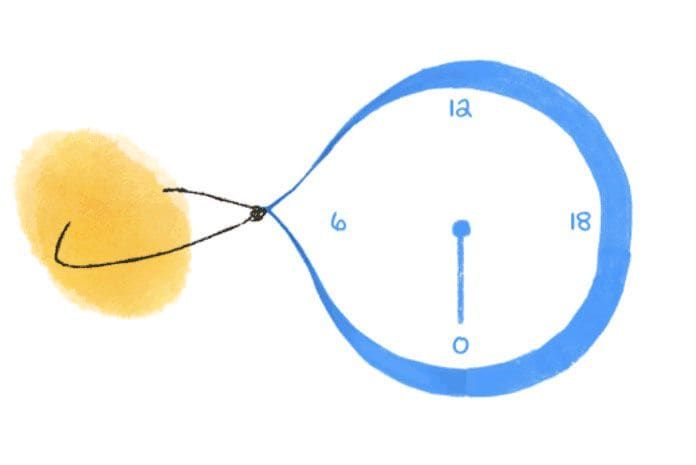
| Forty-eight states and the District of Columbia will reset their clocks Sunday and spring forward into daylight saving time, giving us an extra hour of sunlight in the evenings but eliminating an hour of early-morning sun. Morning sun is key to maintaining our circadian rhythms, sleep-wake cycles and overall health, experts say. Phyllis Zee, a neurologist and the chief of sleep medicine at Northwestern University’s Feinberg School of Medicine, said that, without that sunlight, we can slip into circadian misalignment — “when your internal body clocks fall out of sync with that of the sun clock and your social clocks.” How is it that one hour can have such a significant impact? Scroll through this animation to learn more about how your brain and health are affected by time changes. | 






_tstmp_1772470528-560-0.png)