Japan’s pet penthouses, telling Ukraine’s stories and the Puput stool by Studio Jaia.
|
Monday 9/3/26
|

|
|
London
Paris
Zürich
Milan
Bangkok
Tokyo
Toronto
|
|
|
|

Good morning. Today our editors are running the final checks on pages for our April style issue. Some of the team (Andrew Tuck included) have packed their bags for Mipim, one of the world’s leading real estate trade shows, in Cannes. Here’s today’s rundown:
THE OPINION: The festival that gave Austin its soft-power edge
FROM MONOCLE.COM: Keeping Ukrainian stories alive through literature
DAILY TREAT: Perch on a Puput stool by Studio Jaia
IN PRINT: Take a tour of Japan’s pet penthouses
|
|
How South by Southwest became Austin’s soft-power showpiece
By Colin Nagy
|
There is a moment every March when Austin stops being a mid-sized Texan city and becomes, briefly, a kind of secular Davos with better music. South by Southwest (SXSW to everyone who has ever worn the lanyard) has been running since 1987, several years before the term “soft power” entered the civic vocabulary. But that is precisely what the festival has become: the most effective urban-branding exercise in American life and one that most cities would spend decades and considerable public funds trying to replicate.
The mechanism is elegant in its simplicity. Rather than sending delegations abroad, Austin simply opens the door. For 10 days the city hosts a rotating cast of technologists, filmmakers, indie musicians, investors, journalists, policy thinkers and the kind of ambitious young professionals who will be running things in 15 years’ time. They eat tacos with handmade flour tortillas at Veracruz All Natural. They walk Sixth Street and grab freshly shucked shellfish at Clark’s Oyster Bar. They overhear conversations over a cold Topo Chico mineral water on the patio at the Hotel San José – conversations that recalibrate their understanding of what American creative culture looks like. Then they carry Austin home with them.
| |
|
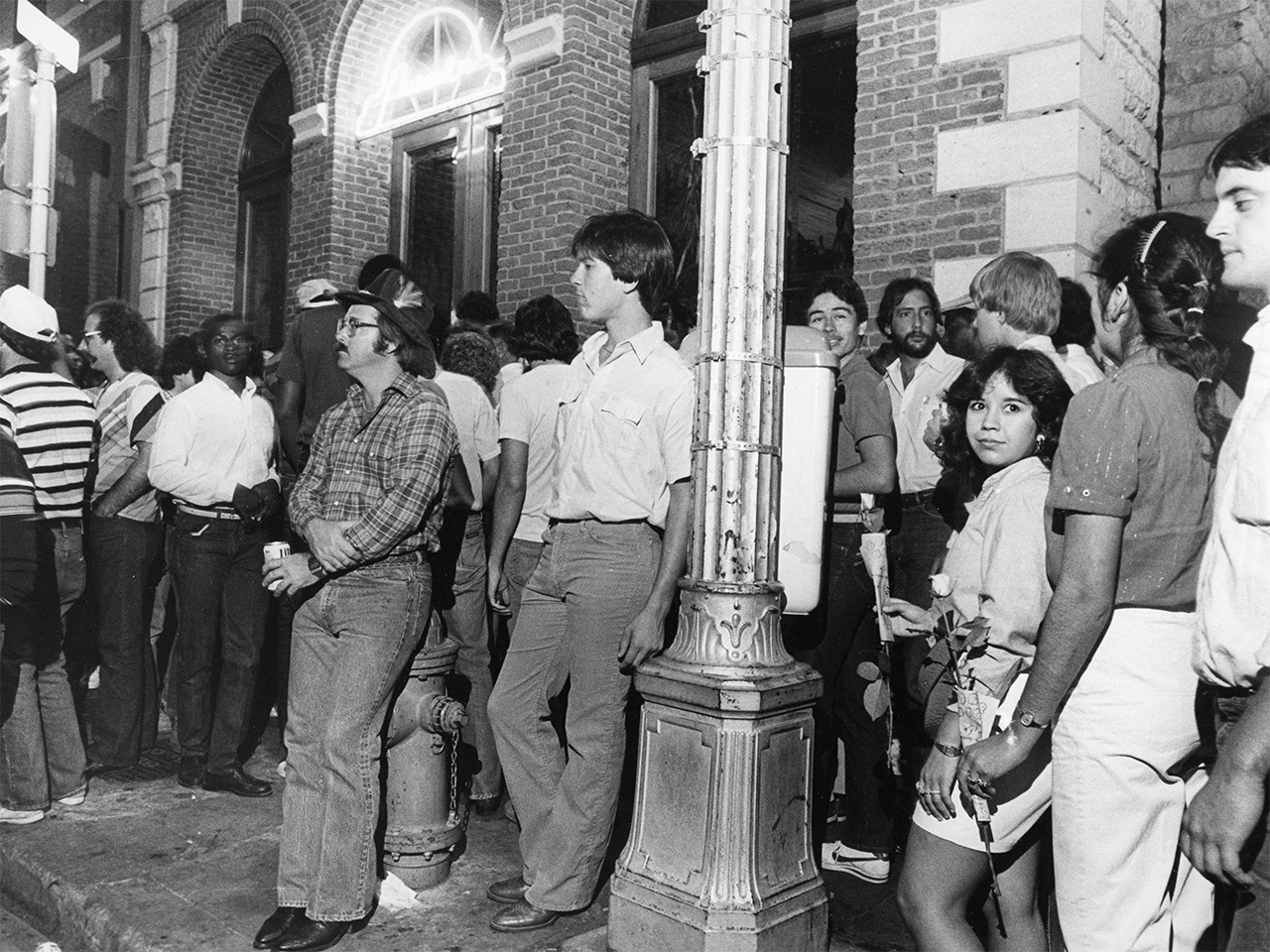
Finding its feet: Austin’s Sixth Street in the 1980s
|
|
This is how soft power actually works. Not through text-heavy press releases or sunny, slogan driven tourism campaigns but through lived experience at a moment of professional excitement. A founder from Seoul who closes a deal at SXSW does not remember the vast convention centre, she remembers the atmosphere of the city. A policy director from Brussels who catches a set at Stubb’s Bar-B-Q does not file that under “conference”. He files it under “Austin”. The city becomes inseparable from the possibility of the encounter.
What is underappreciated is how intentional this has become. The City of Austin, alongside a network of local stakeholders, has grown increasingly sophisticated about leveraging the festival’s gravity. International delegations now arrive with structured agendas. Trade missions from Sweden, South Korea and the Netherlands use SXSW as a backchannel for economic diplomacy that would otherwise require formal frameworks and months of scheduling. The warm and unstructured joy of the festival provides the social lubricant that official meetings rarely can. Add a few cans of the local Shiner Bock beer and you’re off to the races.
There is also something specific about Texas in this equation. Austin’s brand benefits from a productive tension: the state’s reputation for stubborn independence and vast scale makes international visitors curious; while the city’s “blue dot in a red state” progressive creative culture makes them comfortable. That combination – big and bold but unexpectedly cosmopolitan – does not exist in the same form in San Francisco or New York, where the global is simply expected. In Austin it still feels like discovery for the person that arrives from Antwerp.
The festival has not been without its complications. The scaling of SXSW over the past decade has introduced the familiar tensions of success: corporate saturation, accessibility concerns, cost of lodging, traffic. Plus the creeping sense that the programming has perhaps become safer as the stakes have grown higher. Critics are not wrong to notice but these are the growing pains of relevance, not necessarily a sign of decline.
What no one can dispute is the cumulative effect. Austin has been in the conscious mind of the global creative and technology class for nearly four decades now – a run that most cities, and most nations, would envy. SXSW did not make Austin; Austin had its own wild, internal creative momentum. But the festival focused that momentum into something coherent and repeatable, year after year, a standing invitation that the world has consistently accepted.
In an era when urban competition for talent, investment and influence has never been more intense, the question for other cities is not how to host their own festival. It is whether they have the patience to build something that takes 37 years to fully become what it always was capable of being. Austin did and that – as much as the barbecue, straw hats and Landman-style cowboy shirts – is worth understanding.
SXSW runs from 12 to 18 March. Colin Nagy is a Los Angeles-based journalist and Monocle contributor.
Further reading?
– How big-sky thinking is spurring a ranch revival out West
– The bold redesign that put Austin’s Blanton Museum on the global map
– The great American road trip is back – but this time it’s on rails
|
|
Writer Kate Tsurkan on keeping Ukrainian literature alive at war
There are stories that never get told in times of war (writes Mariella Bevan). But there are also stories that find a voice but lack an audience. This is true in Ukraine, where narratives about the country don’t always find a readership. Since Russia launched its full-scale invasion in February 2022, many of the nation’s authors have joined the armed forces or have begun working as journalists on the front line, sharing distinctly Ukrainian stories.
| |
|
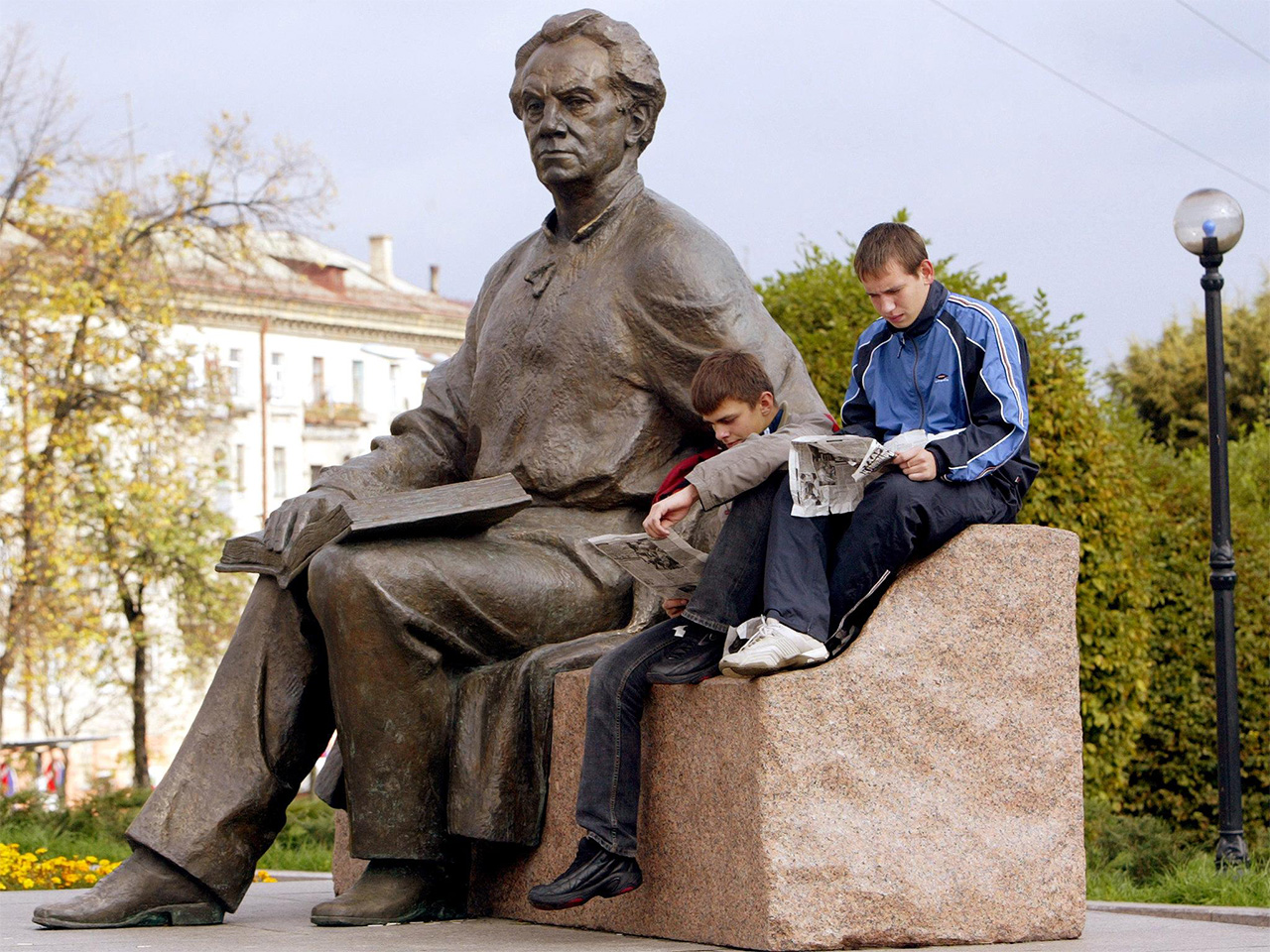
Turning the page: Young men read newspapers on the monument for poet Maksim Rylskiy in Kyiv
|
|
“You get insight into [the] Ukrainian mentality”, says Kate Tsurkan, a reporter at The Kyiv Independent, who writes about the country’s culture and history. In addition to her journalistic work, Tsurkan is a translator who has brought numerous books and essays to Western publications and international audiences. Much of Tsurkan’s oeuvre has centred on spotlighting the nation’s literary scene.
Tsurkan joined Monocle’s Georgina Godwin to explain how literature reveals her country’s past and present, why culture still matters in wartime and three book recommendations that reveal the spirit of Ukraine’s people. Read the conversation here.
|
|
• • • • • DAILY TREAT • • • • •
Perch on a Puput stool by Studio Jaia
Anna Lena Kortmann grew up in Cairo and studied in Mainz, Melbourne and Paris, before becoming an interior architecture and exhibition designer in Los Angeles and Berlin. But she was after something – and somewhere – else. She knew Mallorca from holiday visits and started spending time on the island, initially working remotely on architecture projects but perhaps looking for a reason to put down roots and use her hands again.
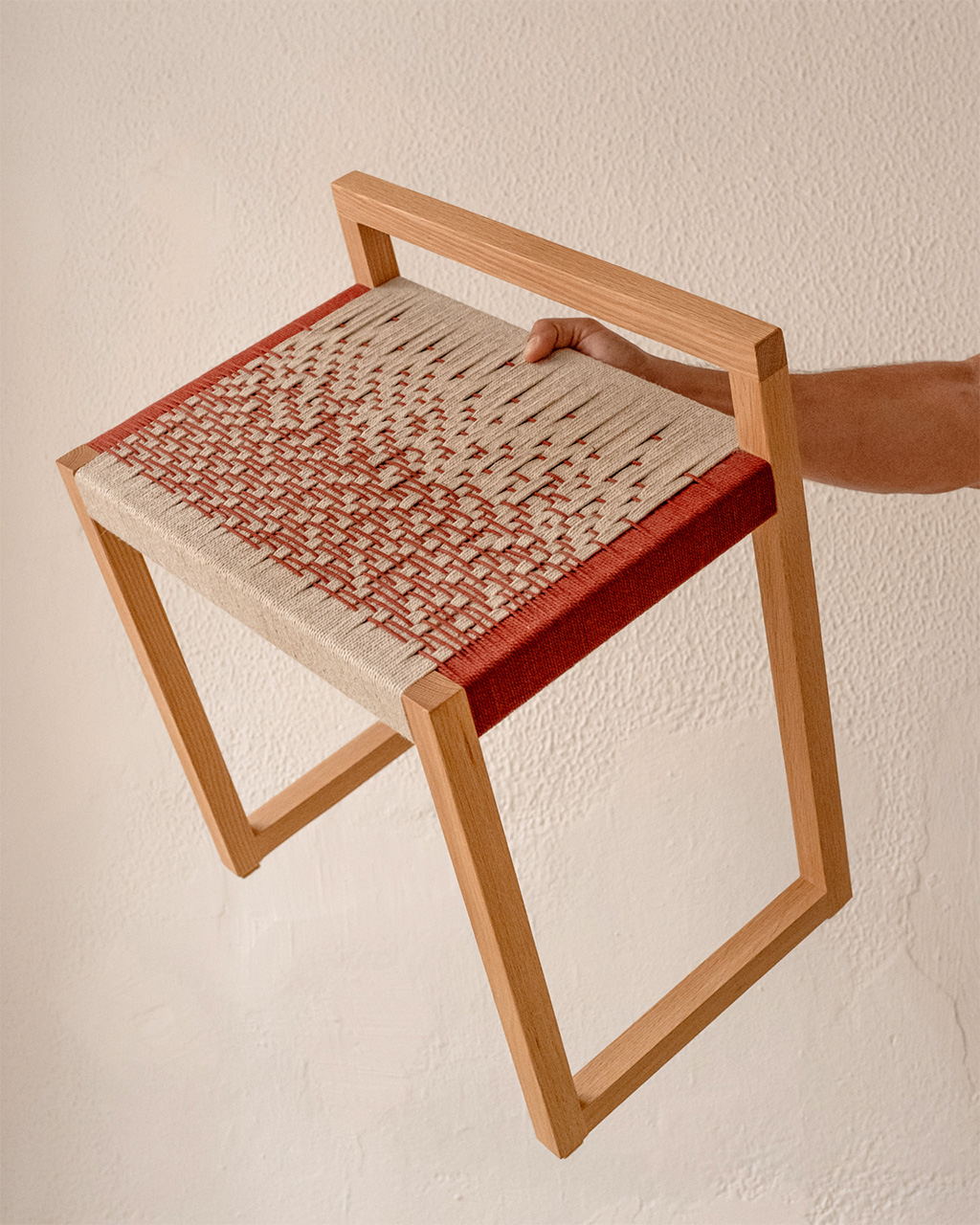
“I missed the creation part and working with materials. Here in Mallorca I discovered these traditional chairs with beautiful weaving,” says Kortmann. “I found someone who taught me how to do the weaving. It was not a business idea to start with but it became one.” Today she works with a carpenter who makes the frames for the furniture, while she and her team focus on the weaving. Her Puput stools, recently acquired by the Design Museum of Barcelona for its permanent collection, are a great addition to a living room. The Puput’s oiled oak frame sports a range of cotton cord seats. Our pick is the terracotta-like armorel colourway.
studiojaia.com
|
|
|
Sponsored by Hitachi Energy
|
|
|
|
|
|
in print: japan
Penthouses for poodles: The rise of Japan’s hi-tech, pet-first homes
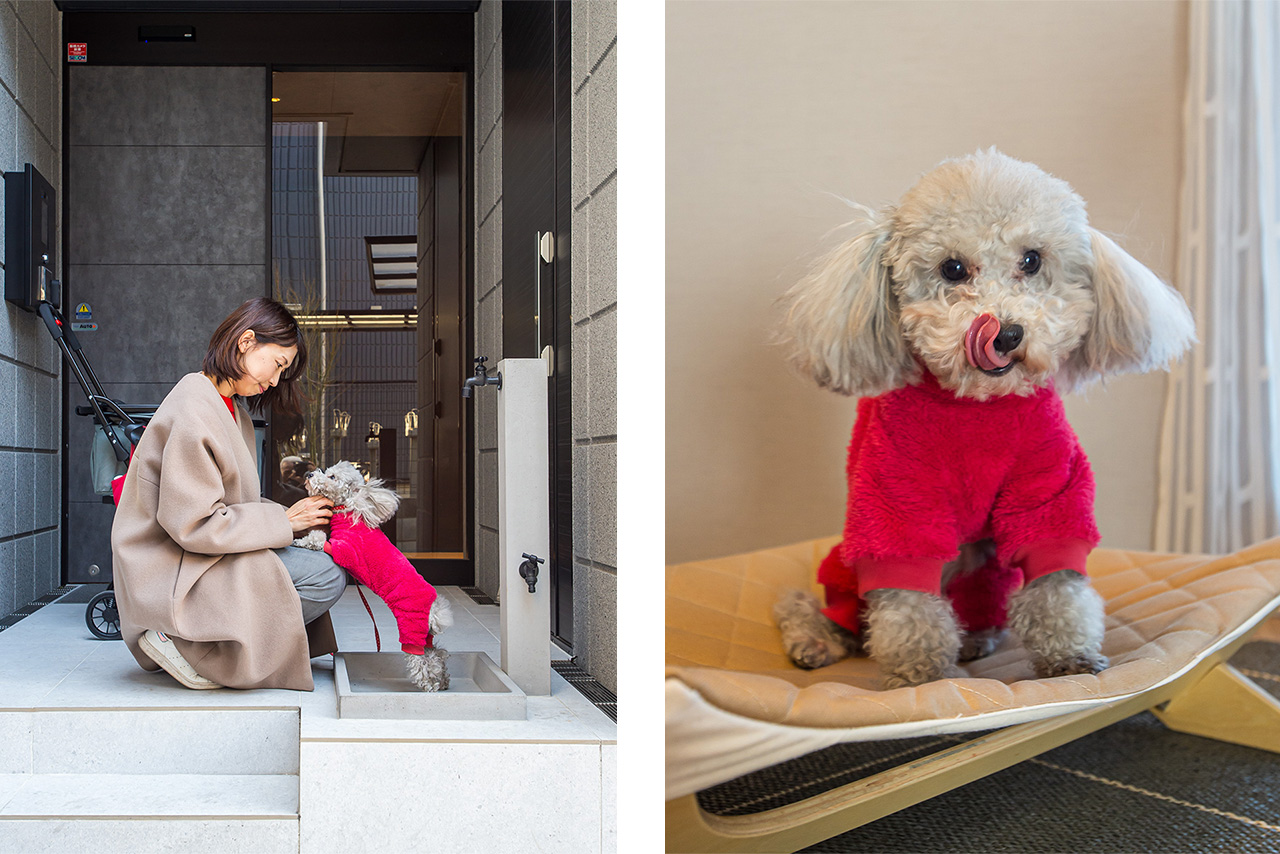
Lamb, a two-year-old toy poodle, is kicking back at a well-appointed apartment in the Ikegami neighbourhood of south Tokyo (writes Fiona Wilson). She has the run of the place, including her own area with a bed, toys and a built-in deodorising system to keep the air fragrant. There’s a niche for her buggy at the door and a pet-washing station at the entrance to clean her paws after a run in the park.
| |
|
In the doghouse: A furry friend enjoying the high life
|
|
All 15 apartments in this new development are designed for pet owners and their animals. Dog trainers can be booked for house calls, every unit has non-slip wooden flooring and cat walkways have been installed along the windows. An animal hospital, park and pet salons are all within walking distance.
Sensing an opportunity in the rise in animal ownership, canny developers are creating fetching homes designed with your furry friends in mind. Take a look around.
|
|
| | |
 MONOCLE