A newsletter by Reuters and Westlaw |
|
|
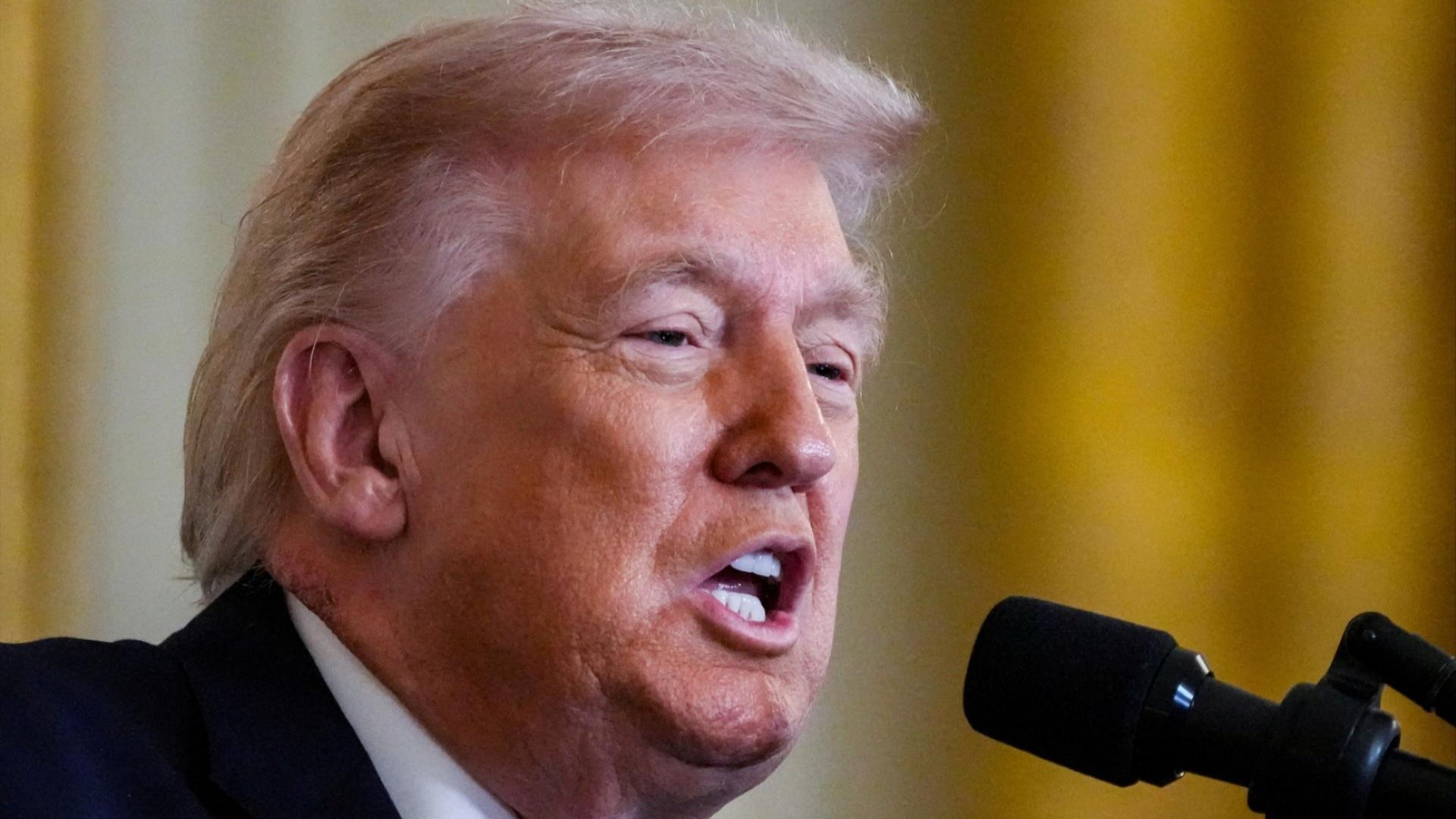
The Trump administration has paired sharp public attacks on the judiciary with a sweeping legal strategy aimed at curbing judges’ power. Here’s what to know: |
- The administration has filed an unprecedented wave of emergency U.S. Supreme Court requests since February 2025, 97% of them arguing judges improperly interfered with presidential authority.
- By contrast, in four years, just 26% of the Biden administration’s emergency requests suggested judicial interference with presidential authority.
-
In these filings, Trump’s lawyers increasingly challenge judges’ jurisdiction and their ability to block executive actions, framing judicial review itself as an overreach.
-
The Supreme Court’s conservative majority has largely sided with Trump in fast‑tracked cases, allowing major policy moves while offering little explanation for its rulings.
- Legal experts warn the strategy reflects a bid for expanded unilateral presidential power, risking erosion of checks and balances as the administration portrays judicial limits as “power grabs.”
-
Andrew Chung has more analysis here.
|
|
|
Court calendars are subject to last-minute docket changes. |
|
|
"Companies have to decide: Do you want to have a good relationship with your shareholders, or do you want to pay your corporate attorneys millions?" |
|
|
That’s how many books a group of publishers alleged prominent “shadow library” Anna’s Archive has pirated and provided to companies for AI training. The publishers, including Hachette, Penguin Random House, HarperCollins, Macmillan and Simon and Schuster, filed a lawsuit Friday seeking to shut down the shadow library. Read the complaint.
|
|
|
-
Tariffs: The U.S. customs agency is readying a system within 45 days to process refunds on President Trump’s tariffs that were struck down as illegal, a customs official said in a court filing on Friday. In a subsequent filing, U.S. Court of International Trade Judge Richard Eaton said he was amending a March 5 order to no longer require "immediate compliance," and appeared to be giving CBP time to carry out the new system.
|
|
|
|