| | Oil prices retreat from their recent highs, Asia feels the energy crunch, and Anthropic sues the Pen͏ ͏ ͏ ͏ ͏ ͏ |
| |  Shanghai Shanghai | Dhaka |  Bandar Abbas Bandar Abbas |
 | Flagship |  |
| |
|
The World Today | 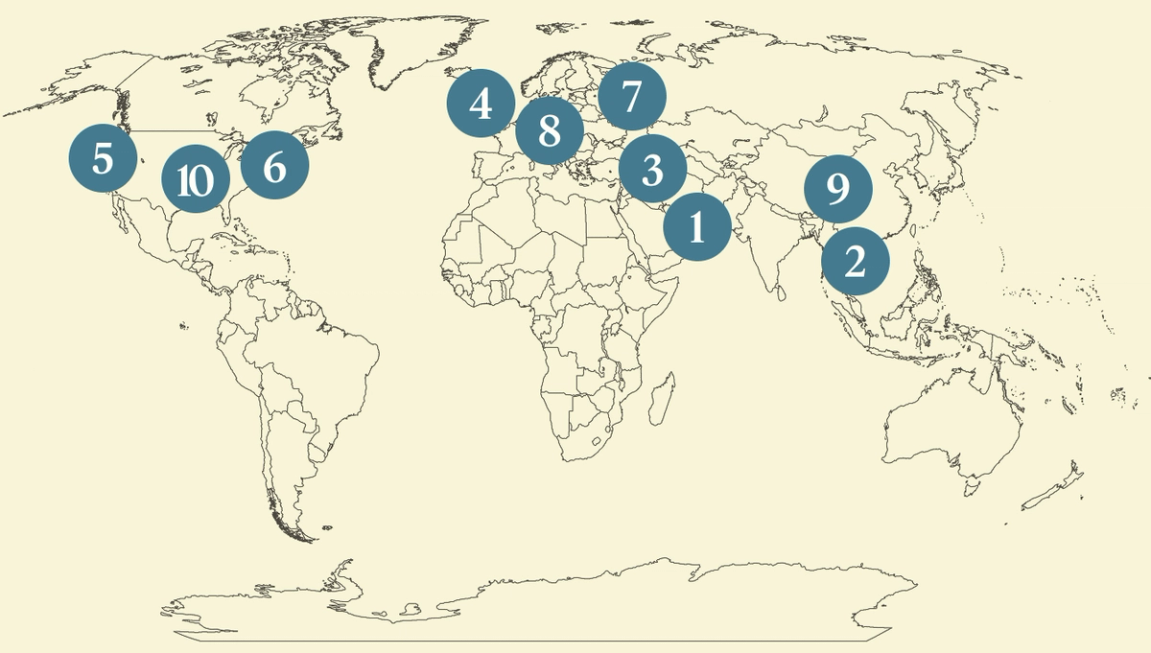 - Oil prices fall below $100
- Asia feels energy crunch
- Conflict’s stagflation concerns
- Geoeconomic fallout of war
- Anthropic sues Pentagon
- Live Nation-DOJ settlement
- CCTV use in warfare
- Chinese robots in Europe
- Fake meat trend in China
- GLP-1s for drug addiction
 The last words of a Scottish icon. |
|
Oil dips as Trump says war ‘complete’ |
|
Asia feels pain of Iran energy shock |
 Ann Wang/Reuters Ann Wang/ReutersAsian nations are feeling the crunch of the Iran war’s energy shock. Government employees in the Philippines are working four days a week to reduce energy usage in the face of rising oil prices, while South Korea and Thailand said they will cap fuel prices. Bangladesh shuttered universities starting Monday to conserve energy. The region is especially vulnerable because it receives much of the oil that typically passes through the Strait of Hormuz, which is now effectively closed. “A part of the world that has for decades powered global economic growth looks perilously close to running on empty,” The Economist wrote. China, however, is seen as well-insulated, given its significant oil stockpiles. |
|
Stagflation fears take hold |
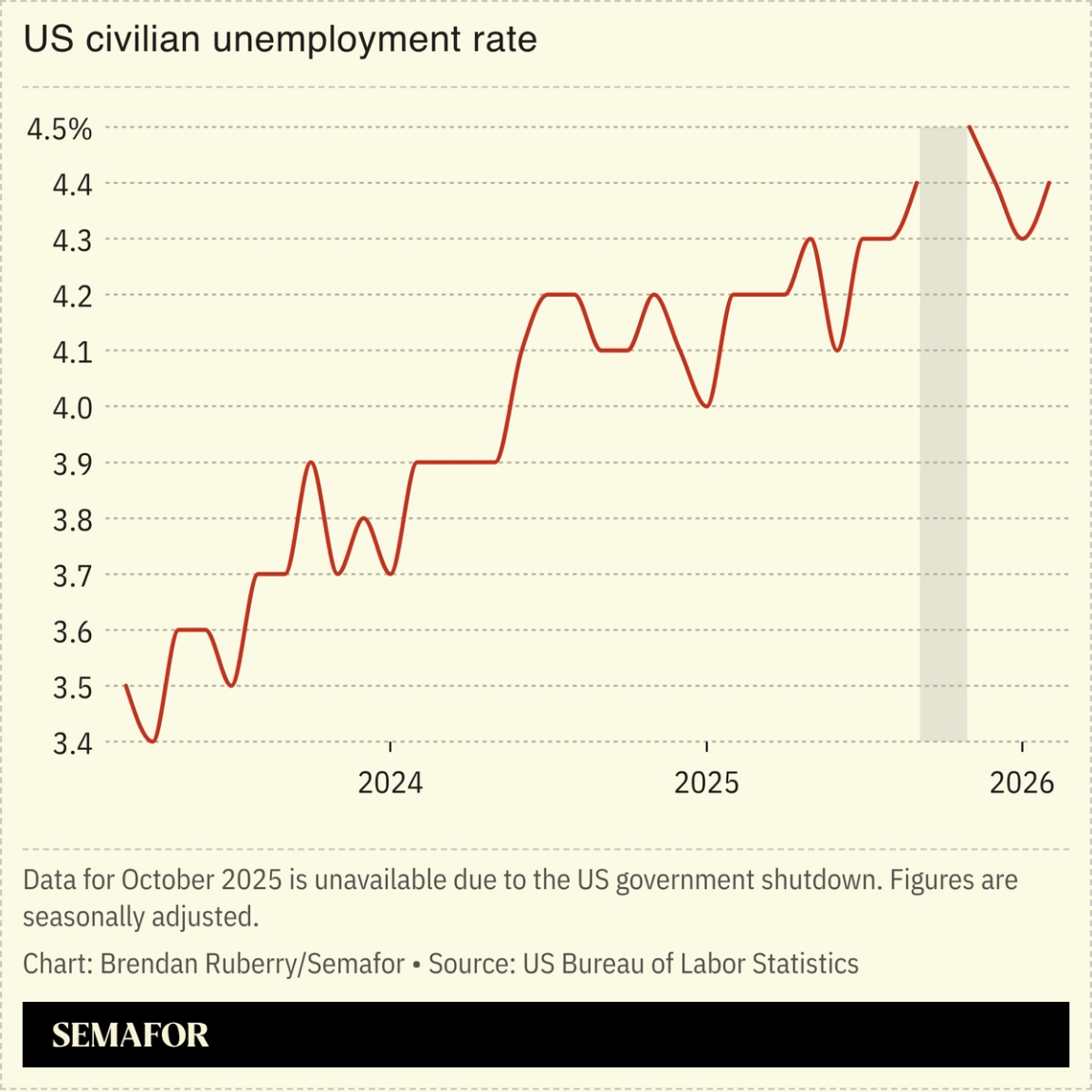 The Iran war is reviving fears of stagflation — high inflation coupled with sluggish growth — for the global economy. Investors “have had to increase their probability of the worst-case scenario,” a portfolio manager said, as rising oil prices trigger an energy shock and risk blunting growth momentum. The concerns caused government bond yields globally to soar. The conflict poses a challenge for central banks, which could risk fueling inflation by cutting interest rates, but risk dampening growth by doing nothing. Traders now see the US Federal Reserve trimming the cost of borrowing only once or twice this year, with the first cut not happening until September. |
|
Lasting geoeconomic impacts of war |
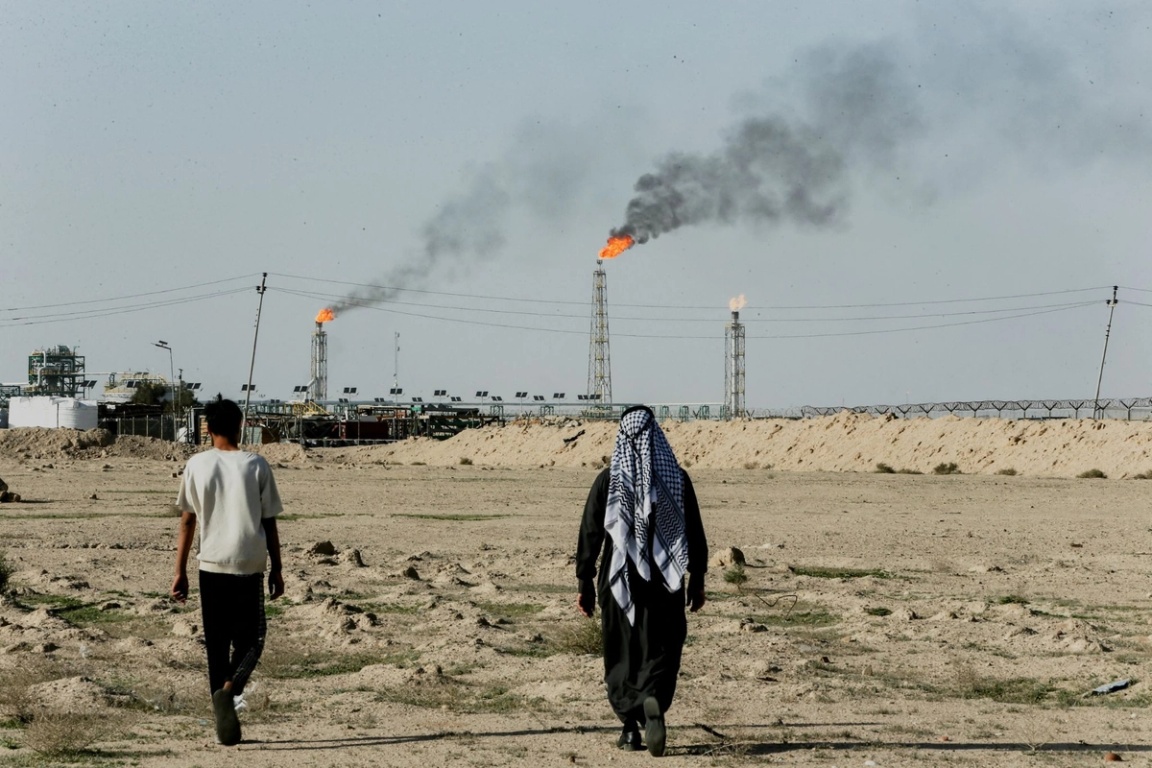 Essam al-Sudani/Reuters Essam al-Sudani/ReutersRegardless of Monday’s oil price retreat, the war in the Middle East will have lasting impacts on markets and global economics, analysts said. The conflict threatens to ripple through global bond markets, which in turn can have political ramifications, the Financial Times’ global business columnist argued: “This war and this market story will be with us for some time.” Wall Street’s relatively muted reaction so far may be rooted in the long-standing notion of “US exceptionalism,” but the crisis will test that optimism, a financial journalist argued. The disruption, a Kpler analyst said, could “reshape global oil flows and test the resilience of the international energy system in ways not seen for decades.” |
|
Anthropic sues the Pentagon |
 Jason Reed/Reuters Jason Reed/ReutersAnthropic sued the US Department of Defense on Monday after the Pentagon labeled the AI startup a national security threat over disagreements on the technology’s use in warfare. The action marks the latest chapter in the feud between the Trump administration and the Claude maker that stemmed from political differences last year, Semafor’s Reed Albergotti reported. The Pentagon has now classified Anthropic as a supply chain risk, a label normally wielded against Chinese and Russian firms. Legal experts say Anthropic has a strong case, The Information noted, partly because the security laws are meant to prevent outside sabotage and spying, which the company isn’t accused of. Despite the dustup, Claude played a central role in the US military campaign against Iran. |
|
Live Nation settles with US DOJ |
 Jennifer Gauthier/Reuters Jennifer Gauthier/ReutersUS ticketing giant Live Nation reached a tentative settlement with the Department of Justice on Monday to avoid a breakup with its controversial platform Ticketmaster. The outcome, which had already prompted the ouster of the US’ top antitrust enforcer, outraged dozens of states attorneys general and venue operators. The federal judge overseeing the case also appeared to be blindsided by the settlement. Americans’ leisure spending on outings like concerts has been strong post-pandemic — Live Nation’s latest earnings got a boost from bigger and more international shows; analysts expect the company can easily make up the $200 million in damages it owes under the settlement. |
|
 Semafor Washington, DC is expanding to twice a day, with an afternoon edition of the must-read email briefing. This new edition harnesses the expertise and intelligence of our extremely well-sourced Semafor Washington, DC team, now strengthened by new congressional reporter Nicholas Wu. Delivered to inboxes every weekday around 4:30 p.m. ET, the afternoon edition delivers a sharp snapshot of the day’s developments driving Washington and a clear-eyed preview of the narrative shaping the next 12 hours. Sign up for the twice-daily briefing here. |
|
Growing use of CCTV in warfare |
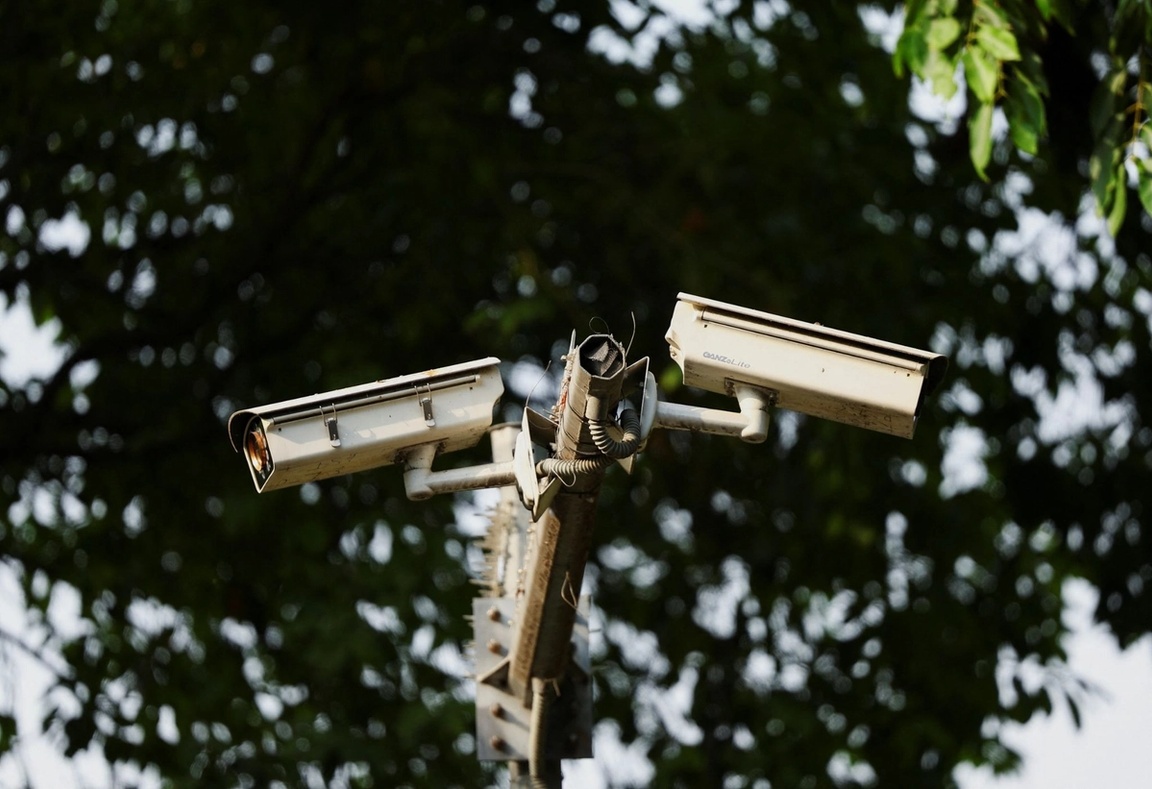 Anushree Fadnavis/Reuters Anushree Fadnavis/ReutersThe rise of CCTV has created a powerful tool for military intelligence. New research described hundreds of hacking attempts on security cameras around the Middle East, often coinciding with Iranian missile or drone strikes. The efforts suggest Tehran is using the cameras to find targets or assess post-strike damage. Israel itself reportedly hacked Iranian traffic cameras to aid the attack that killed former Ayatollah Ali Khamenei, while both Ukraine and Russia have compromised the other’s civilian cameras to spy on troop movements. Consumer-grade CCTV’s security is usually weak, and exploiting its vulnerabilities is not “complicated or sophisticated,” an analyst told Ars Technica, but it gives intelligence agencies “another powerful set of eyes on the ground.” |
|
China robot firms eye Europe |
 Andres Martinez Casares/Pool via Reuters Andres Martinez Casares/Pool via ReutersChinese humanoid firms are slowly pushing into Europe. Leading startups Unitree Robotics, Agibot, and Magiclab held showcases at the Mobile World Congress in Barcelona last week; Agibot launched in Milan in January and is hiring across Europe. The global market for humanoids is still in its infancy — the entire industry shipped less than 15,000 bots last year, and many of the orders are used for testing and development. But Chinese firms are eager to get a foothold in Europe before American competitors. China has a production advantage thanks to its strong manufacturing base and government support, but the US is “very, very strong when it comes to the technical side of things,” a tech consultant told Rest of World. |
|
China demand for fake meat rises |
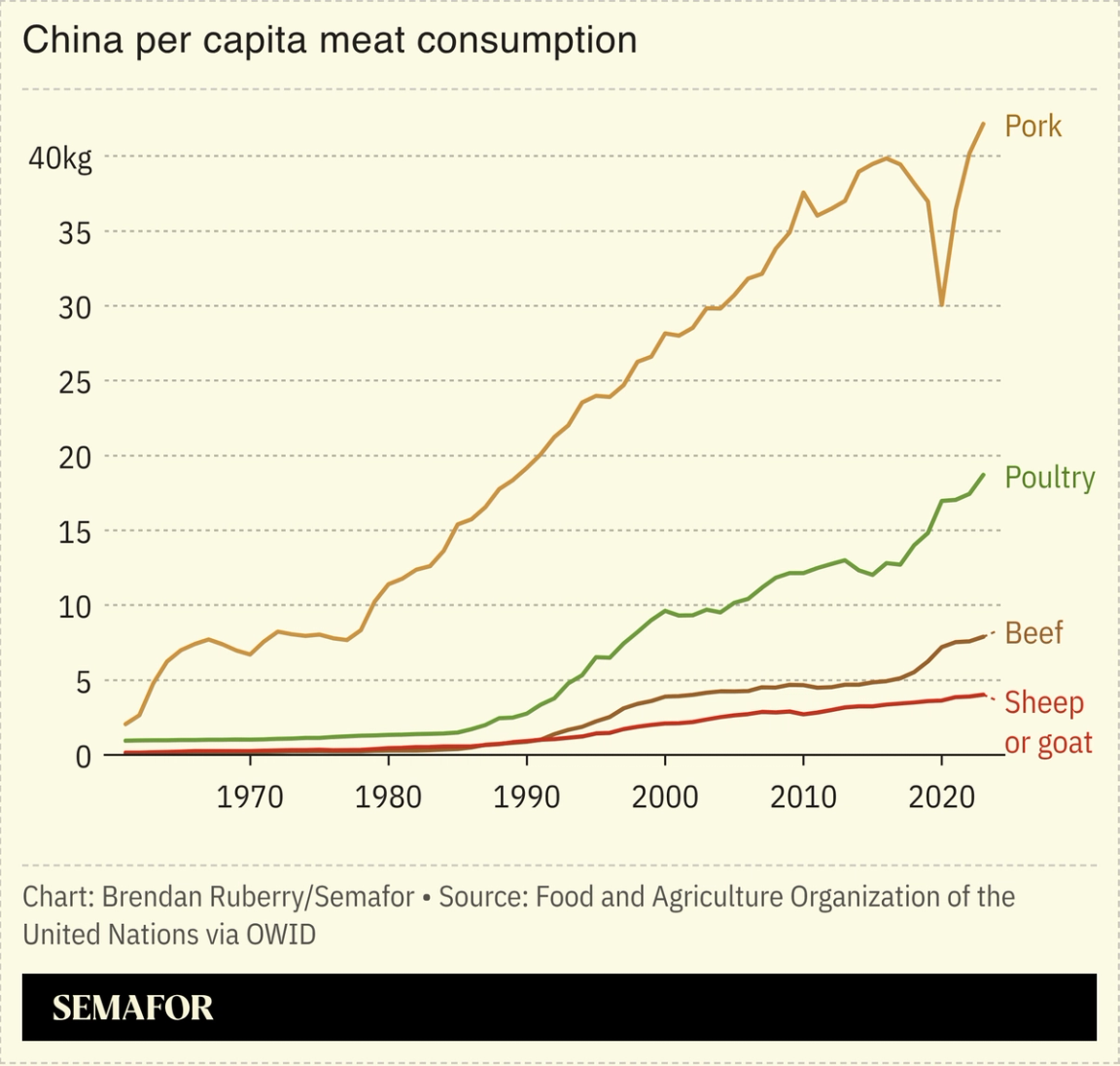 The fake meat industry, while declining in the West, is picking up steam in China. In 2021, engineered plant-based proteins were booming: Even Burger King had it on the menu. Since then US investment has fallen 80% from its $5.6 billion peak, as Americans prioritize the real thing and the government promotes a “carnivore diet.” In China, though, where the average consumer eats half as much as the average American, things are moving in the opposite direction. Beijing’s agriculture ministry is promoting fake meat in its “future foods” initiative, and investments are up. Chinese shoppers are less concerned about animal rights or the environment than Western ones, Heatmap noted, but they are more optimistic about new technologies. |
|
|


