|
|
I take magnesium most nights before bed. It’s become part of my wind-down routine, and I’m convinced it’s improved my sleep. (It also gives me vivid dreams, but that’s a story for another newsletter.) So yes, when it comes to magnesium, I’m a true believer.
I also know that “it works for me” isn't the strongest scientific argument, so I wanted to find out if the research backs up the hype and my own experience. Is magnesium really the #1 multitasking mineral, or are we all just riding a supplement trend?
Today, preventive cardiology dietitian Michelle Routhenstein and OB-GYN Sheryl Ross, MD, give us the full picture, including where the experts actually disagree.
|
|
|
|
|
|
|
Let’s put it to the experts,
Tim Snaith
Newsletter Editor, Healthline |
 |
|
Written by Tim Snaith
March 10, 2026 • 4 min read |
|
|
|
|
|
 |
|
|
| Q: |
Why all the hype around magnesium? |
|
| A: |
Magnesium is an essential mineral involved in over 600 bodily processes. It helps turn food into energy, keeps your heart beating normally, regulates blood sugar, supports healthy blood pressure, and aids muscle and nerve function. It also supports thyroid health and overall hormonal balance, which mounting evidence suggests may be particularly relevant for women.
Is the hype justified? The experts we spoke with don’t fully agree.
Routhenstein, the dietitian, urges caution. Research links higher magnesium intake to a lower risk of stroke, heart disease, type 2 diabetes, and bone density loss, but she points out that “much of this comes from observational studies, where people eating more magnesium-rich foods also tend to have healthier overall diets.”
In other words, it’s hard to separate magnesium’s effects from the benefits of eating well in general.
Dr. Ross, the OB-GYN, is more emphatic. She believes magnesium “deserves more recognition in how important it is to the body’s optimal function,” highlighting its protective effects on heart, bone, and metabolic health, as well as its potential for migraine prevention.
She says, “More awareness should be given to maintaining adequate magnesium levels as a way to live a healthier life.”
Symptoms of deficiency include fatigue, muscle cramps or spasms, numbness, tremors, anxiety, irritability, and constipation. In severe cases, irregular heart rhythms and seizures can occur.
Differences in opinion aside, both experts champion a food-first approach. Magnesium-rich sources include:
- Nuts and seeds: almonds, pumpkin seeds, cashews
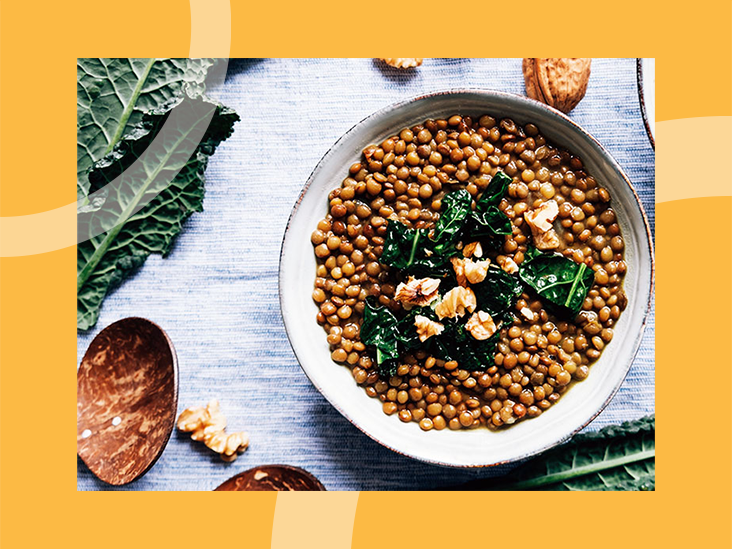
- Legumes: black beans, lentils, chickpeas
- Whole grains: brown rice, quinoa, oats
- Leafy greens: spinach, Swiss chard
- Others: dark chocolate, avocado, yogurt, bananas, oily fish like mackerel and salmon
Adult women generally need about 310 to 320 milligrams (mg) per day, and adult men should aim for 400 to 420 mg per day. Many of us fall short if our diets are low in whole plant foods.
Dr. Ross suggests that those who may benefit from daily magnesium supplementation include people with inadequate dietary intake, type 2 diabetes, migraine, intestinal malabsorption conditions, muscle cramps, restless legs, certain chronic diseases, and anyone going through menopause or taking medications that lower magnesium levels, such as proton pump inhibitors, water pills, and some antibiotics.
Summing up: Magnesium is genuinely essential, and many of us aren’t getting enough. But the smartest first move is to load up your plate with magnesium-rich whole foods. If that’s not working, talk with your doctor about whether a supplement makes sense for you.
|
|
| Want to learn more about food, diets, cooking, or some other nutrition subject? Let us know at nutritionedition@healthline.com and we’ll look into it for you! (Heads up, we may use your response in an upcoming newsletter.)
|
 RECIPE PICKChiles Rellenos Breakfast CasseroleLayered Italian sausage with Poblano peppers, cheese, and fluffy eggs to help keep you feeling full all morning.GET THE RECIPE → |
|
| Sponsored by |
|
 |
|
|
|
| Home-cooked meals with restaurant quality |
| |
| |
 |
| GreenChef |
Whether you live alone, with a partner, or with kids, thinking about what to serve at mealtimes can be stressful, or sometimes even get shoved onto the back burner. With GreenChef, that becomes a thing of the past.
Select your meals (and servings) from their weekly menu of chef-crafted, dietitian-developed, organic recipes curated to meet multiple dietary needs, and wait for your box to arrive at your door. As a meal delivery service designed to fit your routine, skip, pause, or cancel anytime before your weekly cutoff. Use code HLM50FB to receive 50% off your first box, plus 20% off for 2 months! |
|
|
| Every product we recommend has gone through either Healthline’s or Optum Now’s vetting processes. If you buy through links on this page, we may receive a small commission or other tangible benefit. Healthline has sole editorial control over this newsletter. Potential uses for the products listed here are not health claims made by the manufacturers. Healthline and Optum Now are owned by RVO Health. |
| |
|
|
|
| |
|
|
|
| What we’re digesting |
| | |