Chokepoints, China's edge, and the dollar from the Greenberg Center for Geoeconomics
Council on Foreign Relations | Geoeconomics Dispatch

From the Greenberg Center for Geoeconomics

Illustration by Juan Bernabeu

By Edward Fishman
Senior Fellow and Director of the Maurice R. Greenberg Center for Geoeconomics

Dear readers,


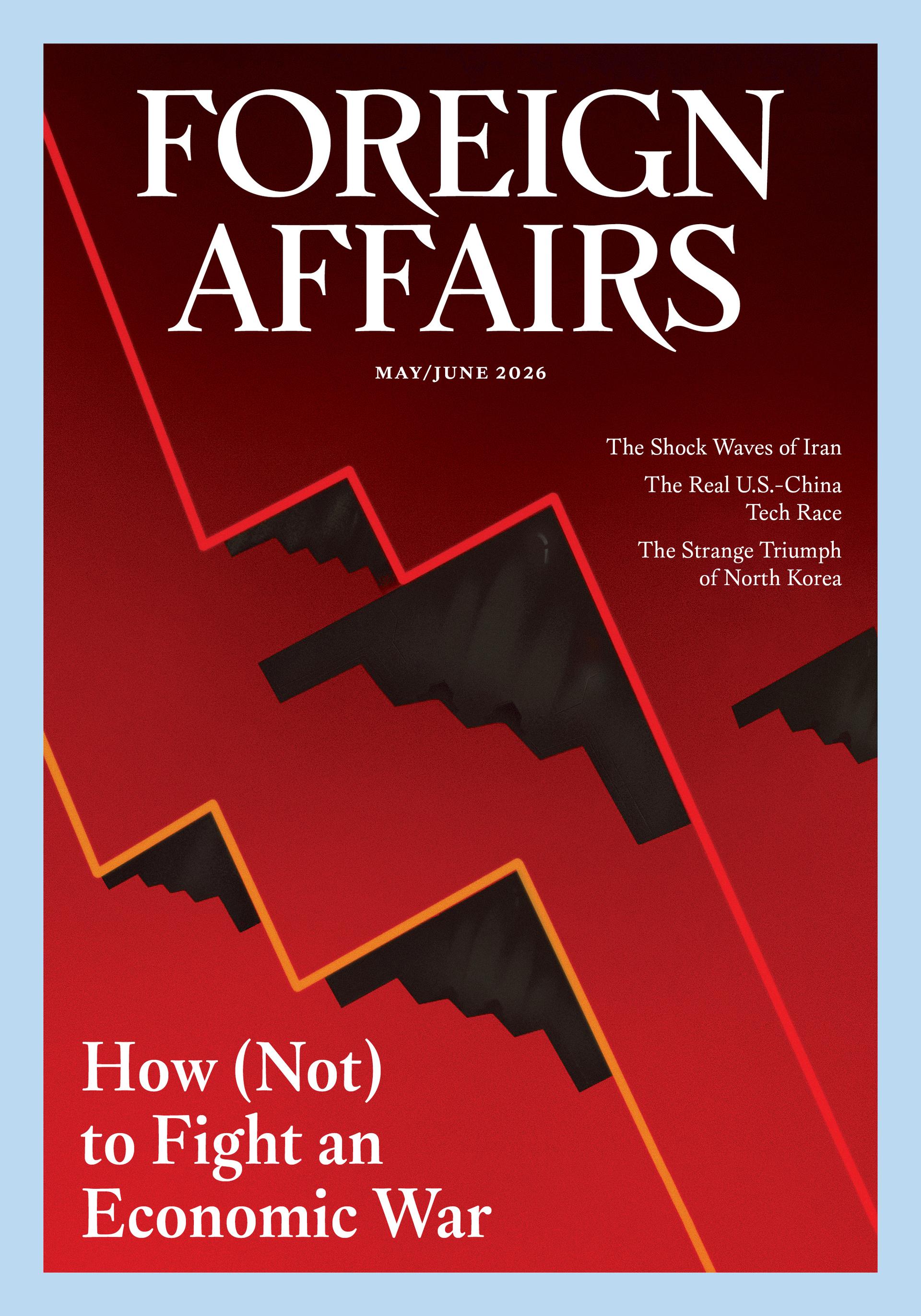
I’m delighted to share my cover essay in the new issue of Foreign Affairs, “How to Fight an Economic War.”


The global economy is being reshaped by two parallel processes: an economic arms race and a scramble for economic security. Governments are crafting new ways to weaponize their advantages while simultaneously defending against rivals’ economic weapons. The United States lacks a field manual for this new environment. For decades, it operated from a position of dominance, wielding economic leverage with little fear of retaliation. That world has passed. Today’s system is defined by mutual vulnerability and the growing importance of chokepoints.


In the essay, I lay out how to identify these chokepoints, how to use them effectively, and how to defend against others’ leverage without undermining the foundations of American economic power. I also explore how to manage escalation and what the proliferation of economic warfare means for the future of the global economic order.


This piece takes on several of the core questions we’re examining at the Greenberg Center for Geoeconomics. Below, you’ll also find additional analysis from the Center on China and artificial intelligence (AI), how the Iran war is accelerating the clean energy transition, and the future of the dollar. I welcome your thoughts. 


All best, 

Eddie


How to Fight an Economic War: A Field Manual for a Ruptured World

Fishman’s cover essay in the latest issue of Foreign Affairs explains how the United States can wage economic war more effectively—and without undermining its own foundations. Read more

Foreign Affairs May/June 2026: How (Not) to Fight an Economic War
 
 
Illustration by Igor Bastidas

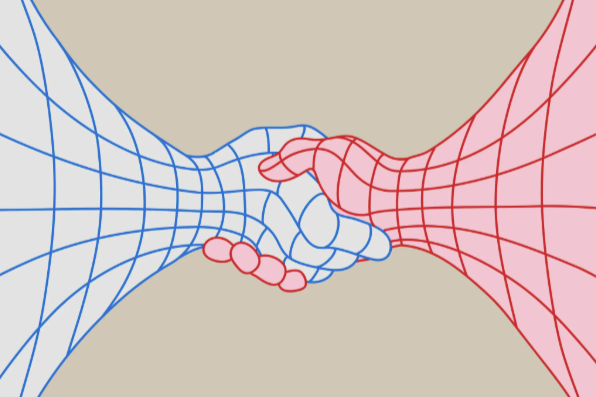
I Went to China to See Its Progress on Artificial Intelligence. We Can’t Beat It.

China and the United States are roughly level in the AI contest, and chip export controls have failed to change that. In pursuing an impossible objective, CFR Fellow Sebastian Mallaby argues in the New York Times, the United States is missing a more realistic opportunity: negotiating with China a global pact on AI safety. Read more

The Hormuz Shock and Why the Fed Is “On Hold”

On the CFR podcast The Spillover CFR Fellow Rebecca Patterson and William C. Dudley, chair of the Bretton Woods Committee and former New York Fed president, unpack how war, AI, and global institutions are reshaping monetary policy and market stability. Watch the episode’s live taping

Listen
The Spillover
 
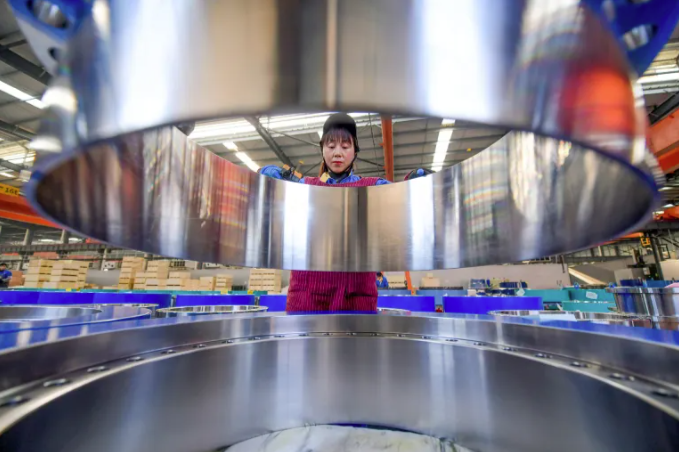
A worker manufactures locking disc for wind turbine units at a factory in Luoyang, China, on December 11, 2025. Zhang Yixi/VCG/Getty Images

With Hormuz Closed, China Is Wiring the Globe’s Clean Energy Future

The blockage of the Strait of Hormuz is accelerating a global race toward solar, wind, and electric vehicles—and CFR Fellow David Hart argues that China, which dominates all three industries, is the clear winner. If future geopolitics are defined by a struggle between a Chinese electro-state and a U.S. petro-state, then the Iran war is a self-inflicted wound. Read more

Brad Setser on the War in Iran and the Future of the U.S. Dollar

CFR Fellow Brad W. Setser joins Bloomberg’s Odd Lots to examine how the war in Iran is reshaping global financial flows, what it means for the dollar, and the unique pressures facing East Asia.  

Listen
Bloomberg Odd Lots
 

About the Greenberg Center for Geoeconomics

The Maurice R. Greenberg Center for Geoeconomics examines how economic and geopolitical forces interact to shape the world.


Council on Foreign Relations

58 East 68th Street, New York, NY 10065

1777 F Street, NW, Washington, DC 20006

Shop the CFR Store

Facebook | X | Instagram | LinkedIn | YouTube

 Manage Your Email Preferences | View in Browser