Casa Milana, a conversation with Franck Genser, collectable design and more.
|
Wednesday 22/4/26
|

|
|
London
Paris
Zürich
Milan
Bangkok
Tokyo
Toronto
|
|
|
|

talk of the town
This week’s dispatch comes courtesy of our roving editors and reporters at Milan Design Week. Alcova’s unconventional settings ensure that its exhibitions pop, Paris-based designer Franck Genser speaks about working with Louis Vuitton and a collaboration dawns between Japanese furniture brand Koyori and Belgian architect Vincent Van Duysen. Then: a calm and collected conclusion thanks to Casa Milana in Brera. Taking it from the top is Monocle’s design editor, Nic Monisse.
|
|
OPINION: Nic Monisse
Only collect
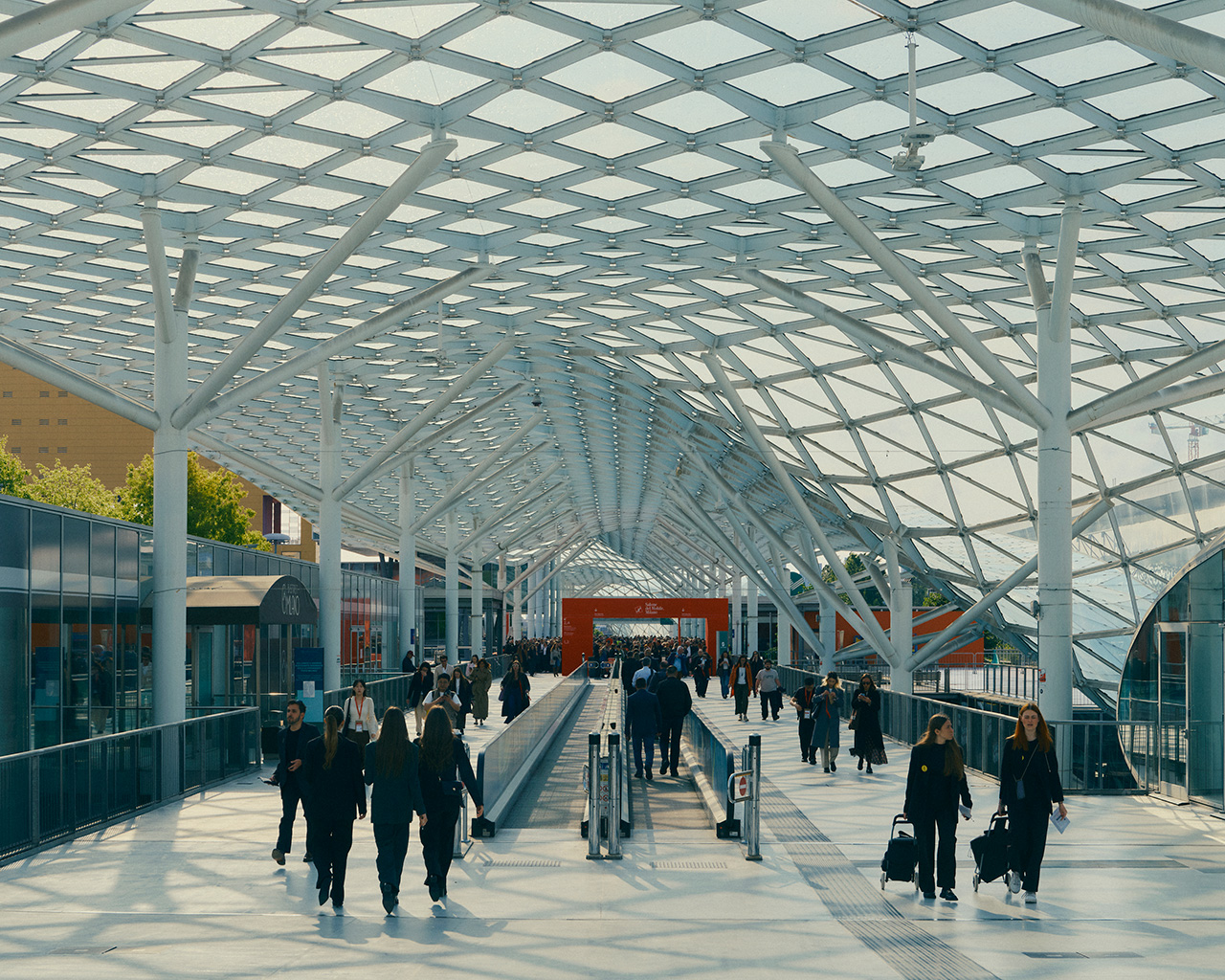
“It just makes sense,” Maria Porro told Monocle at the opening of Salone del Mobile yesterday. The president of the world’s biggest furniture fair was referencing a forthcoming talk by Pritzker Prize-winning architect Rem Koolhaas on contract furniture – the wares that furnish offices, hotels and developments of scale – alongside a new collectable-design exhibition: Salone Raritas. “At my family company Porro, we have both contract and limited-edition pieces, so it makes sense to have them both here.”
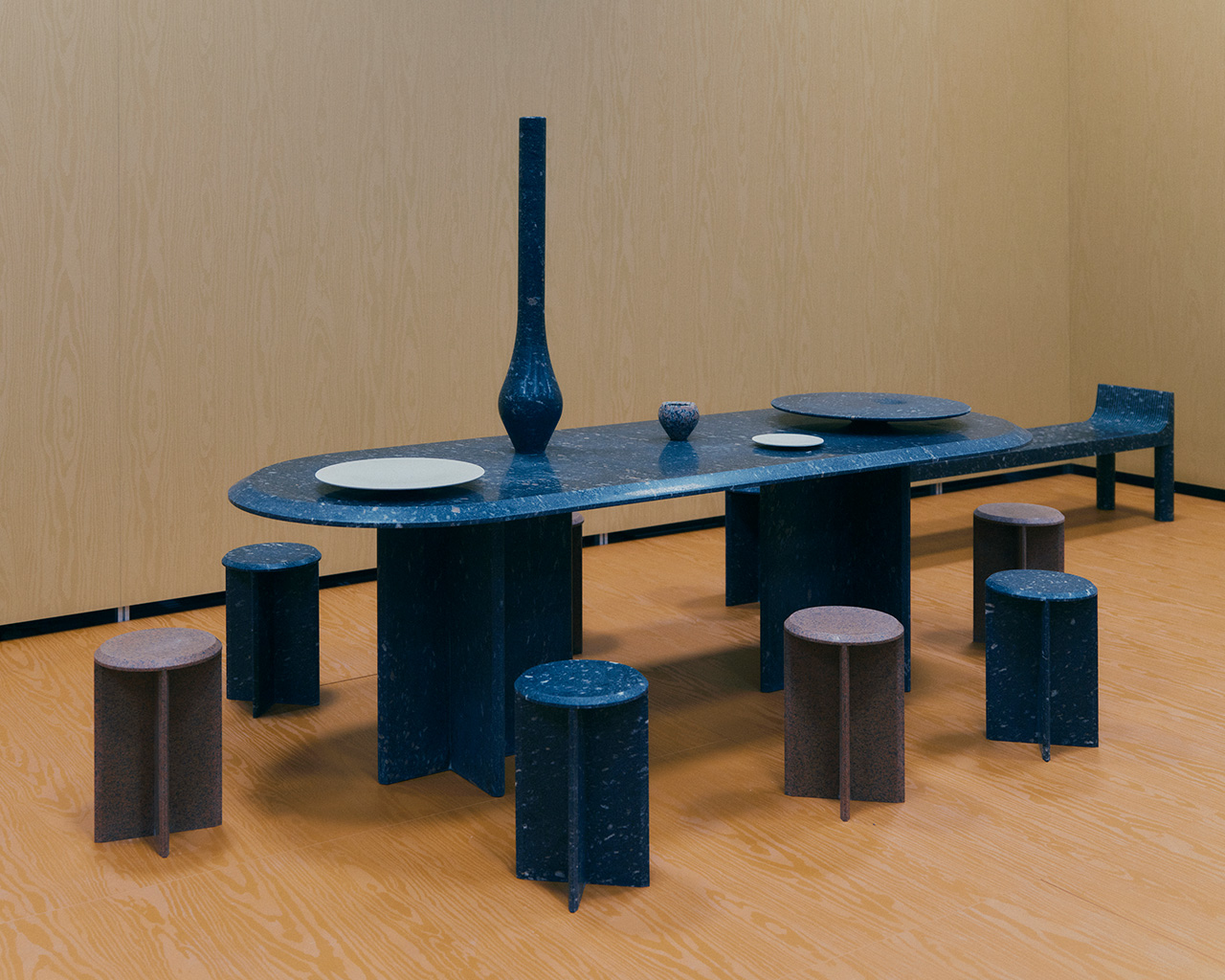
The representation of scale in the form of contract furniture, as well as the inclusion of Raritas, which sees antiques and one-off and limited edition pieces presented at the event for the first time, speaks to the nature of the industry right now. “Industrial design is mixing with antique and rare elements,” adds Annalisa Rosso, Porro’s colleague and curator of Salone Raritas. “Raritas is a response to this change that we are seeing everywhere.”
|
It’s a blurring of boundaries between mass manufacturing and craft. Industrially produced furniture remains essential: furniture for offices, hotels, hospitals, schools and homes across the globe can only be delivered at this volume and price point. But blue-chip auction houses, including Sotheby’s, and fairs, such as Design Miami, have elevated collectable furniture to the status of fine art. Savvy investors are turning to it as a tangible, appreciating asset capable of outpacing more traditional markets. Sales grew by 20.4 per cent in the first half of last year alone. It’s only natural that Salone responded.
|
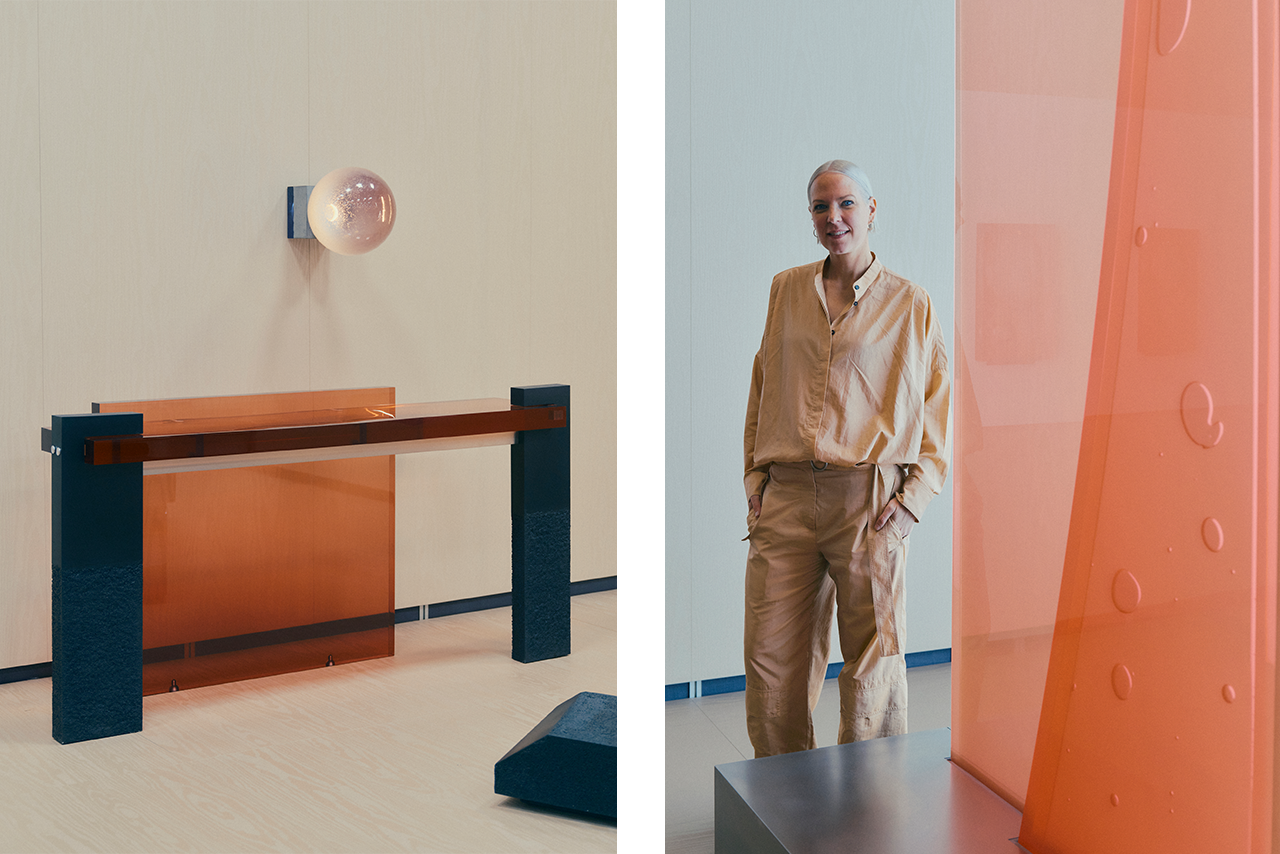
Designers are benefiting from this shift towards the collectable too. “It’s an opportunity to explore ideas,” Sabine Marcelis (pictured, above) told Monocle. The Dutch designer is presenting work at Raritas and was referencing the freedom of making at a smaller, more craft-led scale. She is one of many talents working in the liminal space between furniture and fine art. Others, including architecture studio Parasite 2.0 and UK-based Lewis Kemmenoe (represented by London’s Max Radford Gallery), are part of the 27-strong exhibitor list at Raritas. In a fair with more than 300,000 attendees and 2,000 exhibitors, it might seem like a small number – but that is beside the point.
What matters is that collectable design now has a seat at the table at Salone del Mobile. The event continues to set the industry’s agenda – and this move to diversify what it considers to be design will only strengthen that primacy. The fact that a Rem Koolhaas lecture on contract furniture and a Sabine Marcelis limited-edition sculpture can coexist under the same roof shows that neither faction is diminished by the presence of the other. Rather, the contrast – industrial and mass-produced versus intimate and one-of-a-kind – sharpens both. Raritas will grow and, as collectable design continues its ascent, you can expect more galleries and makers to find their way to Milan each April to roll out their wares and rub shoulders with industry behemoths.
Nic Monisse is Monocle’s design editor. For more from Monocle at Milan Design Week, stop by our pop-up reading room and café at Balay. For more information head to monocle.com.
|
|
DESIGN NEWS: alcova
Location, location, location
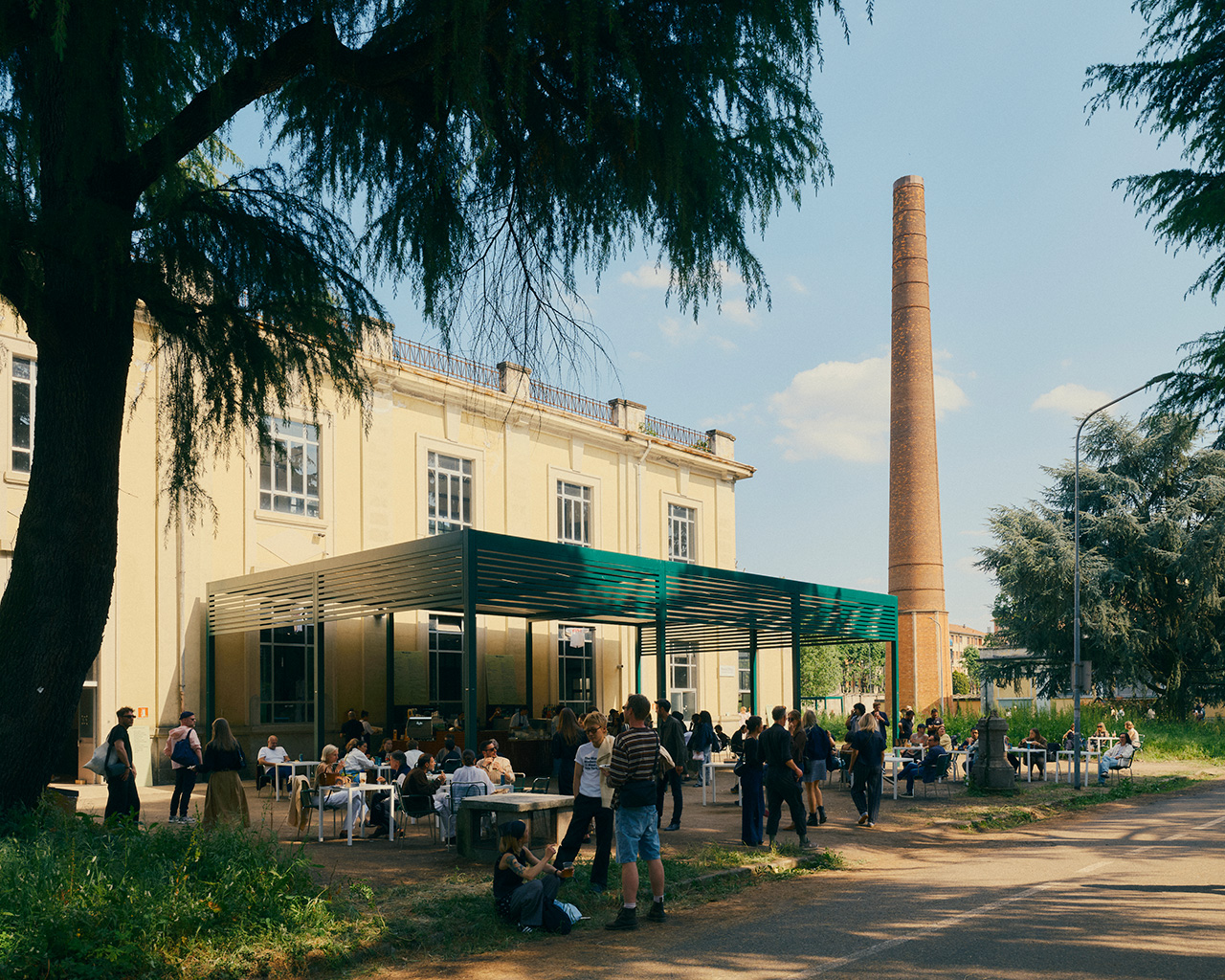
Alcova is a consistently excellent destination during Milan Design Week. The Fuorisalone platform for emerging and lesser-published design talent always picks unusual locations in which to exhibit. After heading outside the city limits into Brianza for the past two years, Alcova makes a return to the city at two beautiful locations, both in the western part of Milan. The first is the former Baggio Military Hospital, previously used by the brand in 2021 and 2022 (repurposing architecture is a recurring theme for Alcova, which Valentina Ciuffi and Joseph Grima founded in 2018). The second space – open to the public for the first time – is a stunning rationalist villa from famed designer Franco Albini, better known for his furniture rather than his architecture.
|
|
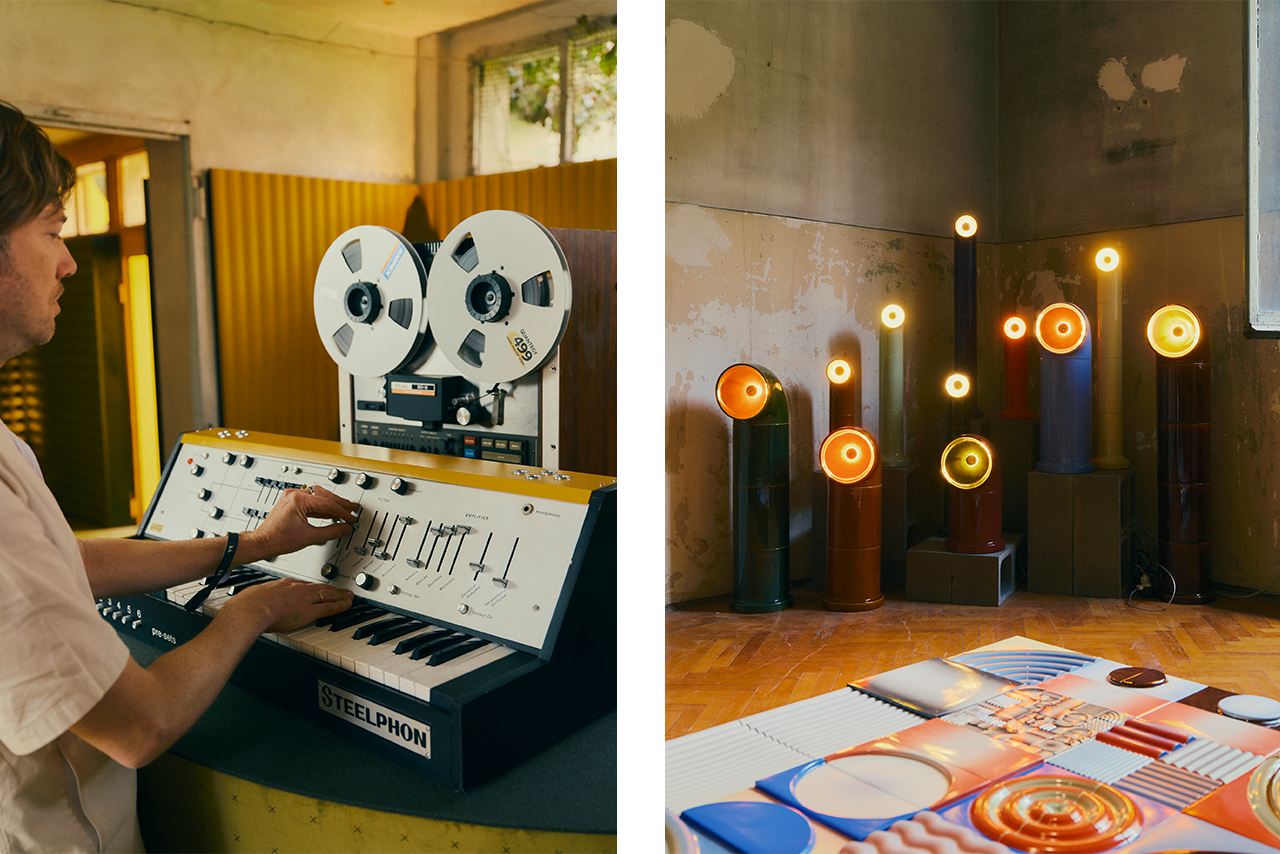
The eye-catching production and mis-en-scène of contemporary pieces dotted around historic buildings helps to make this one of Alcova’s strongest curatorial showings in recent years. Among the pieces that caught our eye are Fenna Kosfeld’s daddy-long-legs-like lamps, the Totemic lighting collection from Brooklyn and Los Angeles’s Andrea Claire, the stonework of Mexico’s Sten Studio and the vintage synths of Slalom x Vintage Audio Institute. Over at Albini’s Villa Pestarini, Cassina art director Patricia Urquiola has created an indoor installation that includes reissued Albini furniture. It all sits on a rug that she designed, which mirrors the pattern of the villa’s windows. Need more of an Alcova fix? After travelling overseas for two editions of Miami Art Week, Alcova is set to extend its international imprint to Mexico City next year.
alcova.xyz
Visit Alcova during Milan Design Week at Casa delle Suore C8, Baggio Military Hospital Complex, and Villa Pestarini, 2 Via Mogadiscio.
|
|
WORDS WITH... Franck Genser
Testing the waters
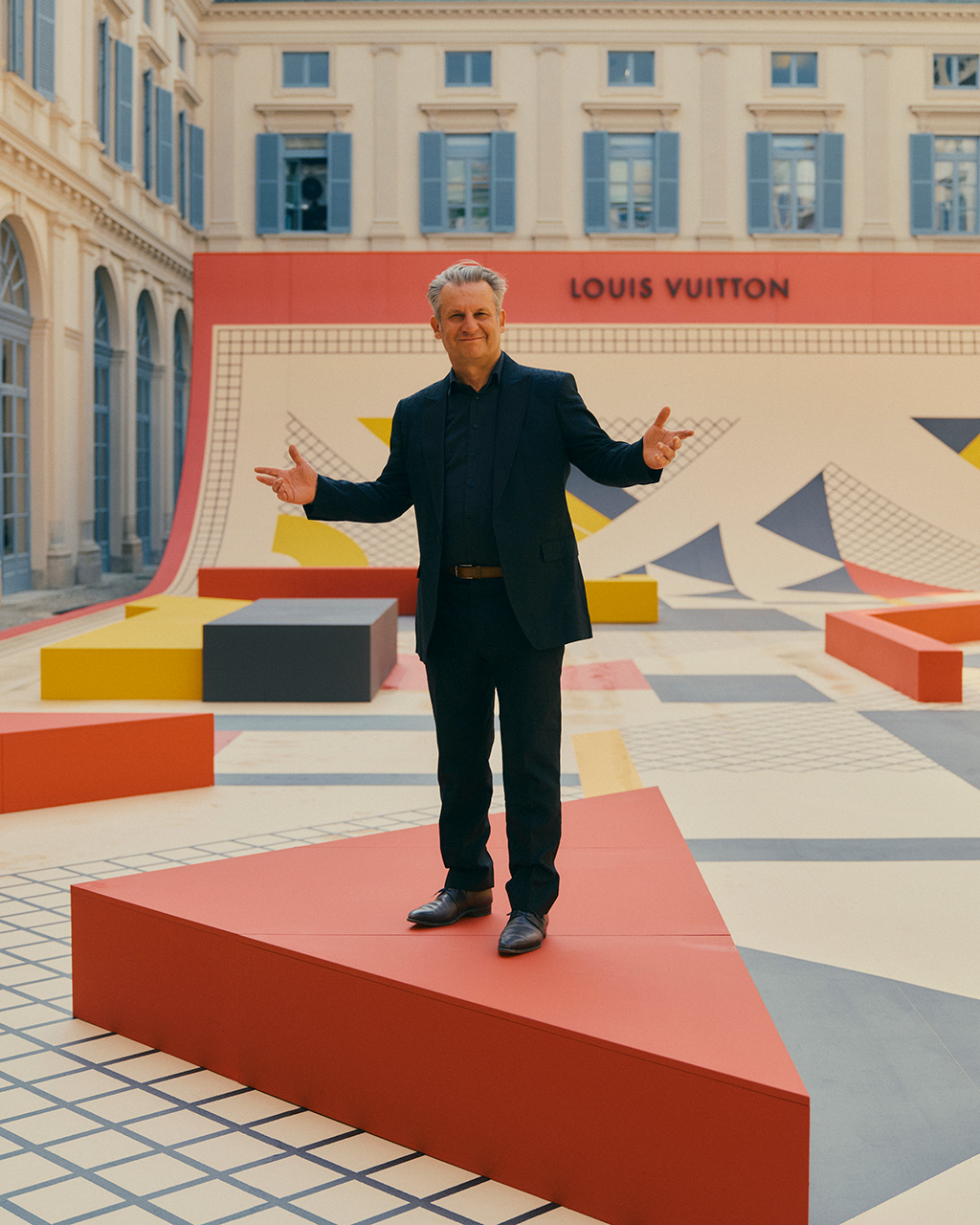
Louis Vuitton has unveiled its latest Objets Nomades collection for Milan Design Week. Among the participating artisans in this year’s showcase is Paris-based designer Franck Genser, whose walnut-and-black-marble Aqua coffee table is inspired by the surface and depth of water. Monocle met Genser at Palazzo Serbelloni, where Objets Nomades is held, to discuss his collaboration with the fashion house, as well as design as a therapeutic experience.
|
Can you tell us about this collaboration with Louis Vuitton?
It has been three years since the Louis Vuitton team first came into my gallery to look at my work. It has been an incredible experience and the team has been dedicated to bringing my design to life as it was sketched.The Aqua table is made from walnut and a polished, black marble stone from Zimbabwe. Its rounded shape has a smooth and soft surface that invites the touch. For me, a sensual experience is an essential aspect of furniture – it needs to make you want to touch and appreciate the materials and design.
You have training as an engineer but also as a therapist. How does it come into play in your design practice?
Design and therapy both treat the interior. This has made me look at beauty as a function. There is an electric connection between people and objects. Furniture plays a role as something that should soothe you. I have observed how people react more positively to softer shapes. I have always been subconsciously drawn to organic lines.
How does Milan Design Week compare to the French design scene?
It’s a very exciting time. I like to come to Milan to feel invigorated. As part of the ‘French team’, I am competing with the Italian design scene – but that competition is what pushes me to do better. I admire the Italian dedication to detail, where all angles have been considered. Italians are very conscious of the environment that they create and its impact.
louisvuitton.com; franckgenser.com
Visit ‘Objets Nomades’ at Palazzo Serbelloni, 16 Corso Venezia, during Milan Design Week.
|
|
at the fair: Koyori
Everything under the sun
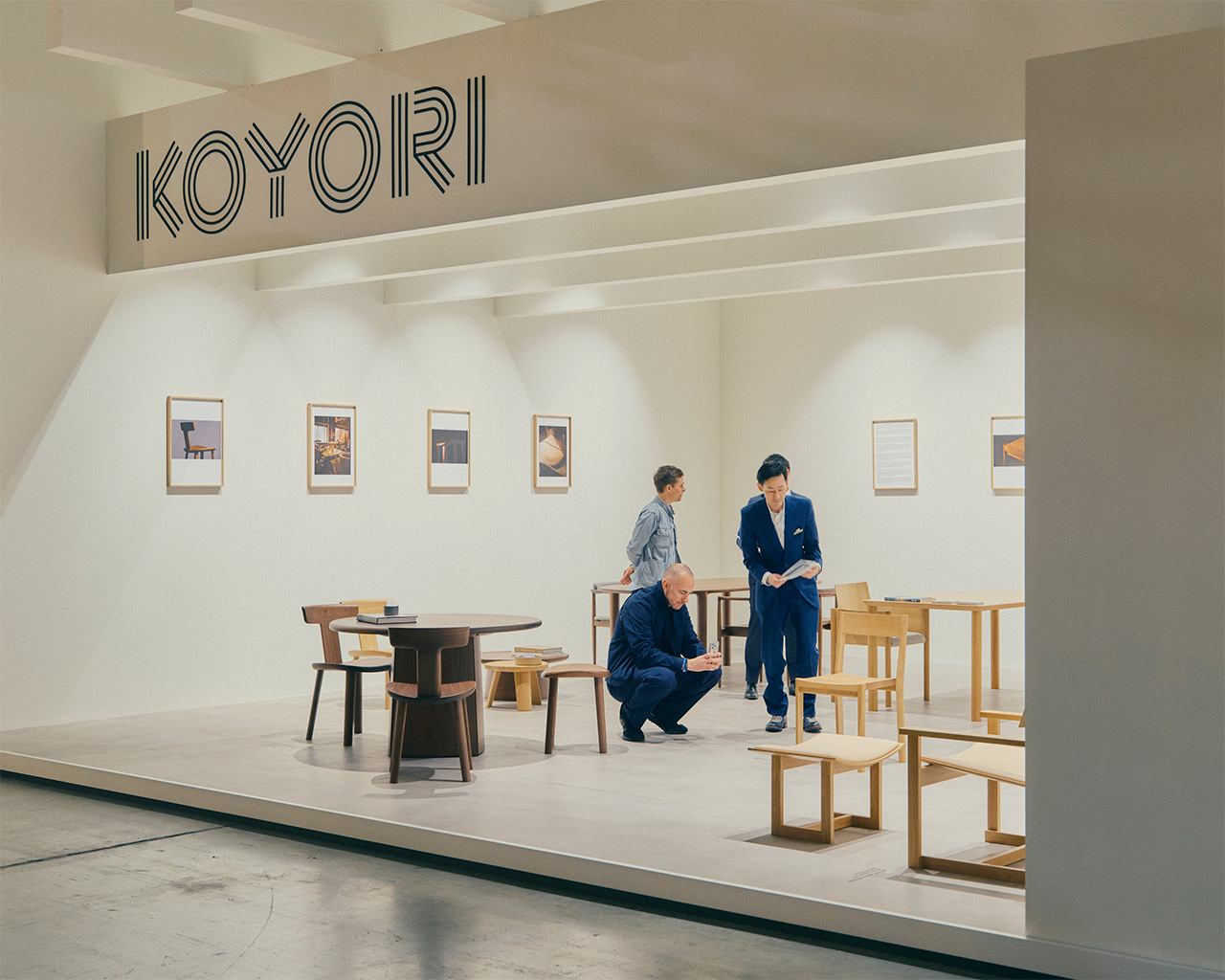
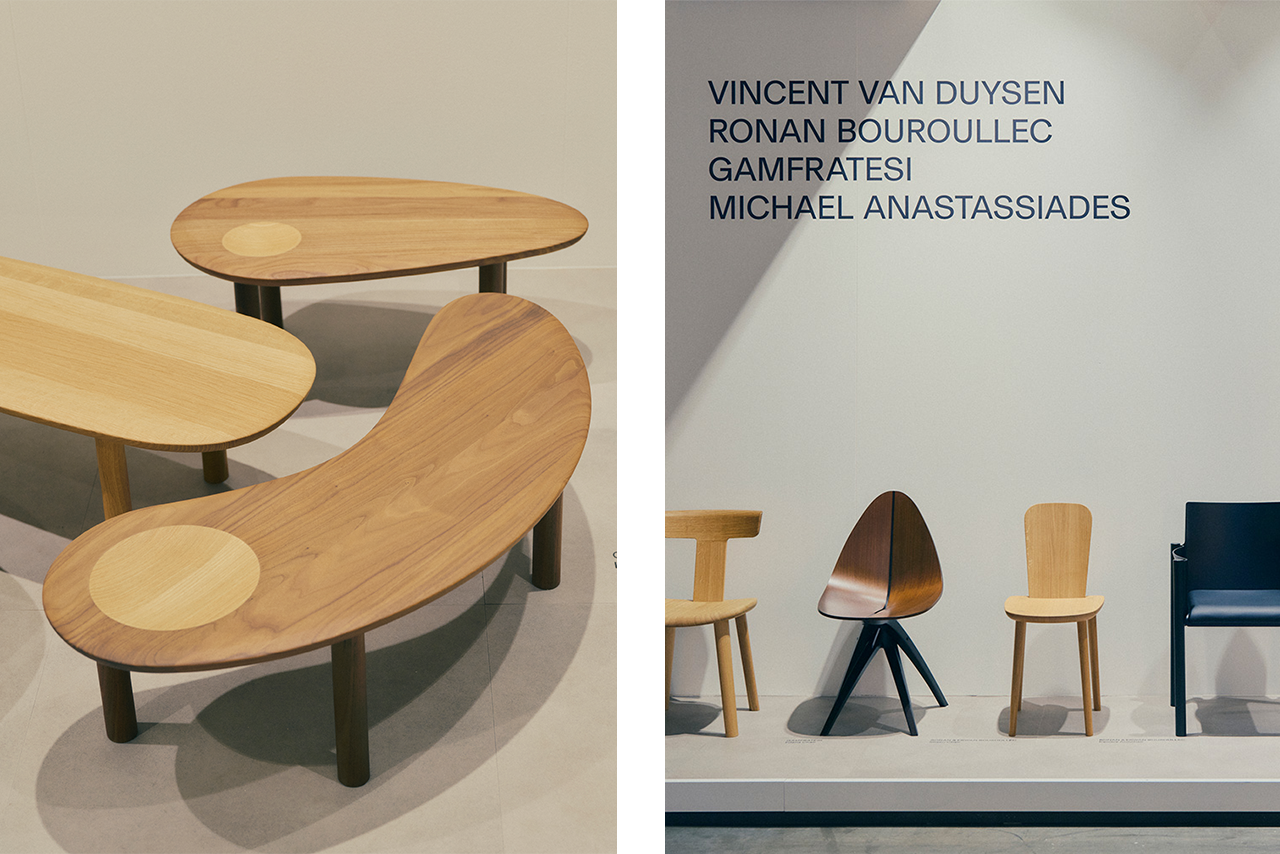
When Munetoshi Koda started Japanese furniture brand Koyori in 2019, Belgian architect Vincent Van Duysen was top of his collaboration wishlist. “I felt that Vincent’s design philosophy resonated with ours,” says Koda. “There are similarities with a Japanese aesthetic and way of thinking.” Koyori is attending Salone del Mobile to launch Van Duysen’s six-piece Hinode (Sunrise) collection, which includes a lounge chair, stool and coffee table that come in solid oak or rich walnut. Van Duysen says that the collection, which takes its name from “that quiet moment when the world shifts from shadow to light”, explores the delicate balance between “softness and structure, warmth and precision”.
|
|
Also on show in Milan will be new works (and updates to existing Koyori collections) by regular collaborators, including French designer Ronan Bouroullec and Copenhagen’s GamFratesi. Koyori’s top-level manufacturing shines throughout. Such skills are a speciality of the brand, which was established by a group of manufacturers to showcase Japanese craftsmanship on the global stage. “Salone is so important as a place to do business,” says Koda. Europe is the biggest market for Koyori, followed by the US, but Koda also has his eye on expansion in Asia. Eventually, the plan is for Koyori to extend its reach to lifestyle goods and small products. An impressive all-Japan project.
koyori-jp.com
Visit Koyori at Salone del Mobile in Hall 22, Stand A16.
|
|
in the city: Casa Milana
Home sweet home
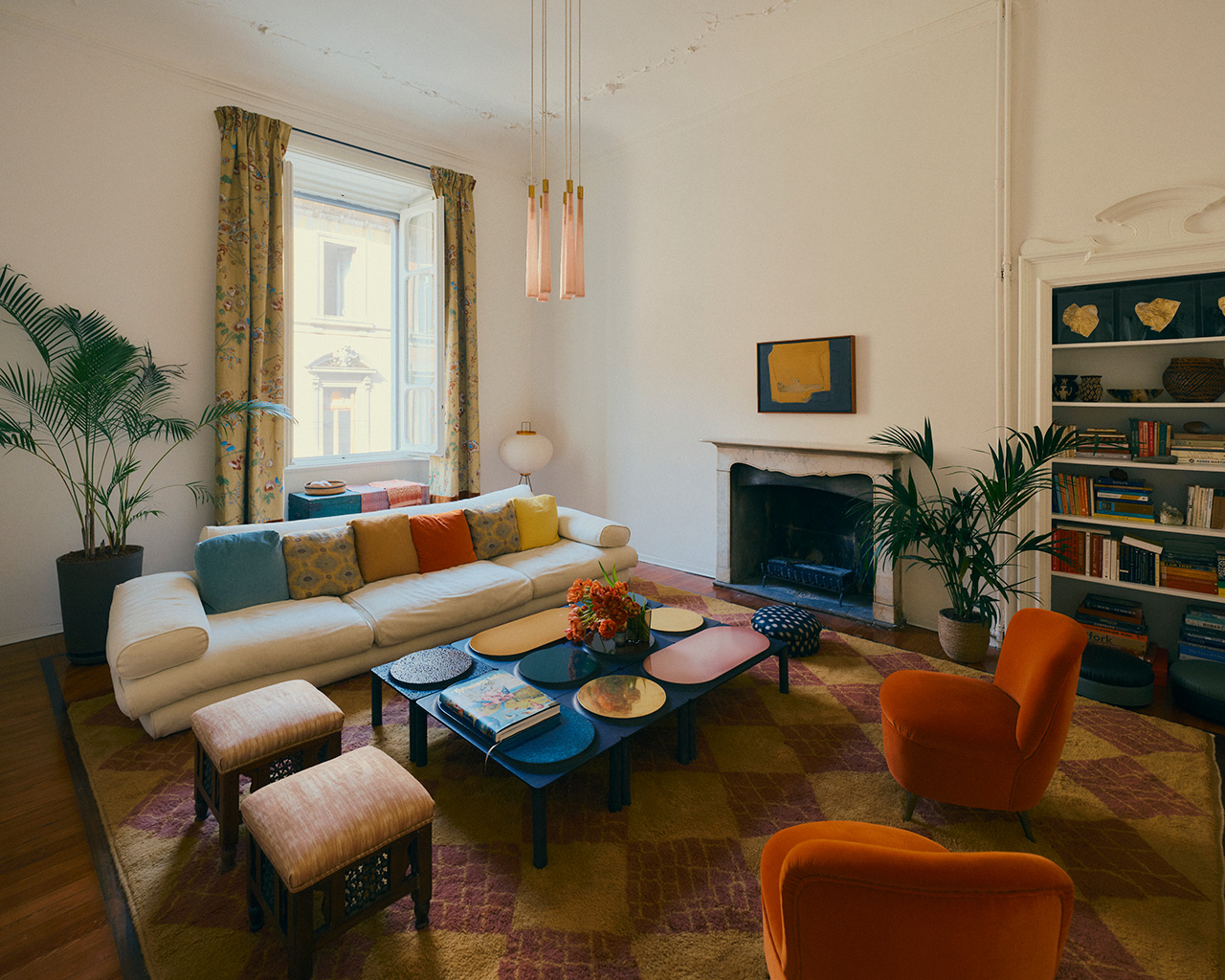
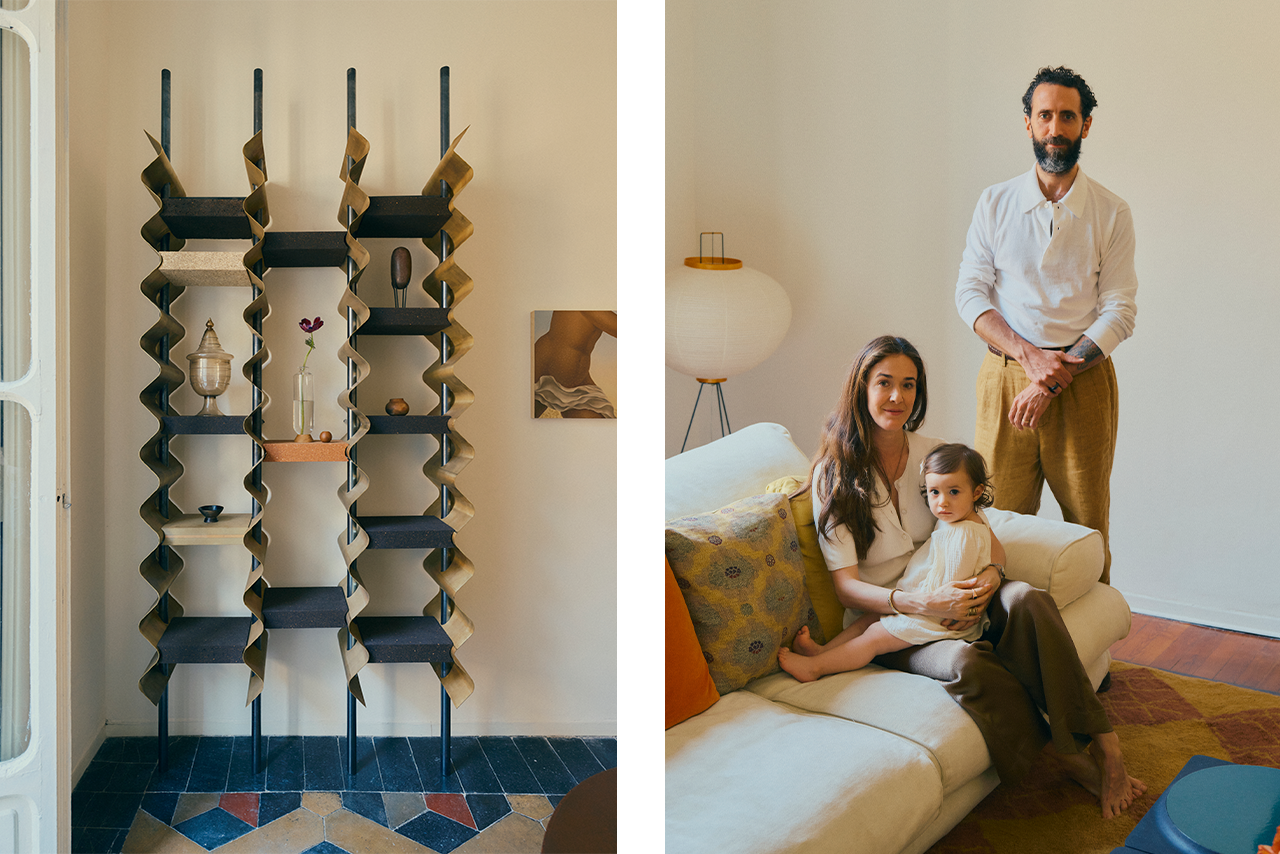
The moment of pause granted by Casa Milana in the Brera neighbourhood is an undoubted highlight amid a full-on Milan Design Week. With its high ceilings and terrazzo flooring, the space blurs the lines between domestic life and work – both the family home of designer Mario Milana and his wife Gabriella Campagna, the practice’s co-founders, and a showroom for the pieces that the studio produces, dotted among other vintage treasures. The result is a real and lived-in space. “Mario’s practice is so much about the body: dynamism in the furniture [and] aspects of movement. It’s something you need to try,” says Campagna. “It’s not something to only be looked at. And the aesthetic result, which is beautiful, comes from functionality as well.”
|
|
Alongside a coffee-table system produced with lava stone laboratory Ranieri, Milana has designed a shelving system influenced by the classic 1950s and 1960s standing bookshelves called Frequenza. This year, Casa Milana is also showcasing its first collaborations: a glassware project with Venice-based company Laguna~B and a capsule collection with Beni. The latter’s range of rugs – all handwoven in Morocco – includes Unione, inspired by the terrazzo flooring of the couple’s home, and a circular meditation mat called Aho. Also look out for Mario Milana’s new dining table, Velum. “It’s about using the home as your own temple,” says Milana. House envy? Just a little bit.
casamilana.it
|
|
| | |