When the first Spanish conquistadors arrived on our Gulf shores, they nearly starved to death. For all their bloodthirsty ambition and technical know-how, they were ignorant of the bounty just beneath the salty waters. All the protein from the sea surrounded them and yet they ate their horses and stole from Native Americans, never learning of the oysters, redfish, sheepshead, black drum, mullet and scores of other fish that sustained the people who lived along the coast.
Five hundred years later, are we guilty of the same? The menus at most of our seafood restaurants boast of fresh, local fish—mostly grouper or snapper—but the real issue is that the “local” fish we eat is likely not local at all.
Seafood established Sarasota. Our old city seal used to memorialize our fishing industry with a childlike drawing of mullet and oysters. So why aren’t we partaking of nature’s bounty just off our shores? To understand why, I visited A.P. Bell Fish Co., one of the last remaining wholesale seafood dealers in our region.
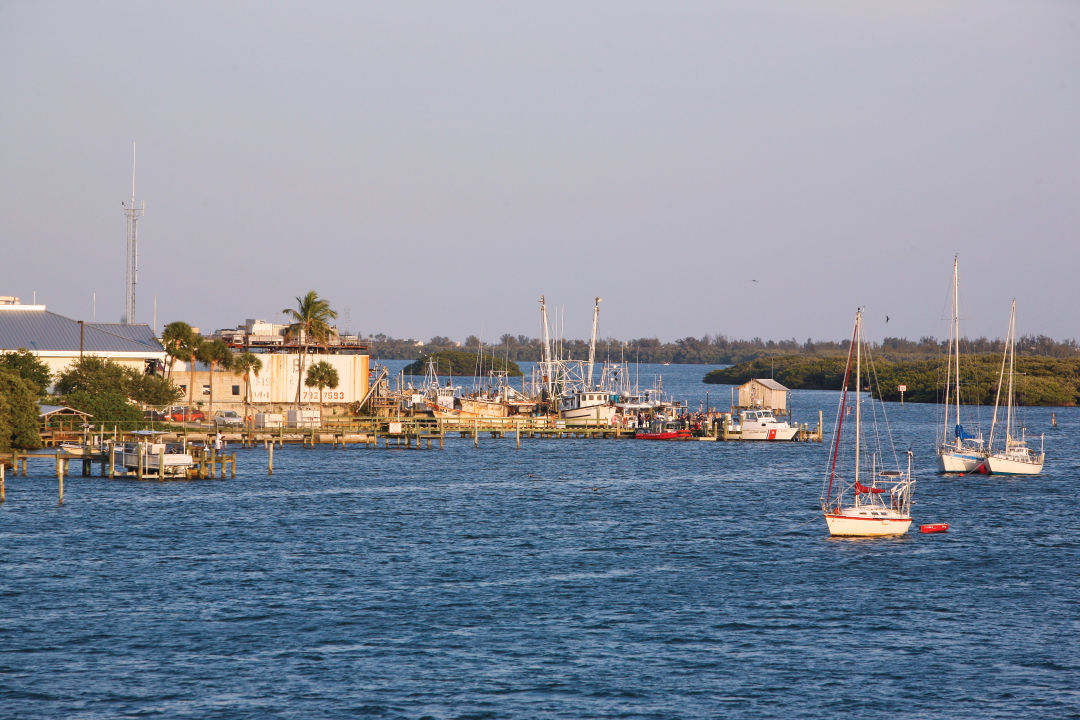
For more than a century, A.P. Bell Fish Co. has sold freshly caught Gulf seafood at its location in the historic fishing village of Cortez on Sarasota Bay. In the beginning, it was a small fish house that sold its catch to Tampa and Cuba. Today, it harvests millions of pounds of seafood using its fleet of 13 fishing boats. And yet, most of what is brought into A.P. Bell gets sent to other states and even other countries instead of going to local restaurants or our own kitchens.