The wrap on the Strait of Hormuz stalemate, Basao’s red oolong and stories you might have missed.
Thursday 23/4/26
The Monocle Minute
London Paris Zürich Milan Bangkok Tokyo Toronto

Sponsored by

Trunk Clothiers

Monocle

Good morning from Midori House. For more news and views, tune in to Monocle Radio or visit monocle.com. Here’s what’s coming up in today’s Monocle Minute: 

THE OPINION: Is democracy doomed or is it time to double down?
AFFAIRS: Strait of Hormuz stalemate is far from wrapping up
DAILY TREAT: Dot the Ts with a caddy of Basao’s red oolong
THE LIST: Stories that you might have missed


The Opinion: politics

Democracy is a disaster online – but in reality it’s still our best option

By Alexis Self
By <em>Alexis Self</em>

At the Future Investment Initiative conference in Riyadh in 2023, I heard a government minister from an autocratic nation explain the pitfalls of democracy in an unstable world. “Democracy is great,” he said with a wry grin, “but in America every four years you are dealing with a completely different group of people, with different values and priorities.” Two and a half years later, with the US (and the world) in an even more chaotic state than it was then, it’s not difficult to see how his anti-democratic view could seem vindicated. 
 
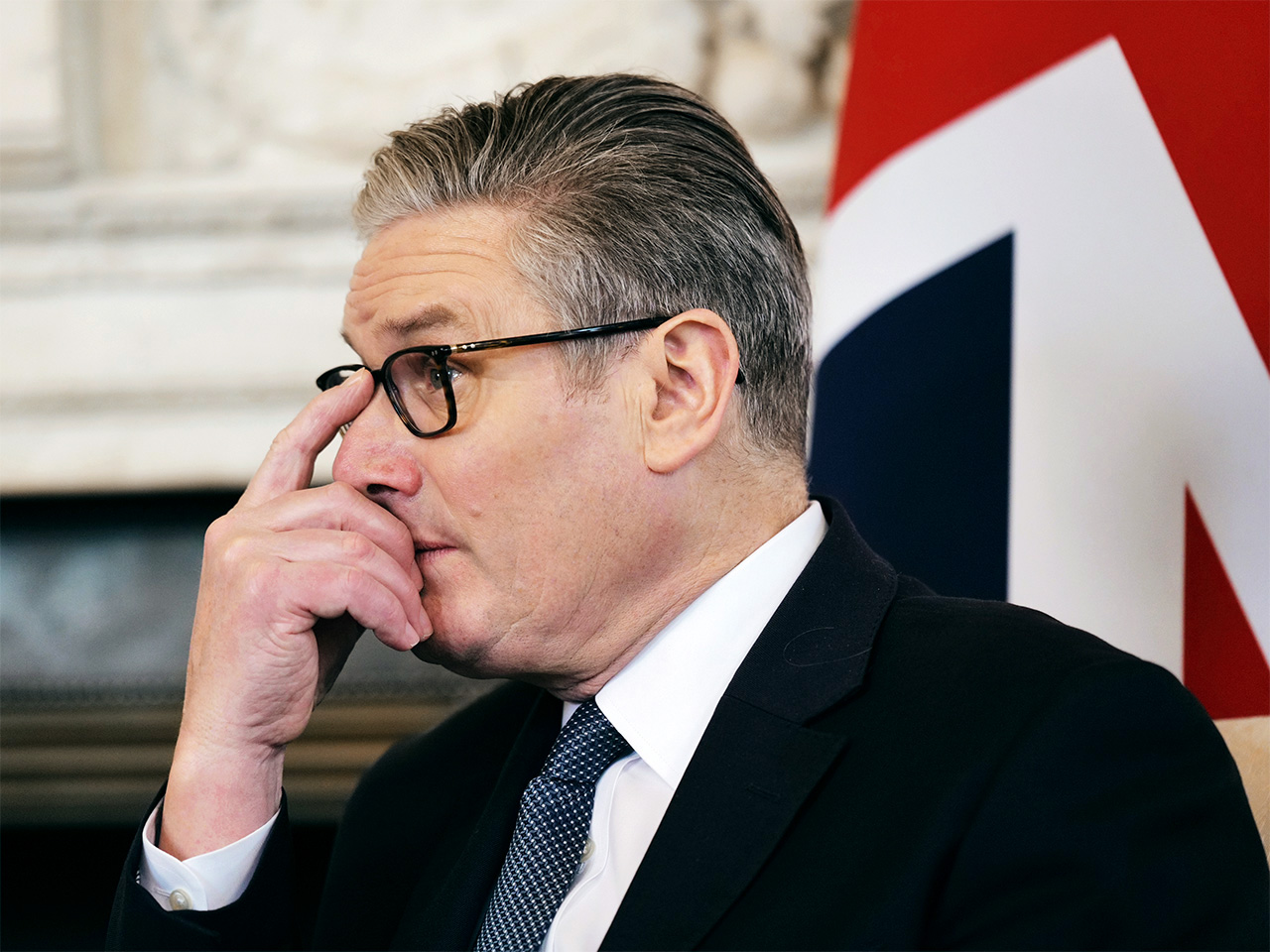
Given the enfilade of apparently intractable problems arrayed against democratic leaders, you could imagine that many of them would prefer not to have to deal with a restive electorate or rancorous parliament. In the UK this week, prime minister Keir Starmer is once more facing calls to resign over his appointment of the now-disgraced Peter Mandelson as US ambassador. This is the latest in a series of crises that have plagued his premiership.

 
Keir in headlights: Under pressure UK prime minister Keir Starmer

As UK voters tire of the never-ending political drama, commentators debate whether or not the country has become ungovernable. Of some comfort to the prime minister is the fact that he is not alone – the politics of many wealthy democracies seem more unstable now than they have been in living memory. On the streets of London, Paris and New York, people block out the sounds of their fellow citizens by plugging in to a favoured political podcast, whose producers profit by amping up the din. If, like me, your day is filled with such commentary, it’s easy to feel subsumed in the mire.

Inside and outside the podcast studios, there is a widespread belief that politicians seem incapable of tackling the issues that matter most to voters. Their ineptitude combined with our dissatisfaction does sound like rather a good recipe for ungovernability and might be why some polls have found a growing fondness for aspects of autocracy. So, is the problem that we are cursed with an exceptionally poor batch of leaders, that our standards are too high or simply that we have the wrong system of government? Well, a little bit of all three, compounded by the impact of technology.

I’m increasingly of the opinion that the most maddening and, therefore, dangerous thing about the internet is that it gives us the illusion of omniscience. Since all worldly information is seemingly at the tips of our fingers, then the solutions to all worldly ills must be too. And politicians, being ultimately the same as all the rest of us, believe this too. Their consequent infighting increases pressure on governments, which feeds into our sense of permacrisis. On top of this is another factor, particularly acute in the UK, that many of our present woes are rooted in economics that are inextricably tied to events happening elsewhere in the world and over which our leaders have little, if any, influence. 
 
So does this mean that our cacophonous disquiet is the result of too much technology mixed with democracy and that Keir Starmer is actually a good prime minister? No. The truth is that there aren’t simple or even definitive answers to many of the complex challenges facing modern societies. But if any country can ultimately deal with them (by no means a certainty), then it will be one that is capable of adaptation through reform, in which simple but crude solutions are not clamoured for and debate is free and open – ie, a democracy.  
 
Alexis Self is Monocle’s foreign editor. For more opinion, analysis and insight, subscribe to Monocle today.


Timeless style

Discover a contemporary, worldly take on classic style at Trunk Clothiers. From sharp tailoring to effortless everyday pieces, Trunk curates a thoughtful selection of quality clothing and accessories from across the globe.

Discover more

Sponsored by Trunk Clothiers


the briefings

affairs: THE GULF

Dire straits: The Hormuz stand-off is starting to be felt beyond the blockade 

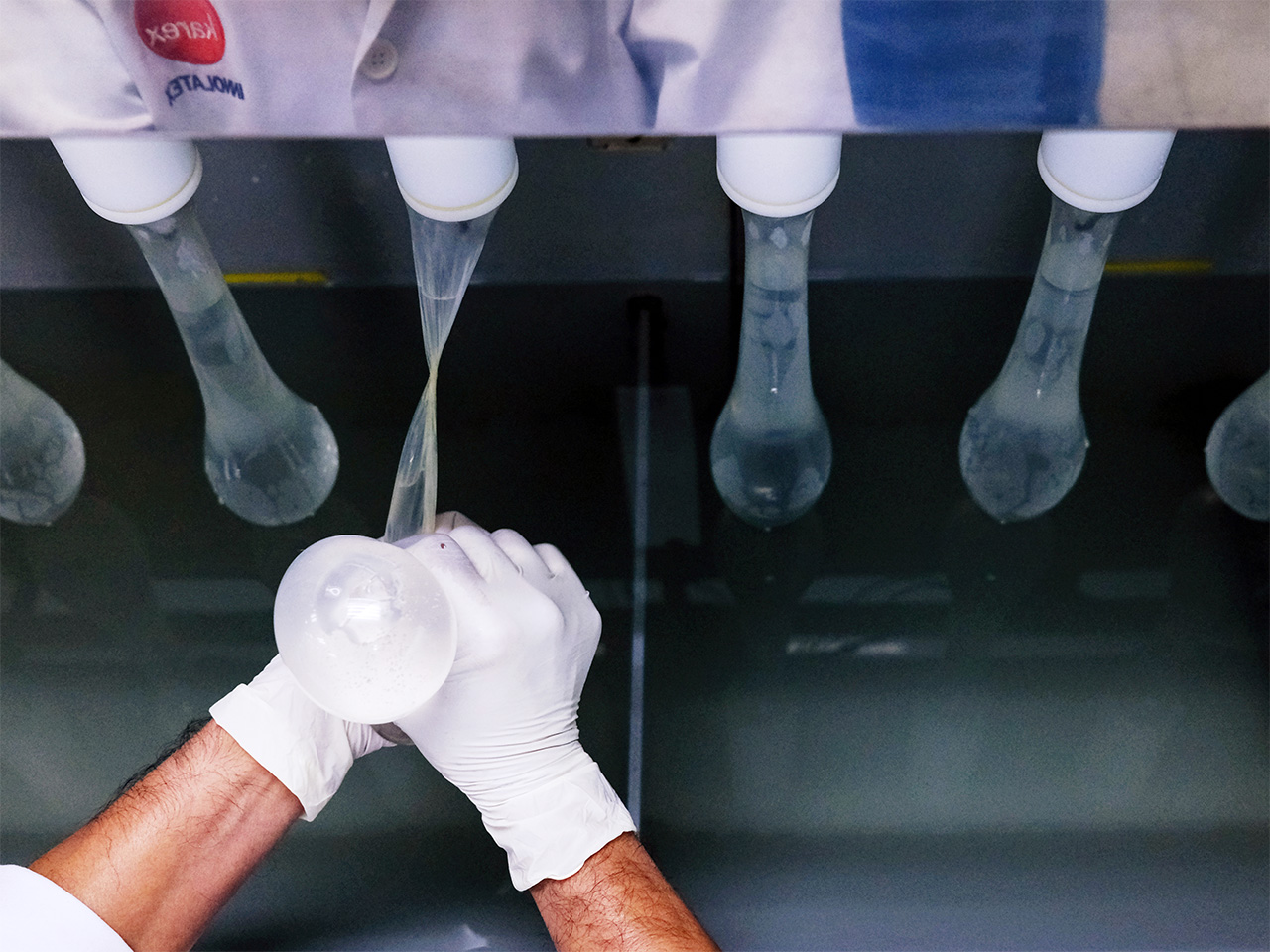
Shipping takes things slow and steady, which is why the wider impact of the Strait of Hormuz’s bulging sea traffic is only just becoming clear (writes Jack Simpson). After jet fuel boomed and air fares ballooned, it was only a matter of time until it affected consumer costs across all industries. The latest? Malaysia-based Karex Berhad, the world’s largest condom maker (that’s more than five billion units of an average size each year), says that it will have to up its prices by about 30 per cent to match the increased cost of raw materials. Karex has stockpiled enough to meet demand for the next few months but the company’s CEO couldn’t rule out supply-chain disruption causing further price rises as the US-Iran conflict leaks into its seventh week. The rubber, as they say, is now meeting the road.

 
The long con: The delayed effects of the US-Iran war are starting to be felt

While much has been made of Gen Z having fewer one-night stands (typically by millennial columnists), there has in fact been no waning in demand for contraceptives. Indeed, given all of the geopolitical turmoil, austerity and global uncertainty, such goods are even more critical. The Middle East war threatens to destabilise an already fragile industry. When the US president shuttered the Agency for International Development (USAID) last year, it brought to a halt millions of donations to developing nations, having distributed 354 million male condoms to 30 countries in 2023. Over the next few weeks, the full effects of the war and the Strait of Hormuz’s closure will emerge. It’s likely that everyday products, from food and fertiliser to bottled water and condoms, will be overlooked as governments eye oil prices and fuel reserves.


• • • • • DAILY TREAT • • • • •

Dot the Ts with a caddy of Basao’s red oolong  

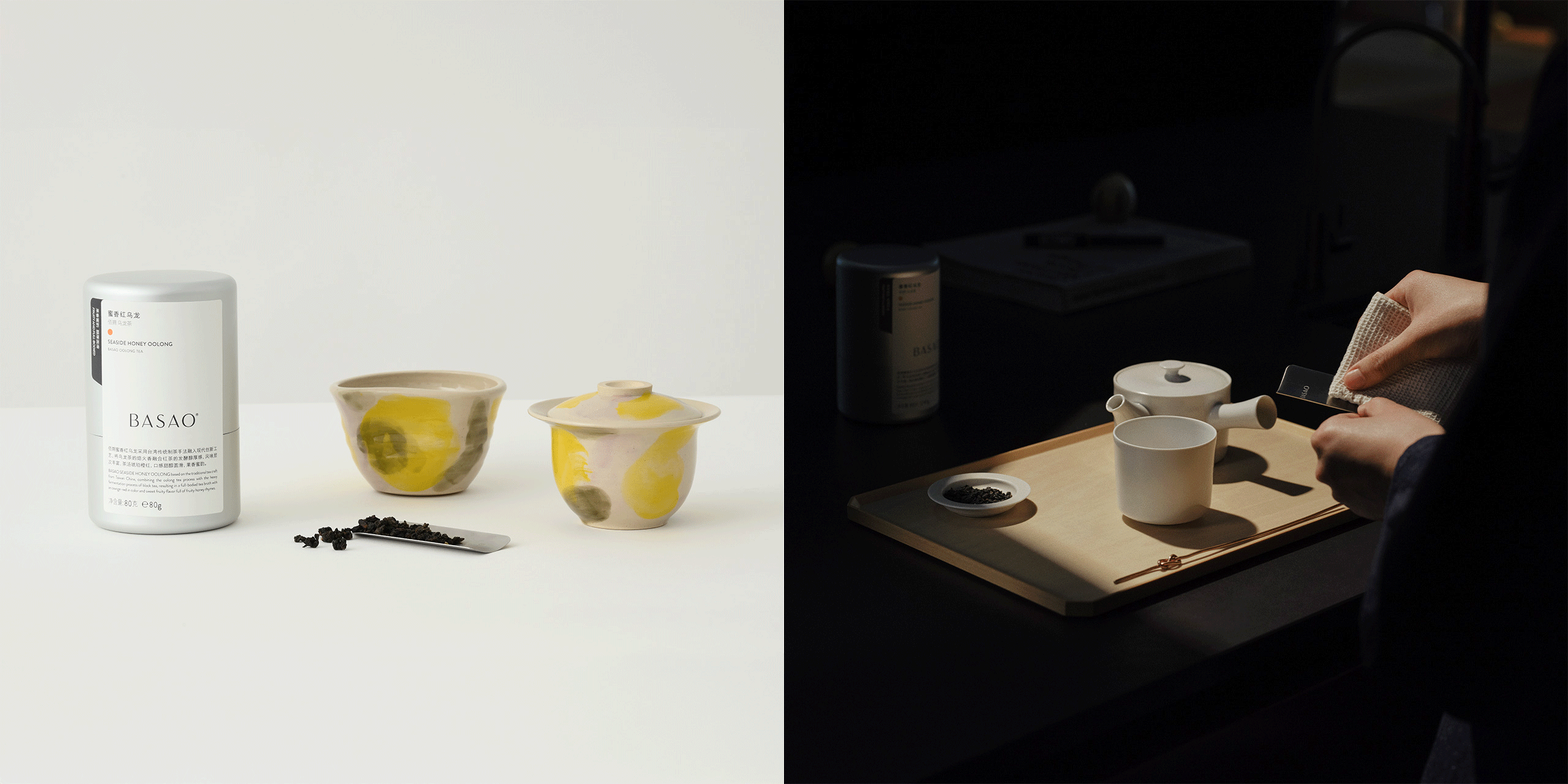
No trip to China – the home of tea – would be complete without savouring at least one cup of pu’er or oolong. Premium tea brand Basao sources many of its leaves from its surroundings in Fujian, a coastal province abutting the Taiwan Strait that’s known for tea cultivation, especially oolong.

Basao has several teahouses across China. The newest in Shanghai was designed by Keiji Ashizawa. It sits inside László Hudec’s iconic True Light Building near Suzhou Creek and forms part of the Rockbund renovation project overseen by David Chipperfield. Visitors with the luxury of time should indulge in a tea ceremony (perhaps after The Entrepreneurs Live next week). But if you’re in a rush to see an exhibition, why not take away a tea caddy of red oolong to enjoy the honey-sweet fruity flavours at home.
basaotea.com


Sponsored by Trunk Clothiers


the LIST: FROM monocle.com

Stories you might have missed

Not been on monocle.com recently? Here are three stories worth your while whether you're a dancer, artist or imitator.

Why can’t young people dance?


Kate Solomon on Gen Z’s reluctance to shake it loose and why we should give them a break.

Why Egypt is on the art world’s radar


Egypt’s most compelling artistic energy comes from independent voices and overlooked institutions.

Can AI make real art – or just great imitations?


Do we need to reframe our definition of creativity?

Monocle Radio: The Monocle Weekly

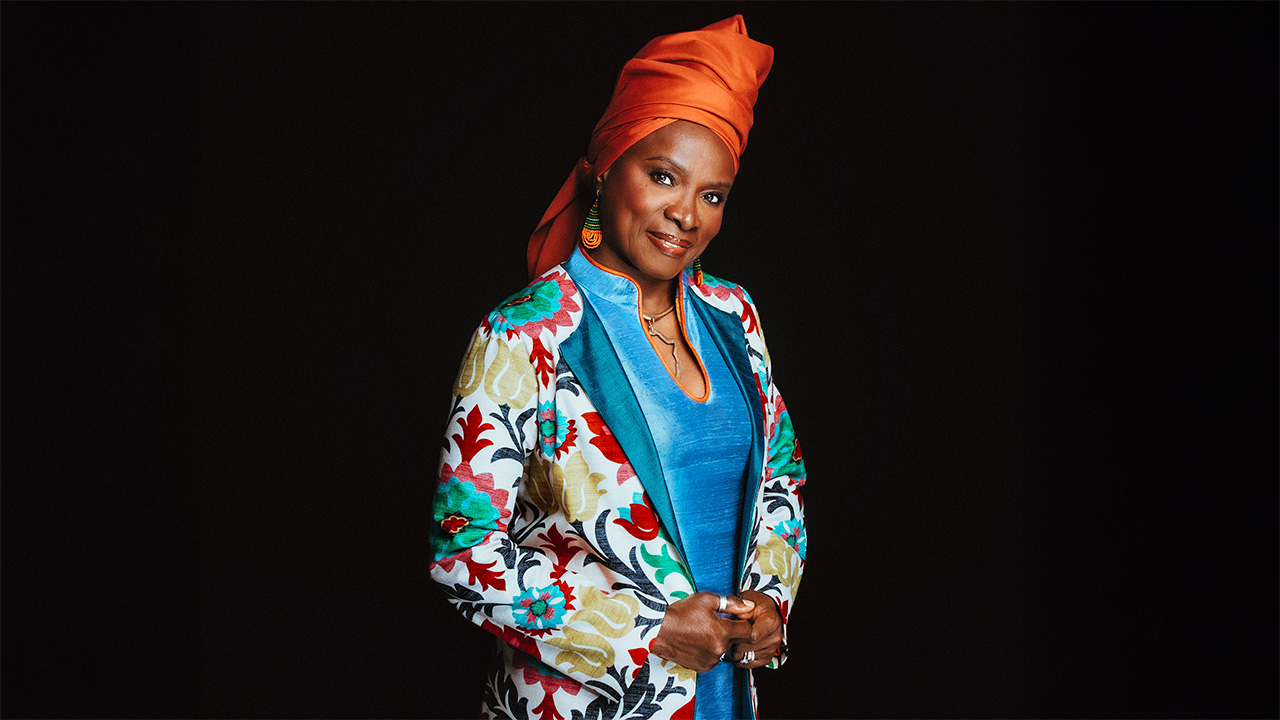
Angélique Kidjo: The queen of African music is back with ‘Hope!!’

We speak with Beninese singer Angélique Kidjo about her new album Hope!!. The influential artist discusses her music and collaborations with Pharrell Williams, Iza and more.


Listen to the episode on monocle.com