Image

Daily News Brief

April 23, 2026

Welcome to CFR’s Daily News Brief. Today we’re covering the latest round of Israel-Lebanon talks, as well as...

  • Germany’s new defense strategy
  • The European Union (EU) approval of a loan to Ukraine
  • A U.S.-Peru fighter jet deal


Top of the Agenda

Israel and Lebanon are sitting down for another round of negotiations in Washington today as a battlefield truce continues to hold. Ongoing diplomatic efforts regarding Israel’s war with Hezbollah in Lebanon come as U.S.-Iran talks showed little progress yesterday. 


Israel-Lebanon diplomacy. Israel and Lebanon are exploring a potential extension of their ten-day truce that is due to expire Sunday, Lebanese Prime Minister Joseph Aoun said. Lebanon will also ask for a halt to Israeli home demolitions in the country’s south and a broader Israeli withdrawal from Lebanon, according to Aoun’s office. For Israel, “peace and normalization” depend on the threat of Hezbollah, Foreign Minister Gideon Saar said. A senior member of Hezbollah’s political council told the Associated Press the group would not abide by agreements reached in the Israel-Lebanon talks.


U.S.-Iran impasse. Following U.S. President Donald Trump’s announcement Tuesday that Washington would extend its truce with Iran, Iranian Parliament Speaker Mohammad Bagher Ghalibaf wrote on social media yesterday that Tehran considers the U.S. blockade of Iran’s coastline a ceasefire violation. White House Press Secretary Karoline Leavitt said yesterday that Trump had not set a specific deadline for Iran to send its next proposal as part of negotiations. As a result of the gridlock, only one ship passed through the Strait of Hormuz yesterday, according to S&P Global Market Intelligence. Trump wrote on social media this morning that he had ordered U.S. forces to “shoot and kill” any boat mining the strait.


Fallout for the U.S. military. Four hundred U.S. service members have been wounded and thirteen killed in nearly two months of war, the Department of Defense said yesterday. Most of the wounded were in the Army. The department also abruptly announced the departure of Navy Secretary John Phelan. A spokesperson gave no reason for Phelan’s exit, and Phelan and the White House did not immediately comment. Multiple news outlets reported Phelan was removed following repeated disagreements over shipbuilding plans and other matters. It marks the second high-profile dismissal since the war’s start after the Army’s top uniformed officer, General Randy George, was fired earlier this month.


“[Trump’s] dilemma remains the same as it was before the ceasefire went into effect: how to translate the degradation of Iran’s military assets into political concessions. Small strikes are not likely to change Tehran’s calculations, while a massive bombing campaign risks a broader and longer war that Trump looks to be trying to avoid.”  

—CFR Senior Fellow James M. Lindsay in an Expert Take


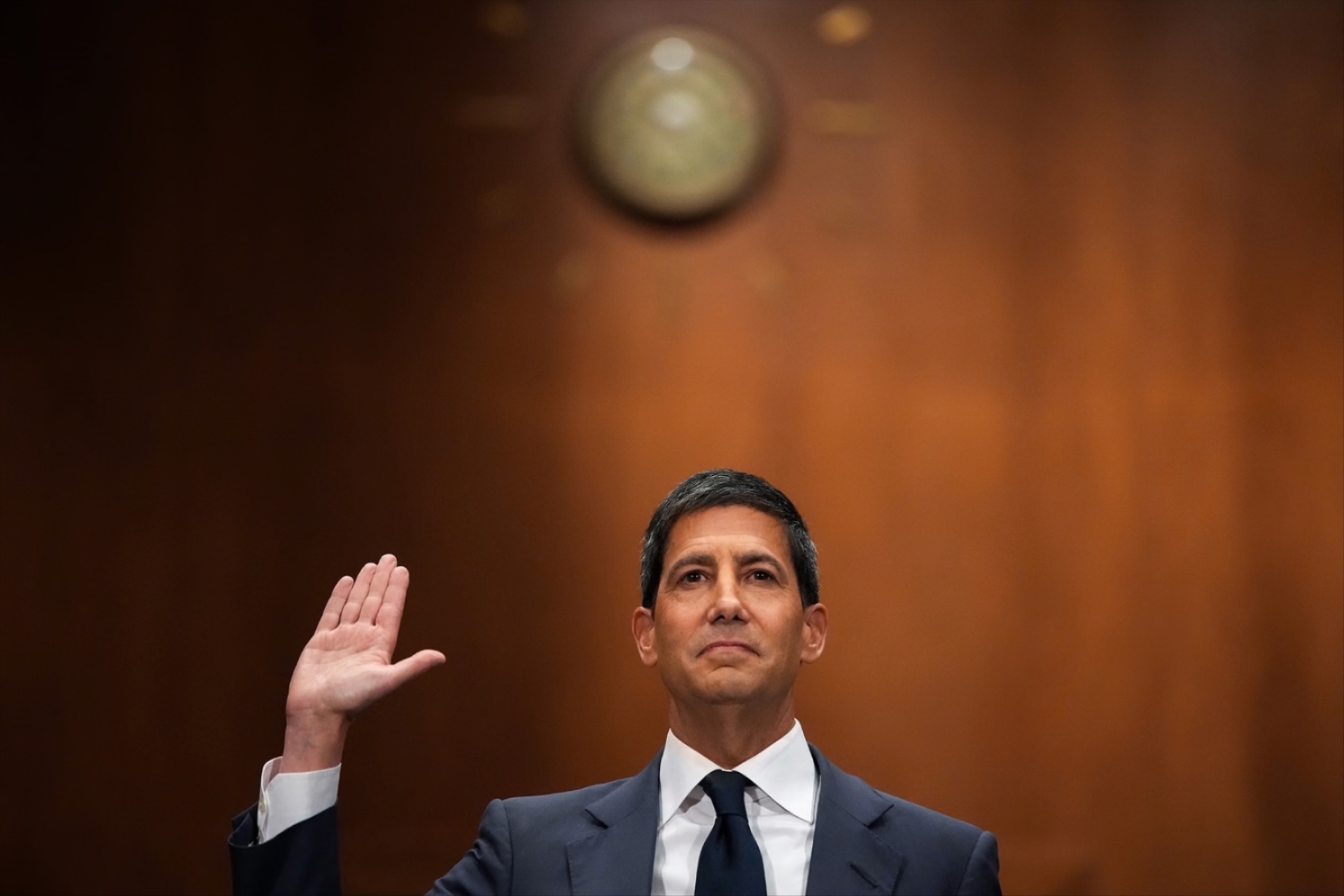
What Kevin Warsh’s Confirmation Hearing Revealed About the Future of the Fed

Kevin Warsh, U.S. President Donald Trump’s nominee for Chair of the Federal Reserve, is sworn in to testify during his Senate Committee on Banking, Housing, and Urban Affairs confirmation hearing in the Dirksen Senate Office Building on April 21, 2026 in Washington, DC.

Andrew Harnik/Getty Images

Trump’s Federal Reserve chair nominee aims to narrow the Fed’s mandate, overhaul its inflation framework, and reduce its reliance on unconventional tools, CFR Distinguished Fellow Roger W. Ferguson Jr. and CFR’s Maximilian Hippold write in this Expert Take. 


Across the Globe

Germany’s new defense strategy. Germany released its first national security strategy since World War II yesterday. In it, the country pledged to take more responsibility for Europe’s defense and called Russia the “greatest immediate threat for freedom and security” in Germany and the Euro-Atlantic region. 


Hungary greenlights Ukraine aid. The EU gave preliminary approval for a $106 billion loan to Ukraine yesterday after Hungary lifted its veto. Hungary’s shift followed outgoing Prime Minister Viktor Orbán’s recent election loss and the restoration of fuel deliveries to Hungary through the Druzhba pipeline, which crosses Ukraine and had been damaged in the war.


Russia blocks oil to Germany. Despite the repairs, Russia will block the flow of oil from Kazakhstan in a portion of the Druzhba pipeline that supplies a major German refinery serving Berlin and the surrounding area, the German government said yesterday. An unnamed Kazakh official told the Financial Times the move was meant to pressure Germany and the EU, though a Russian official and the Kazakh energy minister cited technical reasons.


Traffic surge at Panama canal. Prices for the most commonly used shipping lanes in the Panama canal have reached record highs as companies look for alternatives to Middle East shipping routes. While some slots to transit the canal are pre-booked, others are sold at auction, where prices have jumped almost tenfold since the start of the Iran war, according to data compiled by industrial news site Argus Media.


Peru-U.S. fighter jet deal. Peru made its first payments for U.S. F-16 fighter jets yesterday following the resignation of two cabinet members opposed to a delay in the deal. Interim President José Maria Balcázar had sought to hand the final decision on the deal to his successor, sparking pushback from Washington and some of his cabinet members. The U.S. embassy in Peru said Lima’s temporary delay was not the right way to “do serious, credible business.”


U.S.-Eritrea ties. A U.S. official told Eritrean officials the United States plans to lift sanctions on the country as part of a rapprochement in relations, unnamed current and former U.S. officials told the Wall Street Journal. Eritrea’s Red Sea coastline offers strategic access to a different Middle East oil shipping route than the Strait of Hormuz. 


Duterte’s ICC trial advances. The International Criminal Court (ICC) said today that former Philippine President Rodrigo Duterte will stand trial for alleged crimes against humanity committed between 2011 and 2019. Prosecutors say Duterte was responsible for Philippine security forces’ killings of civilians during that period. Today’s announcement followed a pre-trial hearing. Duterte’s lawyers have argued he is cognitively unfit to stand trial.


Deportations to Paraguay. Paraguay today became the latest country to receive third-country deportees from the United States as sixteen migrants were flown in. The Trump administration has struck similar deportation deals with multiple countries, including Costa Rica, El Salvador, Eswatini, and South Sudan. The administration has spent at least $40 million on arrangements for third-country deportations, a report from Senate Foreign Relations committee Democrats estimated in February. 


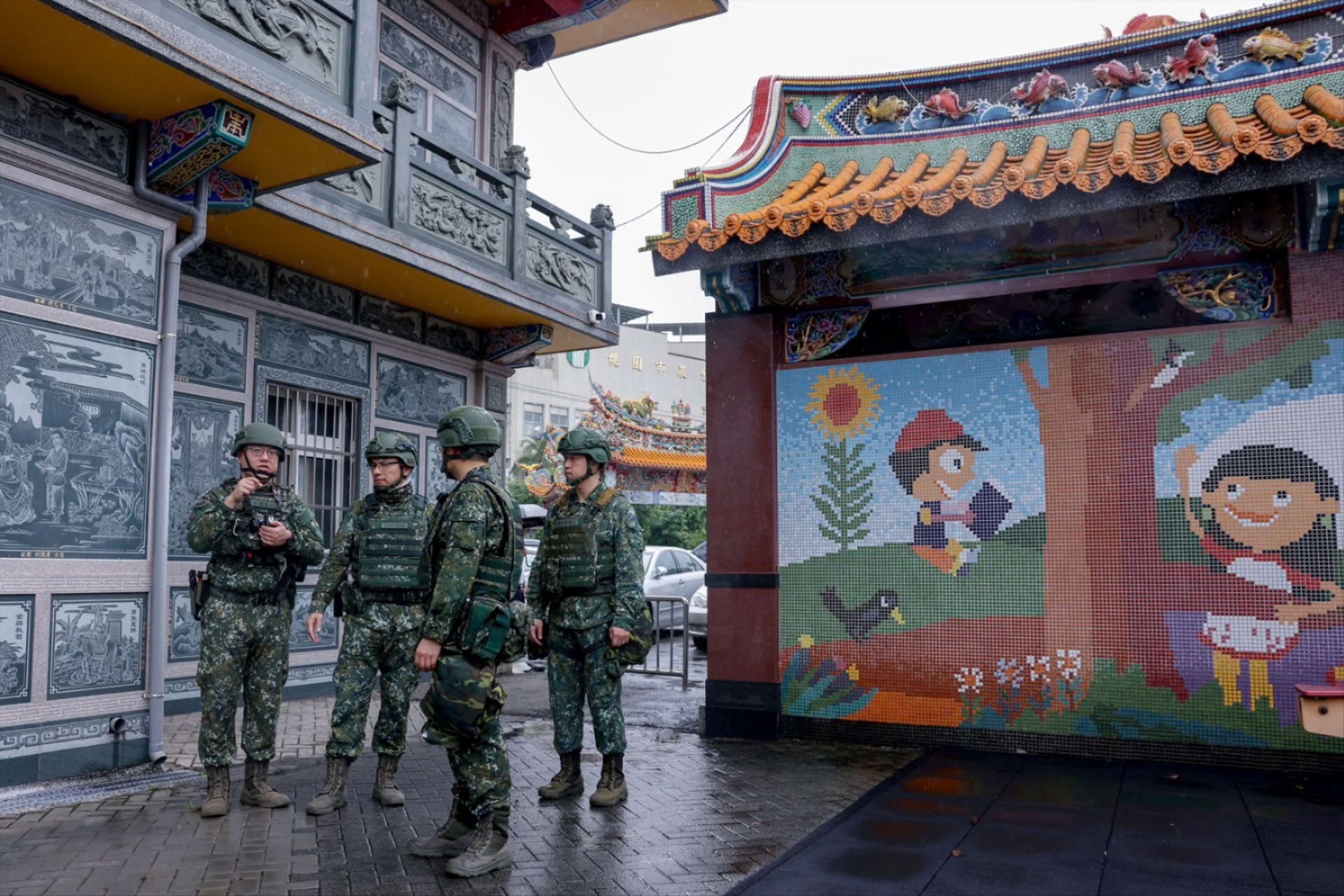
Taiwan’s Political Polarization Is Playing Into China’s Hands

Taiwanese reservists take part in a pre-combat training during Taiwan’s annual Han Kuang military exercise in Taoyuan, Taiwan, July 11, 2025.

Ann Wang/Reuters

Divisions in Taiwan over how to approach China and how closely the island should align with the United States risk undermining important investments in defense and resilience, CFR Fellow David Sacks writes in this Expert Take.


What’s Next

  • Today, EU leaders begin an informal meeting in Cyprus.

  • Today, Pope Leo concludes a tour of Africa in Equatorial Guinea.

  • Tomorrow, French President Emmanuel Macron begins a trip to Greece.


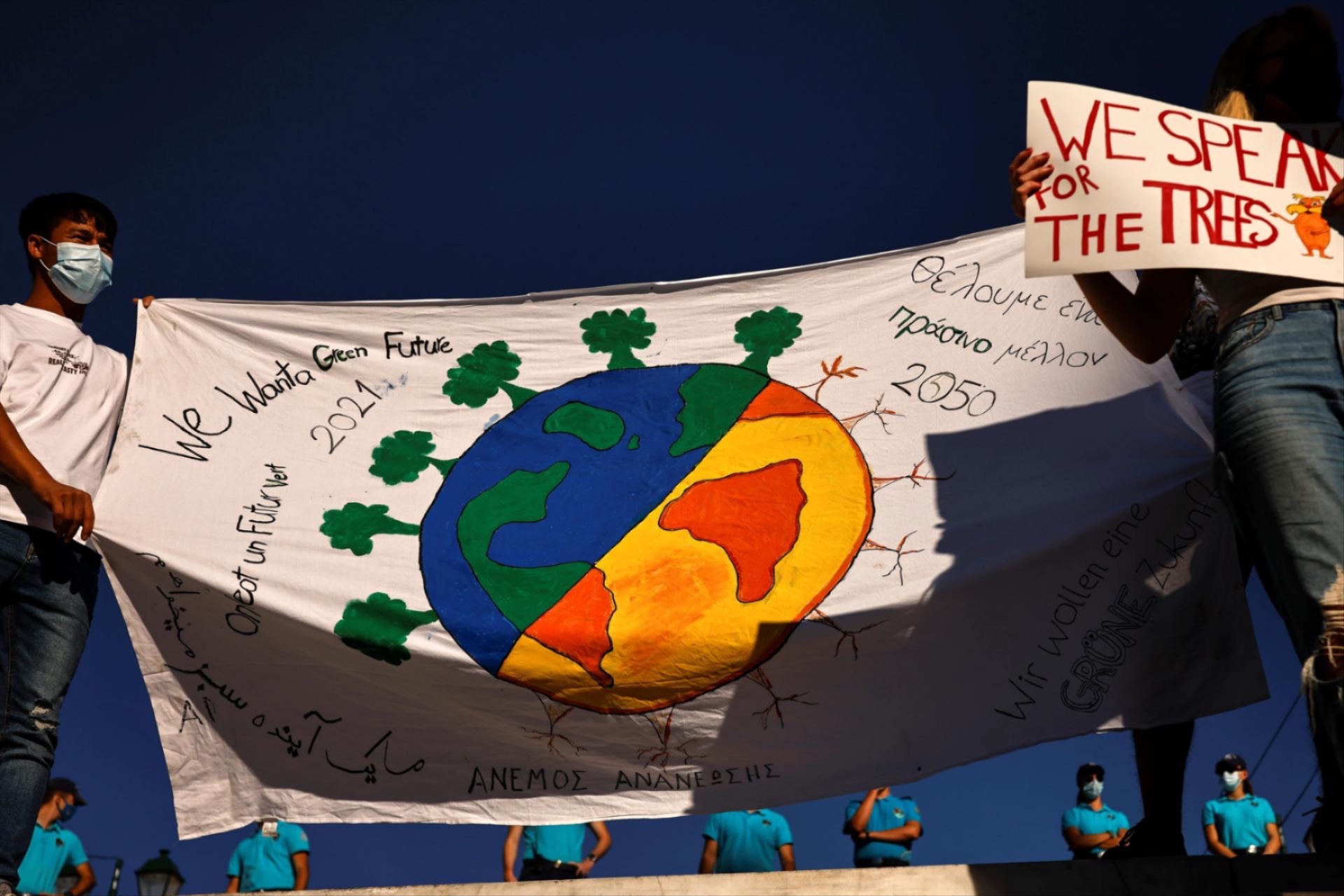
Power and Purpose on Earth Day

Greek students and activists of environmental organisations hold placards, as police stand guard during a Global Climate Strike rally of the movement Fridays for Future, in Athens, Greece.

Alkis Konstantinidis/Reuters

The history of Earth Day offers lessons for policymakers and the public today, CFR Senior Fellows Alice C. Hill and David M. Hart and CFR’s Lindsay Iversen and Angus Sodeberg write in this article.


Council on Foreign Relations

58 East 68th Street, New York, NY 10065