The Week in Breakingviews |
|
| |
|
The Week in Breakingviews |
|
| |
| Insights from Reuters global financial commentary team |
|
|
|
By Peter Thal Larsen, Global Editor
|
|
|
|
Welcome back! It’s a three-day weekend in many parts of the world. I plan to spend it wandering around Venice in the sunshine. Wherever you are, I hope you also enjoy a well-deserved break. As always, get in touch with ideas, feedback, or suggestions. If this newsletter was forwarded to you, sign up here to get it in your inbox every weekend.
Note: Links in this newsletter require a Breakingviews subscription. To sign up for a free trial, click here. |
|
|
“The aggressive bond selloff of the past week coincided with bubbling fears of a fiscal reckoning in the United Kingdom, Japan and even the United States. But the latter didn’t necessarily cause the former.” Read more: Bond selloff is about inflation – not fiscal risks. |
|
|
|
Five things I learned from Breakingviews this week |
- Overseas purchases by Chinese companies are at their highest since 2021. (More durable than in 2016)
-
U.S. power utilities last year spent 50% more on capital expenditure than in 2022. (Don’t mention data centres)
- ASML dominates chipmaking machines but has lower gross margins than semiconductor rivals. (It keeps customers sweet)
- Chinese stocks trade at half the U.S. multiple with the same expected earnings growth. (Investors must be nimble)
- Nintendo expects to sell 17% fewer consoles this fiscal year. (Mario is missing)
|
|
|
|
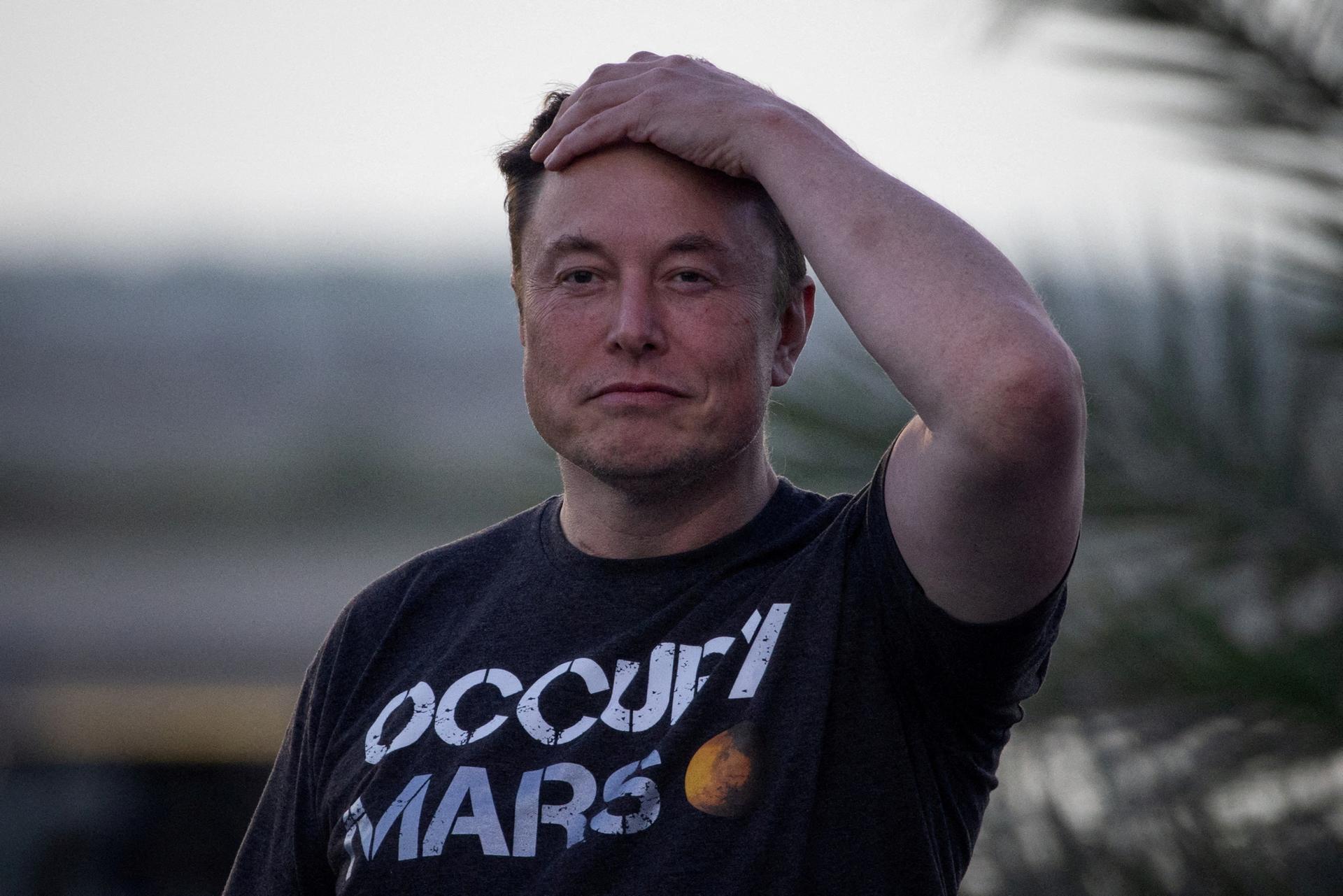
Elon Musk takes part in a news conference at the SpaceX Starbase in Brownsville, Texas, U.S., August 25, 2022. REUTERS/Adrees Latif/File Photo |
Almost a decade ago, my former colleague Rob Cox conjured up a memorable image to describe investors in Snap. The disappearing-message app had just made its stock market debut by selling securities which conferred no voting rights. Buyers of the 2017 offering, Rob argued, were effectively doing what no self-respecting person ever should: wear sweatpants in public. Sartorial standards have evolved since then. The athleisure craze has made it acceptable for people to wander around in exercise gear. Meanwhile, norms of corporate oversight have continued to plummet. Just look at the upcoming stock market listing of SpaceX, set to be the largest ever. Elon Musk’s rockets-to-chatbots venture effectively rejects the idea that anyone buying its publicly listed shares should enjoy any rights at all.
The firm’s 280-page prospectus spells out the Tesla tycoon’s extraordinary grip. Musk has near-total control through his ownership of a special class of stock that carries 10 times the votes of normal shares. He gets to appoint more than half the board and is the only person who can replace himself as chairman or CEO. SpaceX will not have a majority of independent directors, while incorporating in Texas insulates the company from unwanted takeovers, proxy contests, and lawsuits. All this for an entrepreneur whose grandiose claims are, as Rob Cyran points out, at odds with financial reality.
|
|
|
|
This extraordinary arrangement faces no meaningful challenge. Bankers fighting for bragging rights on a record-breaking IPO are uninterested in SpaceX’s governance. Investors are more focused on gaining exposure to what, at a hoped-for $1.75 trillion valuation, could be one of the world’s 10 largest companies by market value. Financiers argue investors can be under no illusions about what they are buying. Besides, this is the only way for ordinary shareholders to gain exposure to the immensely valuable companies being created in private markets.
Yet ditching the notion that there should be any trade-off when selling shares to the public sets an ominous precedent. As Jeffrey Goldfarb notes, a growing number of stock market debutants maintain multiple classes of shares. If Musk succeeds, rival tech tycoons like OpenAI’s Sam Altman will doubtless seek similarly feudal powers. The remorseless logic of index investing will then herd these stocks into millions of retirement portfolios.
Investors should remind themselves what has happened to Snap. Its voteless stock has fallen 93% from its peak in September 2021. Yet co-founder and CEO Evan Spiegel can largely ignore an activist shareholder while pouring billions of dollars into smart glasses. Musk is seeking even more protection at a much larger company. This demands a new standard for sartorial slovenliness. Any self-respecting investor buying into SpaceX won’t just be walking around in sweatpants: they will be donning adult diapers.
|
|
|
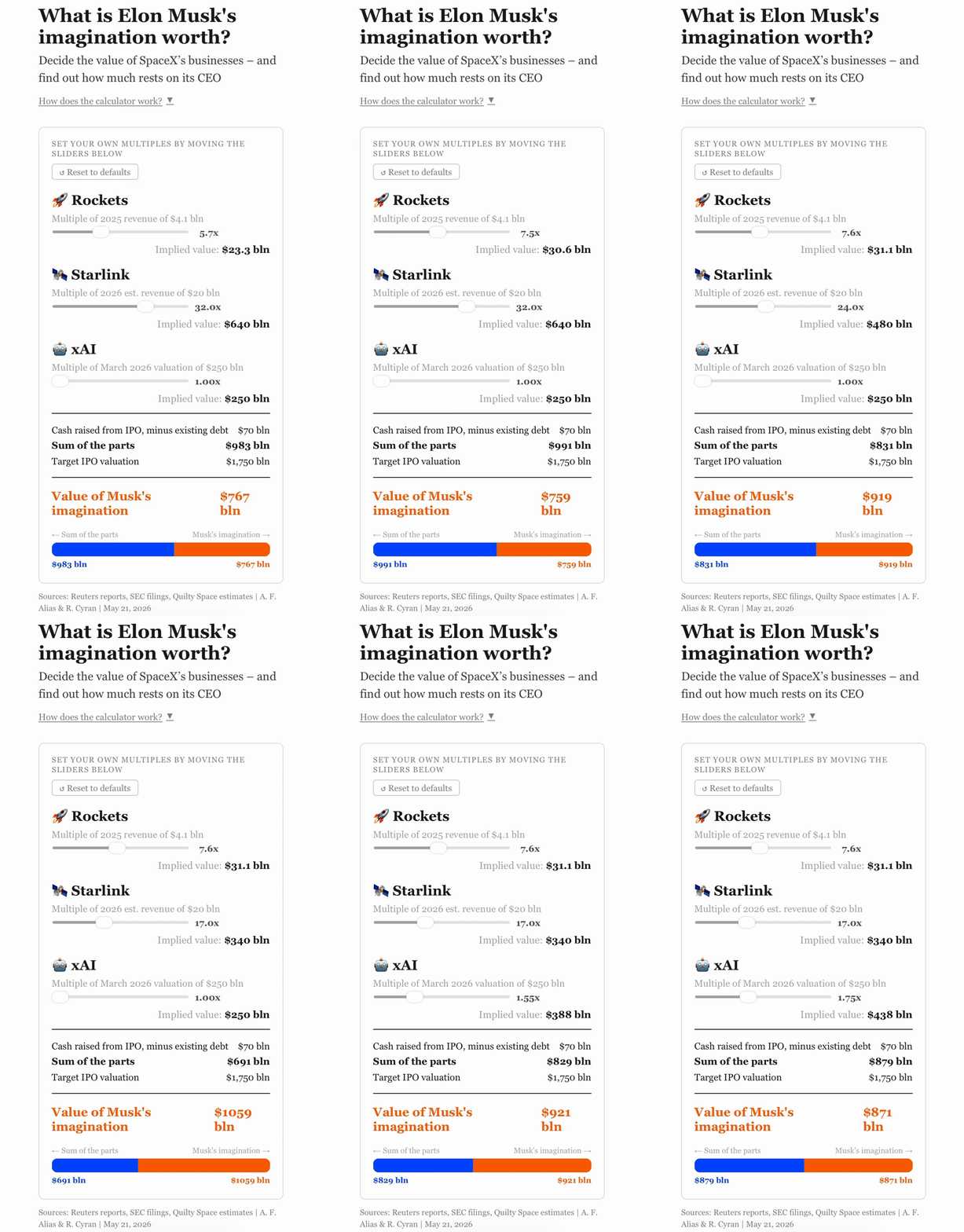
SpaceX has set its sights on a reported $1.75 trillion valuation. By conventional measures, the company’s existing businesses – rockets, Starlink satellite internet, and the xAI social media chatbot unit – don’t come close to that figure. Our new interactive calculator by Afiq Fitri Alias and Rob Cyran lets you decide how much value is in SpaceX’s parts – and how much depends on Elon Musk’s imagination. Give it a spin.
|
|
|
|
Elon Musk likes to talk about cosmic ventures like launching data centres into space, or colonising Mars. Yet are these ambitions feasible? On this week’s episode of |
|
|
|
|