STORIES FROM MOTHER JONES AND ITS PARTNERS |
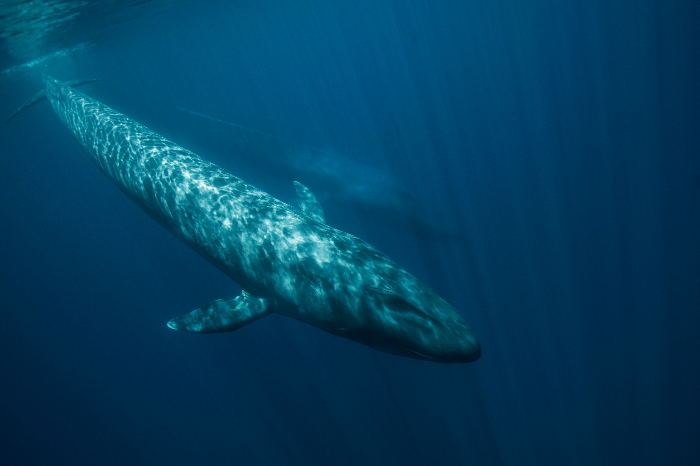
Maxing out at around 200 tons, the blue whale is not only the largest animal on the planet, it’s the largest animal ever to exist. These creatures become so massive by eating a diet comprised almost entirely of krill, the translucent, thumb-sized organisms that thrive in the frigid waters of Antarctica.
But as I reported for Climate Desk partner Yale Environment 360, this food supply appears to be faltering.
Climate change is causing large-scale changes in the Southern Ocean krill population, in some places contributing to declines of as much as 80 percent. Last fall the British Antarctic Survey warned that “dramatic and extreme changes in Antarctica are happening faster than expected,” and the continent could be approaching a tipping point.
Now another possible threat to krill populations is worrying researchers. The concentration of these tiny crustaceans in the Antarctic has attracted supertrawlers from around the world that vacuum up to 1,000 tons of krill per day, and then process the animals onboard into krill oil.
Rich in omega-3 fatty acids, krill oil is used in human nutritional supplements, as food for aquaculture, and in pet food. Thanks to technology that allows large-scale harvesting, the business began to take off about 15 years ago and is now worth as much as $900 million annually.
As Matthew Savoca, a whale researcher at Stanford University, told me, “We might harvest krill to the point where we do real damage to recovering whale populations.”
You can read my story at Yale e360.
—Jim Robbins |