
|
 |



Four years ago tonight, I hit send on the first Civil Discourse post. I had hoped to mark the anniversary with a lighter, or at least a shorter, post tonight. Instead, this Sunday looks like so many before it, where there has been too much at stake to step back. We focus tonight on the new lawsuit challenging Trump's White House cage fights and on Kristen Welker's remarkable refusal to let false claim after false claim go unanswered. But there's something else worth pausing on, even amid the chaos: the sense that has been building over the last few weeks that Trump's grip is loosening. His success was never inevitable. Clearly, it still isn't. Let's stay informed and keep pushing.
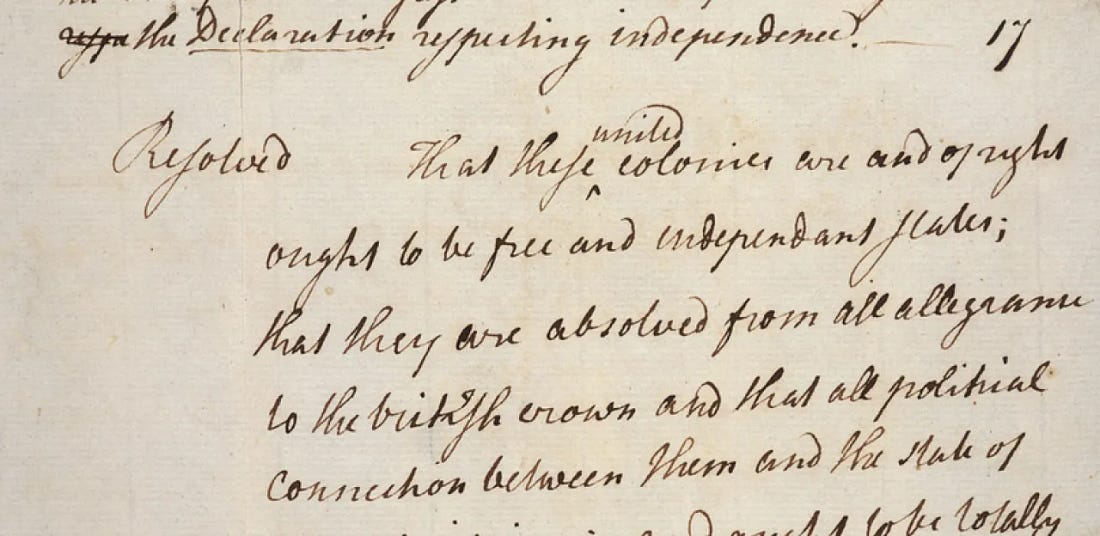
On June 7, 1776, Virginian Richard Henry Lee introduced a resolution in the Second Continental Congress, calling for independence for the American colonies.
 |
By the spring of 1775, King George III was saying that the colonies were “in a state of open and avowed rebellion.” Many colonists were increasingly willing to discuss separation. By 1776, delegates to the Continental Congress began to realize that reconciliation with Britain was not an option.
Lee’s resolution argued “that these united colonies are and of right ought to be free and independent states.” The first part of the resolution was a declaration of independence. Committees were formed to consider the proposal, and one was tasked with drafting a declaration of independence. The committee succeeded in that work, and by early July of 1776, delegates, having spoken with the people in their home states, and were ready to forge ahead.
This year, we celebrate 250 years of No Kings in the United States of America. It will resonate like never before.
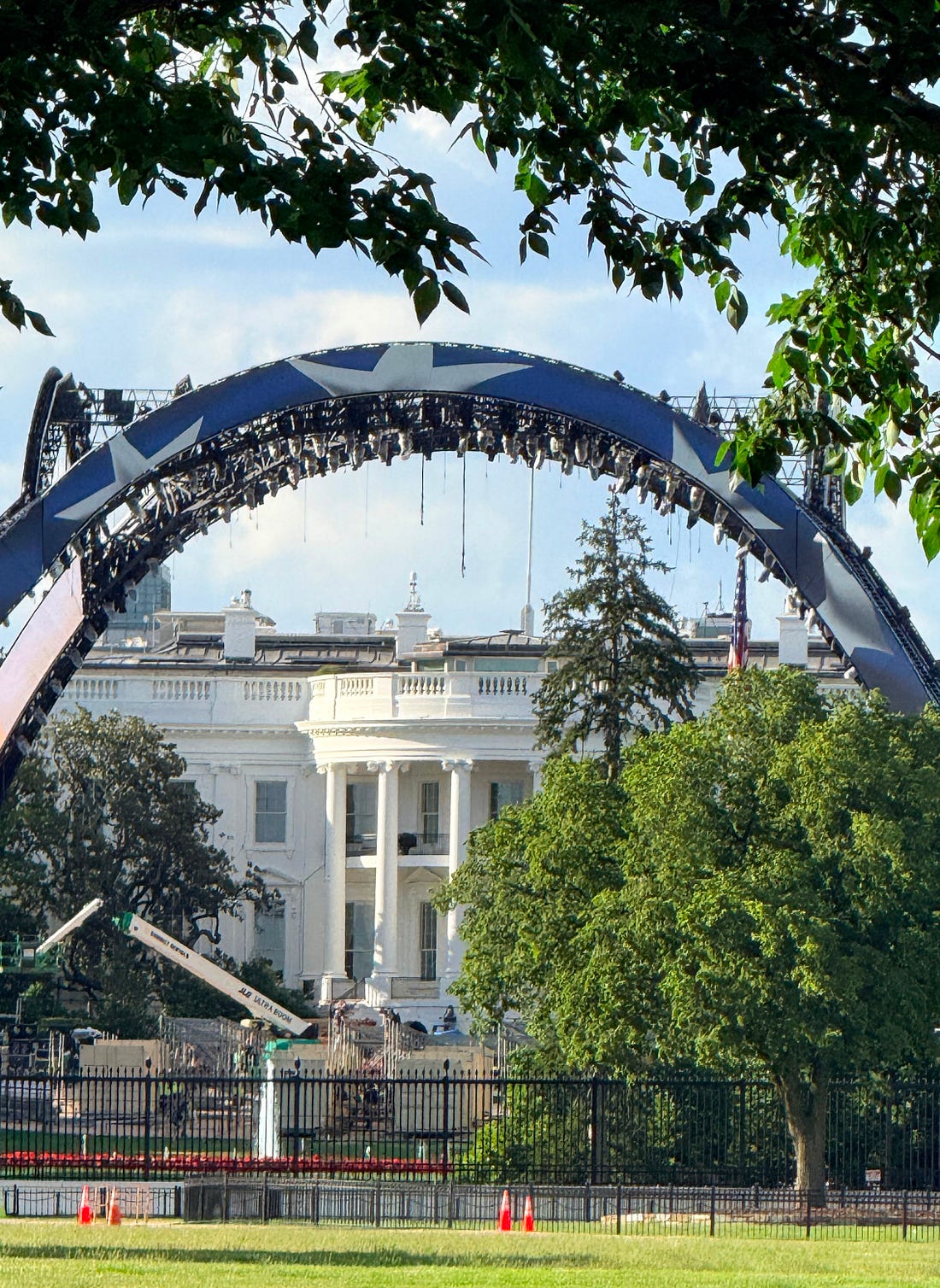
Next Sunday is Flag Day. It’s also Donald Trump’s 80th birthday. Trump is celebrating, as we all know because he constantly promotes it, by building an Ultimate Fighting Championship (UFC) arena on the South Lawn of the White House. It’s called, “The Claw.” I saw it recently and was gobsmacked—not in a good way.
 |
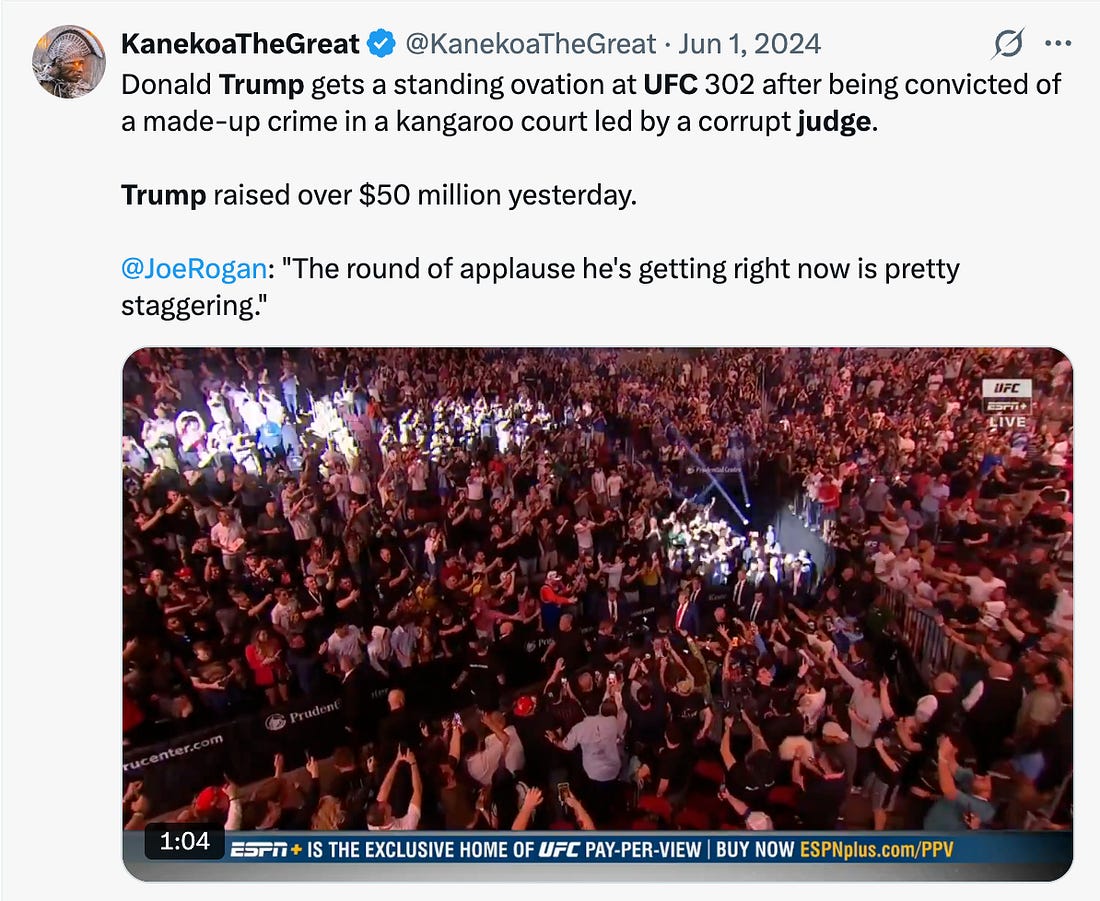
UFC fighting is just the kind of MAGA mythology Trump likes to pursue. He’s a fan, if not of the “sport,” then of the ferocious approval he receives from fighters and spectators alike.
 |
UFC President Dana White has reliably supported Trump through his three campaigns. This is quite a reward for his dedication. White seems confident that the exposure will be profitable for the UFC, although he claims the deal isn’t “transactional.” He’s committed to paying the $60 million construction bill and an additional $700,000 to restore the lawn when the structure comes down.
As for Trump, he needs the bread and circuses energy as a diversion from the high costs his war in Iran has imposed on Americans and his lagging poll numbers. What better way to get it than cage fighting at the White House? The early indications he’s losing his hold on the country, which we’ve been discussing for the last few weeks, continue to grow.
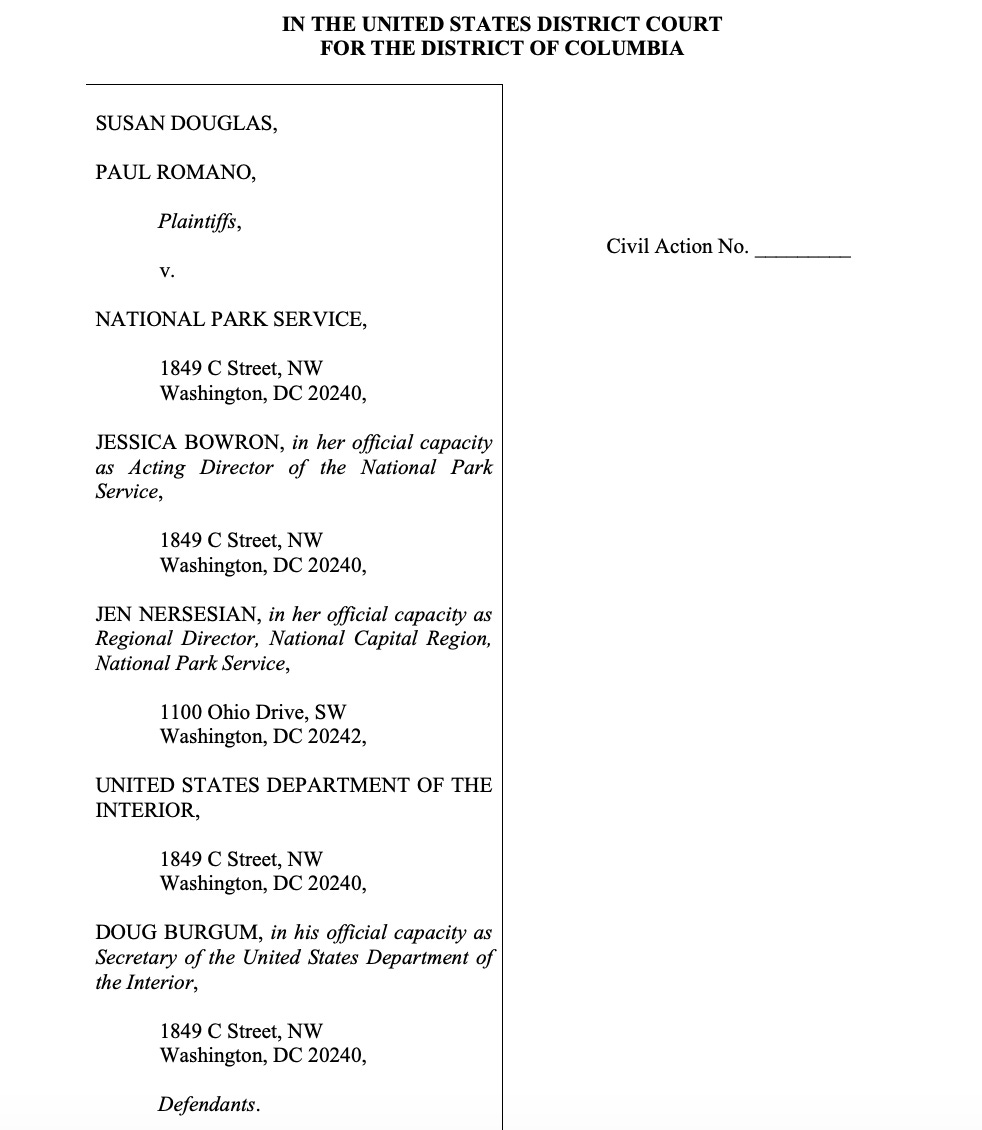
Trump posted a video on TikTok suggesting that, like the Eiffel Tower, which was originally a temporary build for the 1889 World’s Fair, his personal edifice might remain on the White House grounds long after his birthday celebration ends. But a federal judge may have something to say about that. A lawsuit, filed Saturday in federal district court for the District of Columbia by two individual plaintiffs against the National Park Service and other defendants seeks to block the cage matches on Trump’s birthday.
 |
The plaintiffs argue that the whole scheme is illegal and amounts to self-dealing by Trump and his political allies. Some of the details they allege are shocking and should be, even to Trump loyalists in Congress. Like this: “The plan is for fighters to conduct the ceremonial weigh-ins and face-offs at the Lincoln Memorial, make pre-fight walkouts from the Oval Office, and do combat in a massive structure now under construction just steps from the Executive Residence.”
The plaintiffs allege corruption and kleptocracy. The defendants will have the opportunity to respond, paragraph by paragraph. The allegations include:
“The President is giving White and his company what none have enjoyed before: unfettered access to the White House and Lincoln Memorial to stage a private, for-profit sports event, with all the promotional and branding opportunities that accompany such access.”
“The UFC is not being coy about the event’s pecuniary nature. One executive recently called it ‘the greatest earned-marketing tool of all time.’…UFC itself is selling VIP packages for between $1 million and $1.5 million per head…the UFC’s broadcast partner, Paramount Skydance—which is run by two other Trump allies, Larry and David Ellison—has decided that no American will be able to take in this “celebration of America” without first paying $8.99 plus tax for a Paramount Plus streaming subscription.