|
ARS 5-Minute Reads
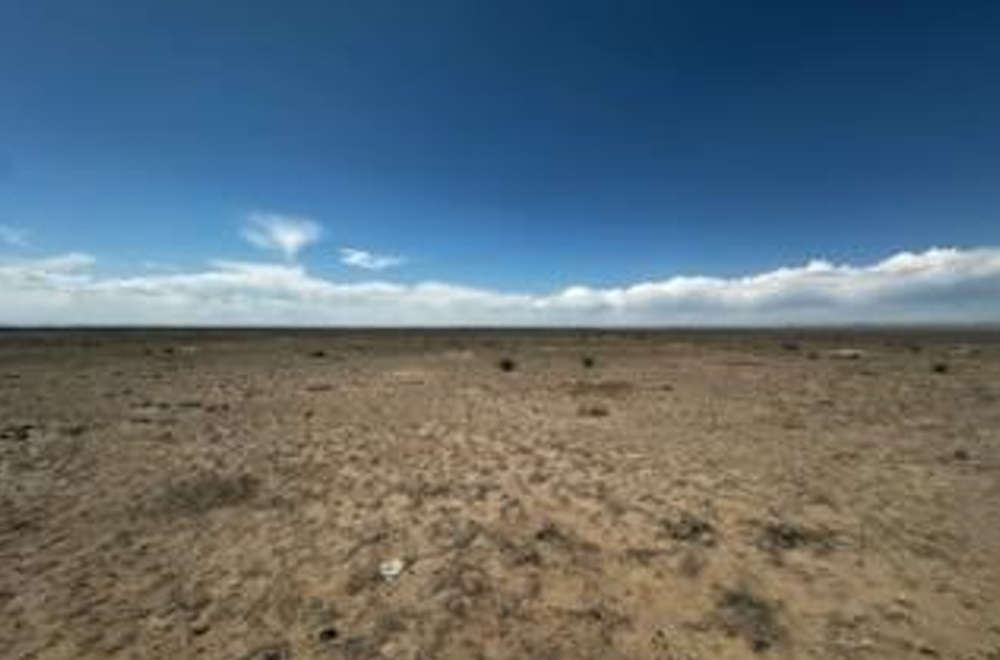
Current drought on the Western Great Plains.
Helping Ranchers in the Western Great Plains Survive a Record Drought
Livestock ranchers in the Western Great Plains operate in an environment with high uncertainty and variability, within and across years, regarding precipitation, extreme weather, and market conditions that impact economic returns. Crop farmers in these same environments can alter their cropping choices, adjust irrigation amounts and timing, and move from irrigated to dryland cropping systems. Ranchers, however, have far fewer management options, as they depend almost entirely on soil‑stored moisture to grow the forage that sustains their herds, leaving them more vulnerable to drought.
During the winter of 2025–2026, northeastern Colorado endured some of the highest temperatures and driest conditions in more than a century, surpassing even some Dust Bowl–era records. This extreme drought has pushed ranchers to consider very difficult decisions to save their herds, preserve their lands, and maintain their livelihoods. Learn more...
|
|
The Agricultural Research Service is the U.S. Department of Agriculture's chief scientific in-house research agency. Daily, ARS focuses on solutions to agricultural problems affecting America. Each dollar invested in agricultural research results in $20 of economic impact. |
|
|
Interested in reading more about ARS research? Visit our archive
U.S. DEPARTMENT OF AGRICULTURE
Agricultural Research Service
|
|
|
|