| | Iran and Israel halt strikes on each other, a joint Germany-France fighter jet project dies, and chi͏ ͏ ͏ ͏ ͏ ͏ |
| |  | Flagship |  |
| |
|
The World Today | 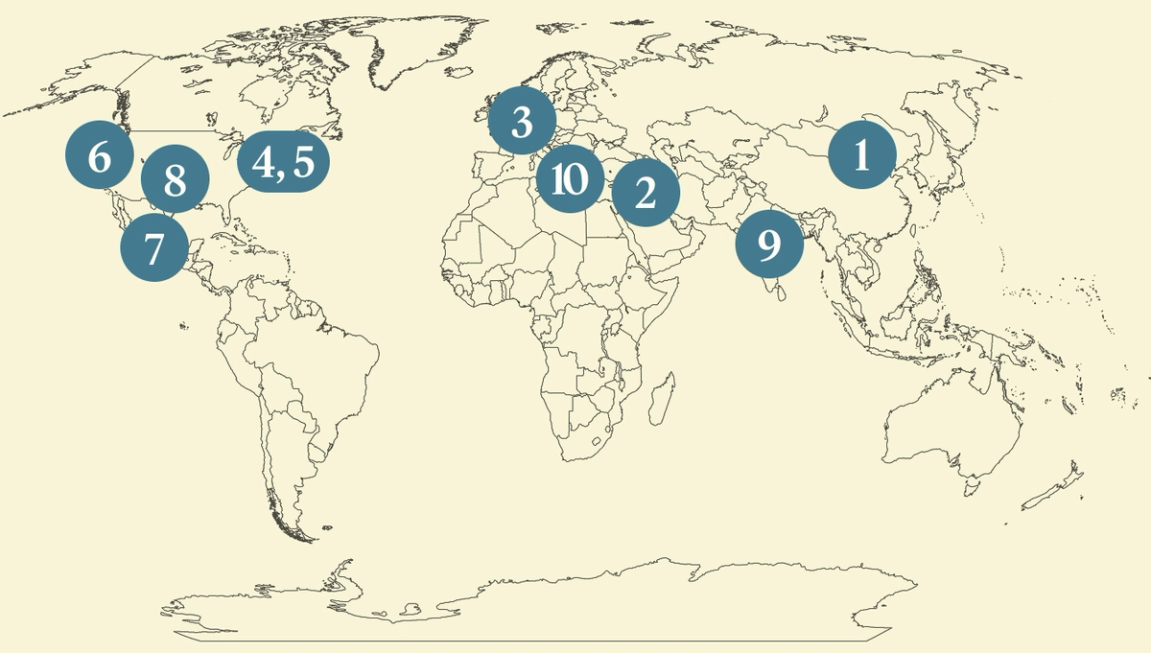 - Alibaba on Pentagon blacklist
- Israel, Iran stand down
- Europe’s defense setback
- US chip stocks rebound
- Wall St. woos with SpaceX
- Siri gets AI upgrade
- US becomes a soccer nation
- Waymo batteries for grid use
- Detecting phone scams
- First video of Med shark
 An eminent American historian’s work is “mandatory reading.” |
|
Pentagon blacklists China tech firms |
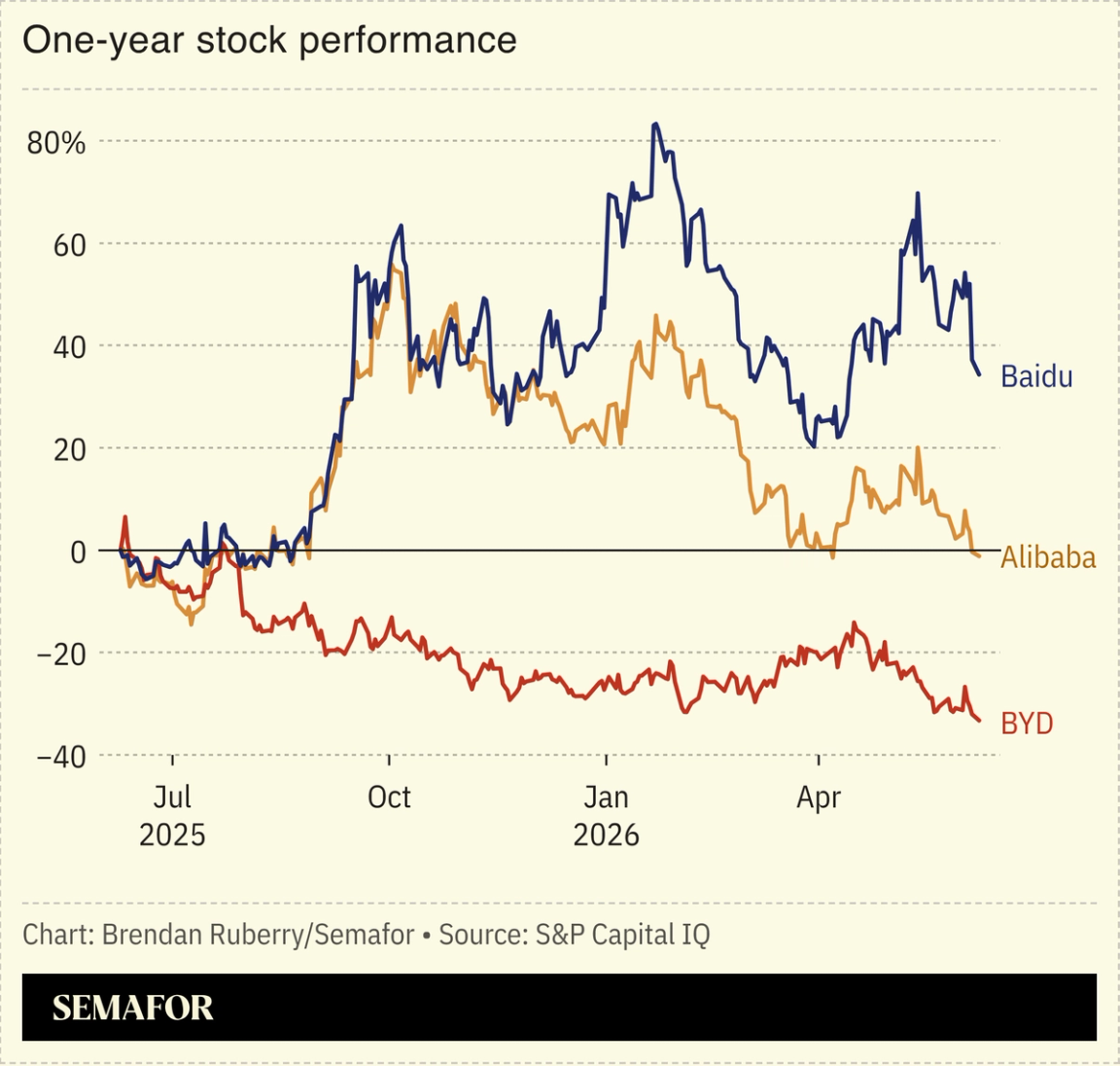 The Pentagon on Monday added some of China’s biggest companies to a blacklist of firms accused of aiding Beijing’s military, a move likely to stir tensions between the superpowers. The entrants to the 1260H list include tech giants Alibaba and Baidu, EV behemoth BYD, a leading robot-maker, and a top biotech firm. While the list doesn’t automatically trigger sanctions, it complicates companies’ ability to work with the US government, and creates reputational risk. Washington had previously released the list in February, only to unpublish it minutes later, underscoring how the Trump administration has proven “at odds with itself” over its approach to China, Bloomberg wrote. |
|
Iran, Israel stop attacks for now |
 Iron Dome interceptions in Israel. Ayal Margolin/Reuters Iron Dome interceptions in Israel. Ayal Margolin/ReutersIsrael and Iran halted strikes against each other on Monday after a flareup over the weekend, though they both vowed retaliation if the other resumed strikes. US President Donald Trump said the Middle Eastern foes were “looking to do an immediate ceasefire,” after he urged Israeli Prime Minister Benjamin Netanyahu to stop attacks on Iran; Israel was planning a “significant attack” in Tehran before Trump called Netanyahu, CNN reported. The Islamic Republic likely feels that “Trump’s appetite for risk is currently low,” a BBC correspondent wrote, which could give Tehran a sense of leverage in negotiations as it presses Washington for sanctions relief. |
|
Germany-France fighter jet project dies |
 Charles Platiau/Reuters Charles Platiau/ReutersGermany and France on Monday scrapped a landmark project to jointly develop a next-generation fighter jet, a core component of Europe’s rearmament effort. Lingering disagreements between defense contractors in the two countries ultimately killed the deal. The death of the program, launched in 2017, underscores the difficulty for Europe’s largest countries to unify around complex industrial goals, even when they agree on the urgency to counter Russian aggression and build defense systems independent of the US. “It’s hardly ideal signalling either to Washington or to Moscow,” an aerospace expert said. Other multinational defense programs in Europe, including drone and tank projects, have also faced hurdles in recent years. |
|
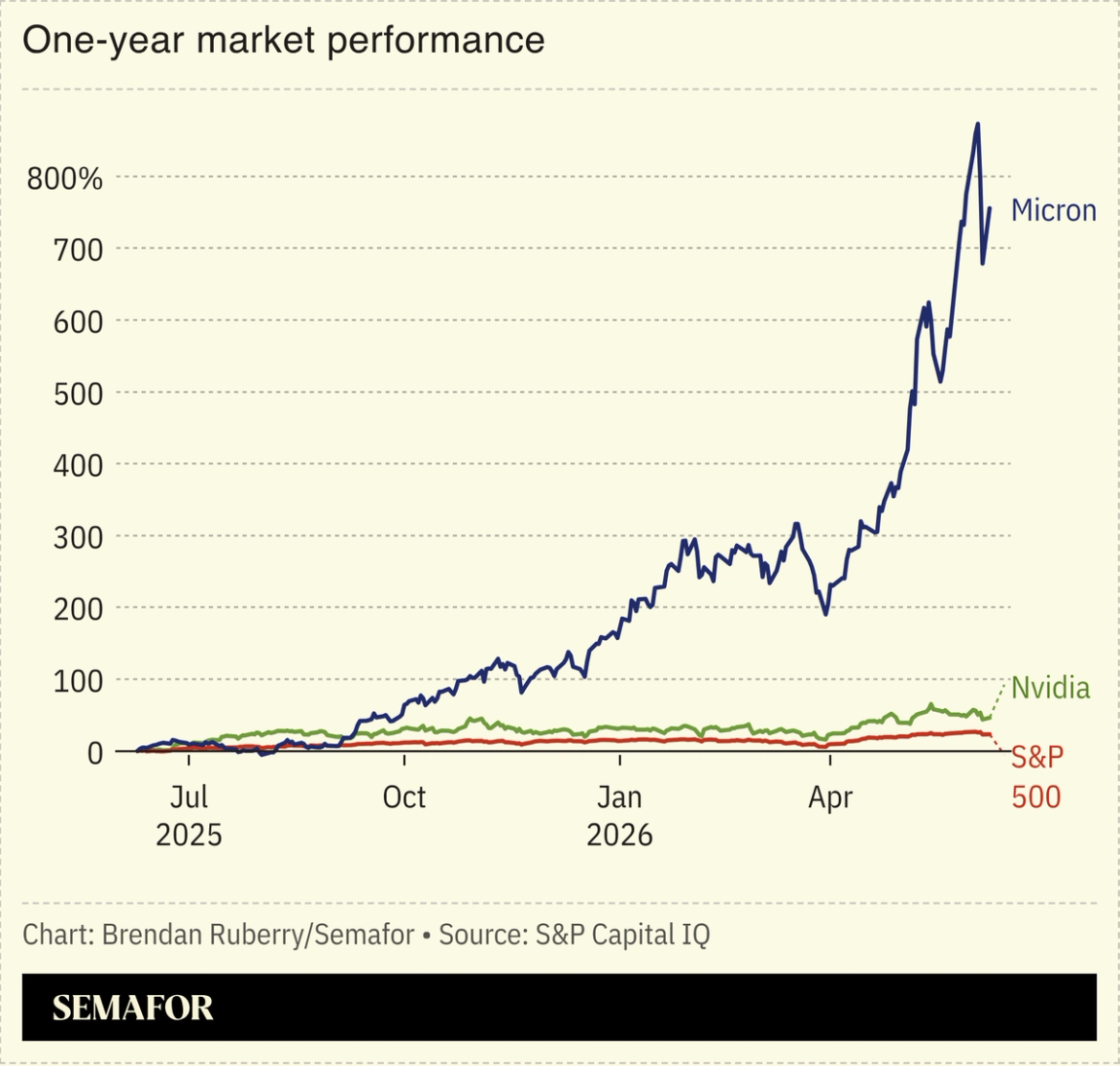 Chip stocks rose more than 5% on Monday, following a selloff last week that knocked off more than $1 trillion in market value. The rebound was a sign that the AI-powered bull run isn’t coming to an end any time soon. “A correction was inevitable and ultimately healthy,” a Morgan Stanley executive said. Nvidia’s CEO pitched the selloff as a buying opportunity, saying we’re only “at the beginning” of the AI moment. The stock boost comes at a pivotal time for the US tech sector: SpaceX is expected to begin trading on the Nasdaq Friday in what could be the world’s largest IPO, and OpenAI on Monday confidentially filed to go public, following its rival Anthropic. |
|
SpaceX IPO a boon for banks, ultrarich |
 Steve Nesius/Reuters Steve Nesius/ReutersSpaceX’s public market debut, expected on Friday, will create remarkable wealth — but only a sliver of investors will reap the bulk of the gains. Like with many IPOs, most individual investors won’t get in at the offering share price, which usually delivers a first-day pop before fizzling out. That presents an opportunity for the ultra-rich, who are expected to comprise a large part of the $22.5 billion SpaceX has earmarked for retail investors. Banks and brokerages — expecting a $500 million windfall in fees from the IPO — are using SpaceX to bolster relationships with high-net-worth clients, The New York Times reported: JPMorgan, Morgan Stanley, and Bank of America have hosted special events centered around the IPO. |
|
Apple shares fall on Siri’s AI upgrade |
 Carlos Barria/Reuters Carlos Barria/ReutersApple on Monday announced an AI-driven overhaul of its Siri voice assistant, but the long-awaited rollout left investors underwhelmed. Shares in the US tech giant fell nearly 2%; many of the new AI features Apple announced were similar to advances that were previously unveiled and delayed, and are central to Apple’s efforts to catch up to its Silicon Valley peers in the AI race. The updated, more personalized Siri will only be released as a beta test this fall, and the company signaled that regulatory hurdles could delay the release in China and the EU. Still, analysts caution against counting Apple out, given its major advantage in hardware and branding. |
|
World Cup energizes US soccer fans |
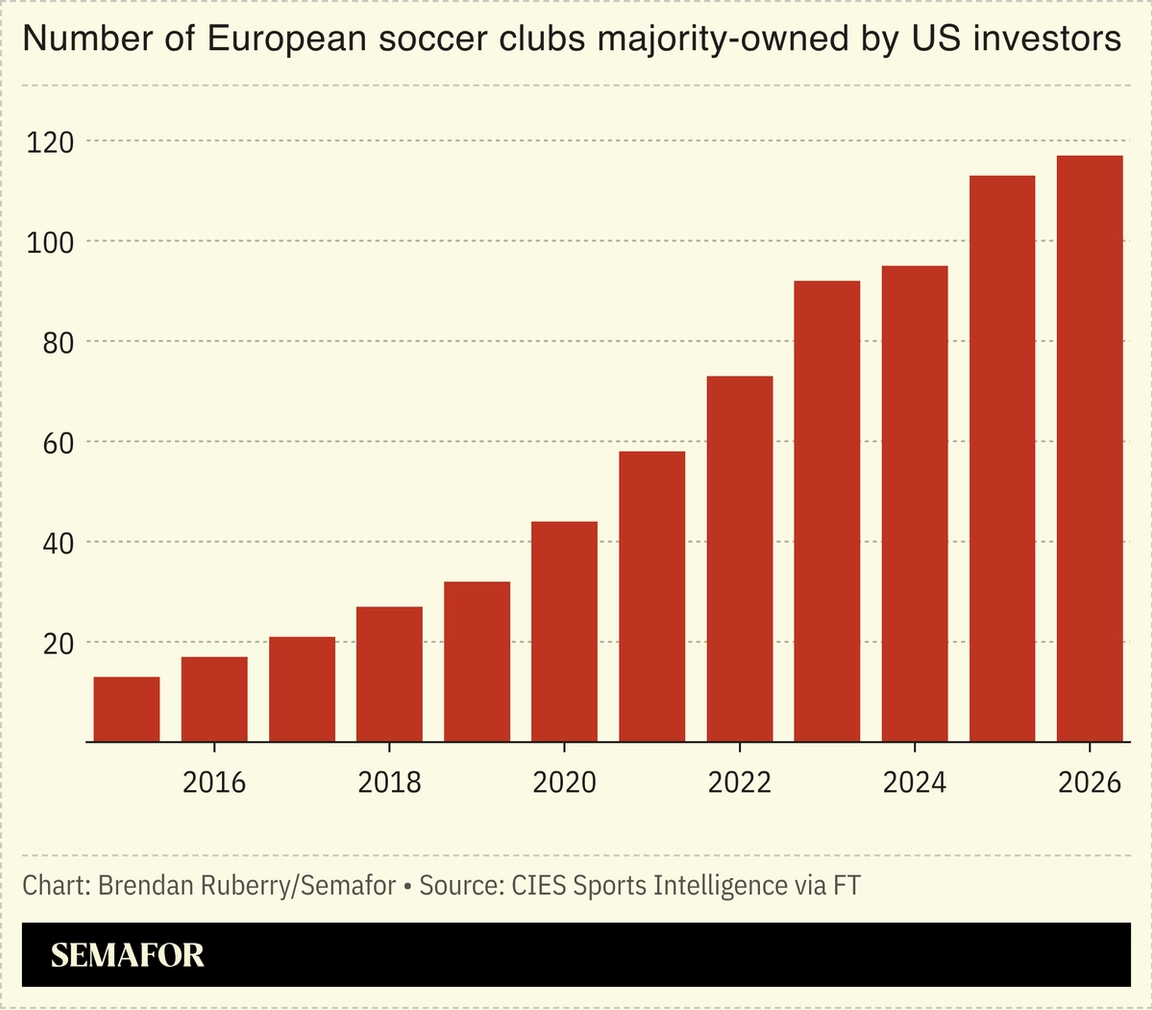 The first FIFA men’s World Cup on North American soil since 1994 could transform the sport’s profile in the world’s largest economy. Long considered a secondary sport in the US, soccer has gained on the back of higher domestic investment and advances into the cultural mainstream: Argentine superstar Lionel Messi joined MLS in 2023, supercharging attendance and revenue, while Apple TV’s Ted Lasso has turned casual viewers into Premier League fans. But “pretournament enthusiasm and sustained fandom are different things,” Forbes noted: Few professional sports after the NFL have flourished in a fragmented media landscape, and US hotel bookings currently lag World Cup co-hosts Mexico and Canada, with fans “shut out” by exorbitant costs, a travel executive said. |
|
Waymo’s batteries used for grid storage |
 Mario Anzuoni/Reuters Mario Anzuoni/ReutersWaymo signed a deal to use its old EV batteries for grid storage capacity. Given the thousands of robotaxis in Waymo’s fleet, it could mean hundreds of megawatt-hours of capacity for local grids, a Waymo executive told Ars Technica. EVs have been crucial in the growth of grid storage, sometimes directly — houses can use their car as a home battery — but mostly by pushing battery technology forward. Battery prices per kWh have plummeted nearly 99% since 1991, driven at first by consumer electronics but later by the rise of EVs and the need for cheap batteries to provide range at reasonable prices. Energy density, how much energy a battery can store for its volume, has also more than tripled since the 1990s. |
|
Android phones to detect scams |
Google announced that its Android phones will soon come with automated protection against scam phone calls. AI deepfake phone calls, mimicking a caller’s number and voice, are regularly used in scams, and the growth of such spoofing has led some regulators to advise Android users to avoid using their phones for big transactions, Ars Technica reported. The new system would send encrypted confirmation messages to the purported caller’s phone to check that it’s really them. AI is accelerating both cyberattack and cyberdefense — Anthropic’s Mythos is revealing and fixing code vulnerabilities across major websites right now — but the biggest vulnerability in any security system is the user, and this is a tool to partially plug that hole. |
|
First video of great white shark in Med |
 Ho New/Reuters Ho New/ReutersA diver captured what is believed to be the first underwater video of a great white shark in the Mediterranean. White sharks are usually associated with oceanic waters, but the Med has a small, genetically distinct population. They are rare and infrequently sighted, especially in adulthood when they tend to stay in deeper waters. The US East Coast population of great whites has rebounded in recent years, and California’s has stabilized after years of collapse, but the Med’s sharks face possible extinction: It is the most heavily fished sea in the world, and endangered, protected sharks regularly turn up in North African fish markets, the BBC reported in December. More than 40 great whites were killed by fishermen there in 2025 alone. |
|
|