Plus, BMW loses its shine

Get expert insight into the technologies and trends shaping the global automotive industry on Reuters.com. Subscribe for $1/week.


Auto File

Auto File

By Nick Carey, European Autos Correspondent

Greetings from London!

The Iran war has been good news for EV makers in Europe as consumers balk at fresh pain at the fuel pump – though there is debate over whether interest in electric cars will persist as oil prices drop. 

Meanwhile, fresh May sales data from New Automotive and industry group E-Mobility Europe paint a dramatic picture of the electric vehicle divide in Europe.

Fully-electric cars made up nearly 80% of new car registrations in Denmark in May, almost 50% in Finland, over 40% in the Netherlands and Sweden – and almost 30% in France. EVs are firmly ensconced in northern and western Europe and the dream of 100% electrification in looks doable in the not-too-distant future.

But data from southern and eastern Europe show how far much of Europe has yet to go. Registrations of EVs in Italy have doubled year to date… but to just 6.1% of total sales.

EVs made up 6.6% of total registrations in the Czech Republic in May and just 4.1% in Poland.

Charging infrastructure is poor in southern and eastern Europe and EVs remain too expensive for many car buyers.

Bridging that chasm will take a long time.

Which brings us to today’s Auto File…

Today

  • Ford’s dumps electric Qashqai  
  • BMW’s China pain 
  • More suffering at Lucid  


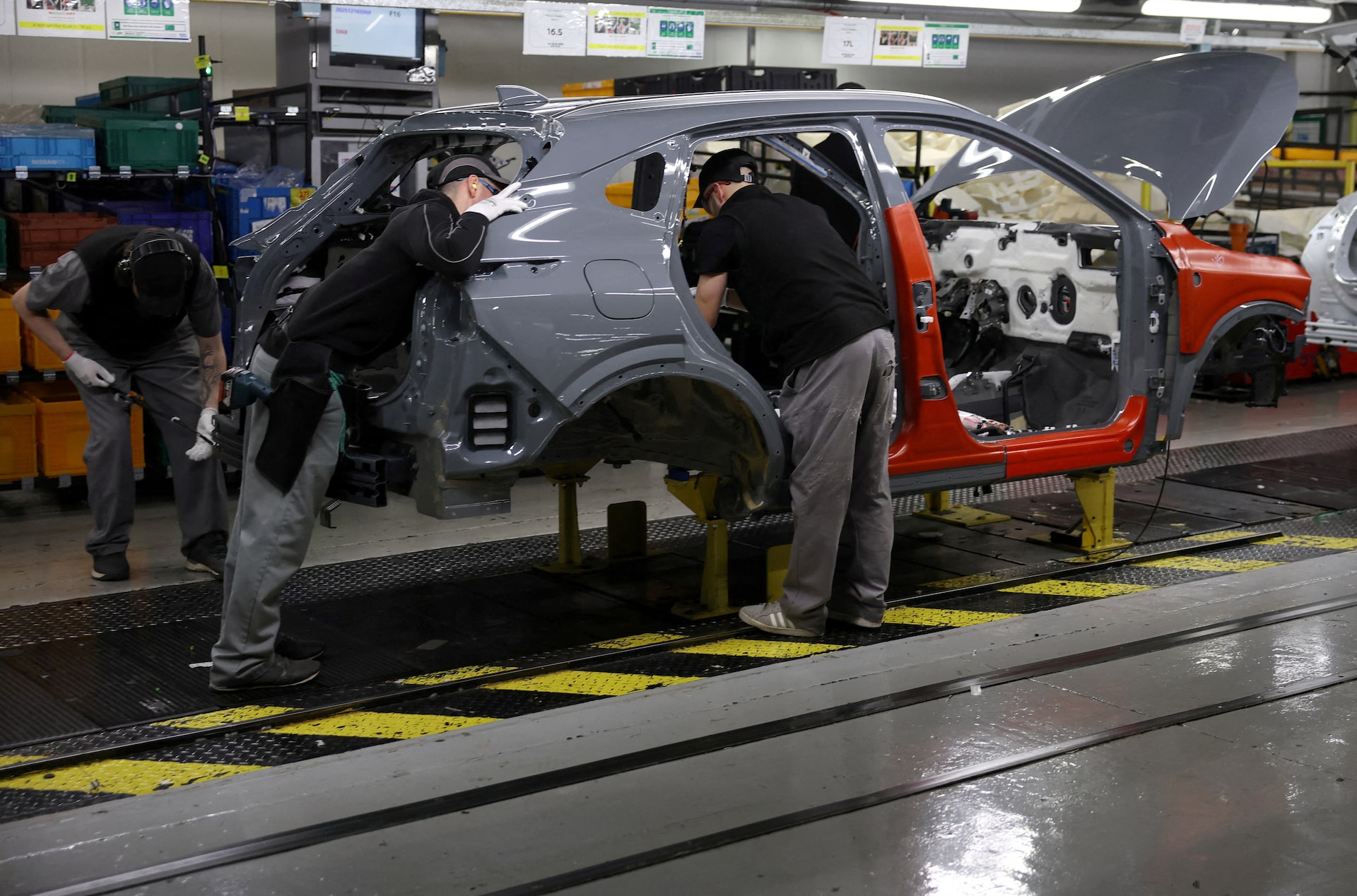
The electric version of the Nissan Qashqai is on hold - REUTERS/Phil Noble.

Bye-bye electric Qashqai?

Less than three years ago, Nissan said it would spend close to $1.5 billion to build electric versions of existing models at the Japanese automaker’s UK plant, including its European top seller, the Qashqai.

But Reuters colleagues Daniel Leussink and Maki Shiraki report that Nissan has quietly halted development of the electric Qashqai as part of the company’s global dash to conserve cash. And if Nissan decides to resurrect the electric Qashqai plan, it would not come to market until the early 2030s.

You can read all about it here.

Conserving cash by ditching excess capacity as Nissan has done by selling its South African factory to China’s Chery, makes sense. As does talking to Chery about renting half of its Sunderland factory in the UK or lobbying the British government to push back its EV sales mandate.

Nissan needs to save money. But ditching investment in a key future product at a time when EVs are part of Europe’s competitive environment – with more electric models arriving all the time – is a striking choice.

If EVs remain anywhere near their current trajectory, possibly launching an electric Qashqai in the early 2030s could be too little too late.


Essential Reading

  • Sweden may oppose Tesla’s FSD in Europe 
  • Tata Electronics hit by cyber attack 
  • Hormuz flows push down oil prices


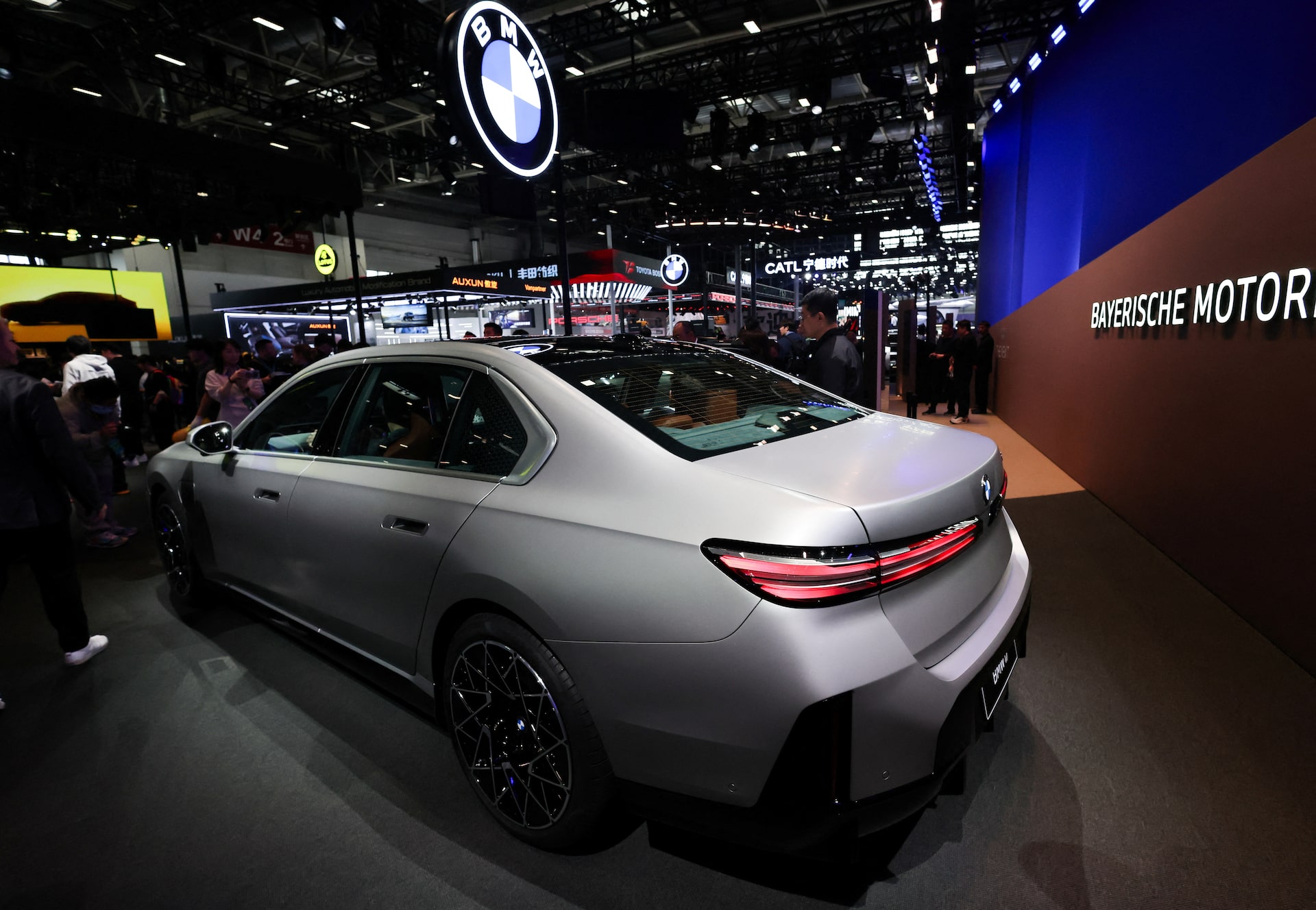
BMW has problems in China - REUTERS/Maxim Shemetov.

BMW hurting in China

Investors are unhappy with BMW after it slashed its profit outlook for 2026, which it blamed on an accelerated downturn in China and the U.S.-Israeli war with Iran.

This is not the first time BMW has blamed a profit warning on China and something else. In 2024, for instance, the German premium automaker blamed a supplier problem.

This time, the shine is off for BMW, which Deutsche Bank analysts said has had a reputation as being "steady Eddy" versus its peers.

While the company’s chairman insists BMW is on the “right track” with its Neue Klasse electric models that have yet to hit the Chinese market, shareholders disagree.

BMW’s shares are now down 35% year to date.

The true scale of the problem German automakers face in China is only now coming into focus.

Under fresh pressure to cut costs, BMW and staff representatives are now readying for talks.


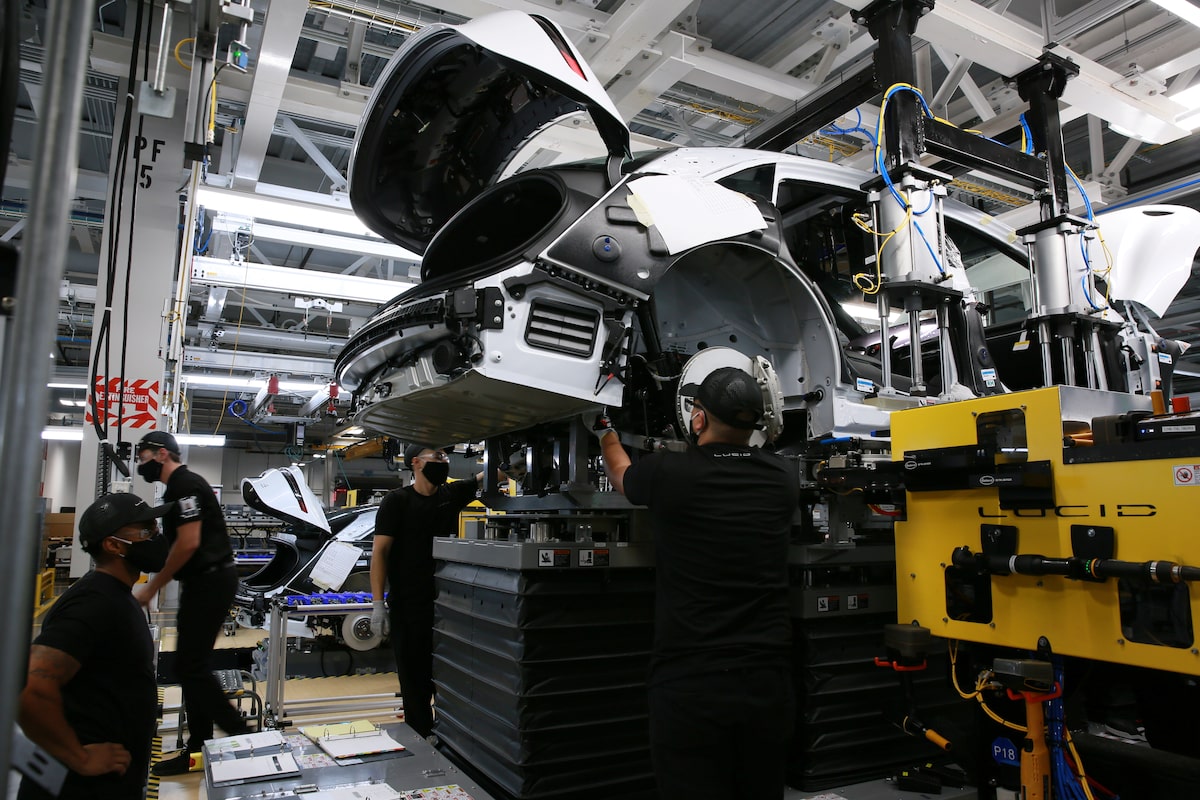
Lucid is cutting its U.S. workforce, again - REUTERS/Caitlin O'Hara. 

Lucid cuts deep

Lucid is cutting staff, again.

This time, the EV maker is cutting around one in five of its U.S. staff, following a 12% reduction just four months ago to conserve cash. Lucid also cut the second shift at its main EV factory.

We may have mentioned this once or twice before on the Auto File, but getting to scale and profitability in the car industry is tough and phenomenally expensive – especially for EV makers in the U.S. market that killed subsidies for electric cars last year.

It is a fair assumption that Lucid would have been far likelier to join fellow EV startups like Fisker, Arrival and Lordstown in bankruptcy were it not for Saudi Arabia’s sovereign wealth fund PIF, which has pumped billions into the company and owns more than 45% of the EV maker.

If Lucid is to succeed, PIF’s continued support is vital.


Porsche on target 

While German rival BMW issued a profit warning, Porsche says it is on target to hit its financial goals this year.

This will come as somewhat of a relief to investors after Porsche’s 1.1% profit margin last year.