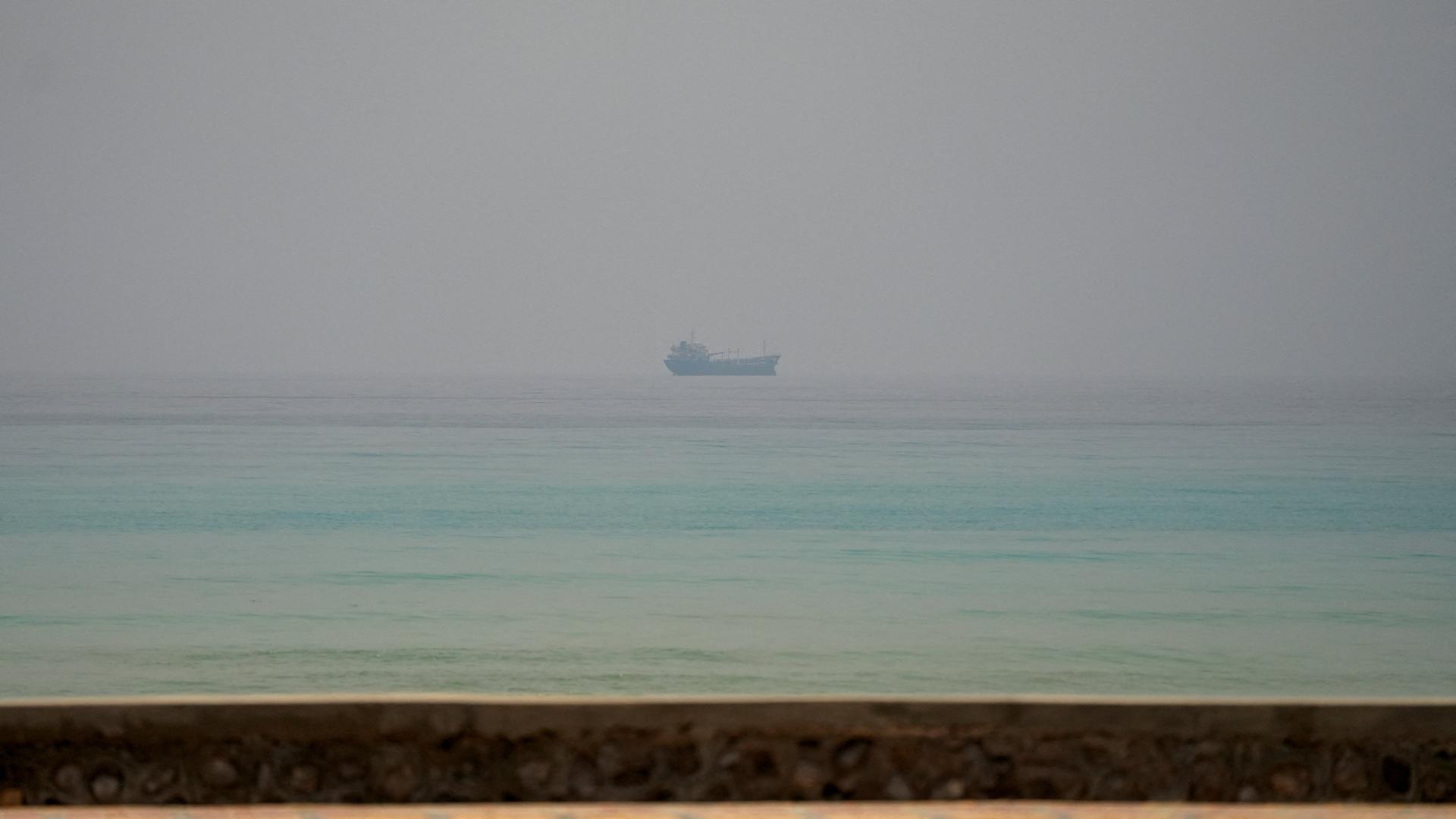
This week's exchange of fire in the Gulf has an uncomfortably familiar shape. Iranian strikes on commercial tankers, U.S. retaliation, then Iranian fire on American positions in Bahrain and Kuwait — it's the second time in weeks this same sequence has played out. The U.S. and Iran traded blows last month after similar Iranian attacks on commercial vessels in the Strait of Hormuz.
Rather than a breakdown, could this repetition be something more calculated — a script both sides use to stake out leverage before returning to the table?
The signals are tricky to parse, but one message comes through: Tehran is asserting its own claim over who controls passage through Hormuz.
There's precedent for reading the broader pattern as tactical, not terminal. The late-June round of strikes gave way to renewed contacts rather than open war, suggesting these flare-ups can serve as pressure valves ahead of more diplomacy — relevant given the possibility that talks could resume next week once Iran's funeral proceedings for slain leader Ayatollah Ali Khamenei conclude.
This week's conflict round is broader than the last. The IRGC said it targeted 85 military sites in Bahrain and Kuwait, though the attacks seem to have had limited impact. Crucially, one of the tankers hit was Qatari, representing the sovereign infrastructure of a key country attempting to hold the diplomatic process together.
The escalation raises an uncomfortable question: can this cycle keep repeating without eventually breaking containment? This round widened the target set on both sides.
Repetition with rising severity is not sustainable indefinitely.
Trump, however, appeared to leave the door open. He declared the ceasefire "over," but in the same breath added he'd "let our wonderful negotiators keep talking if they want".
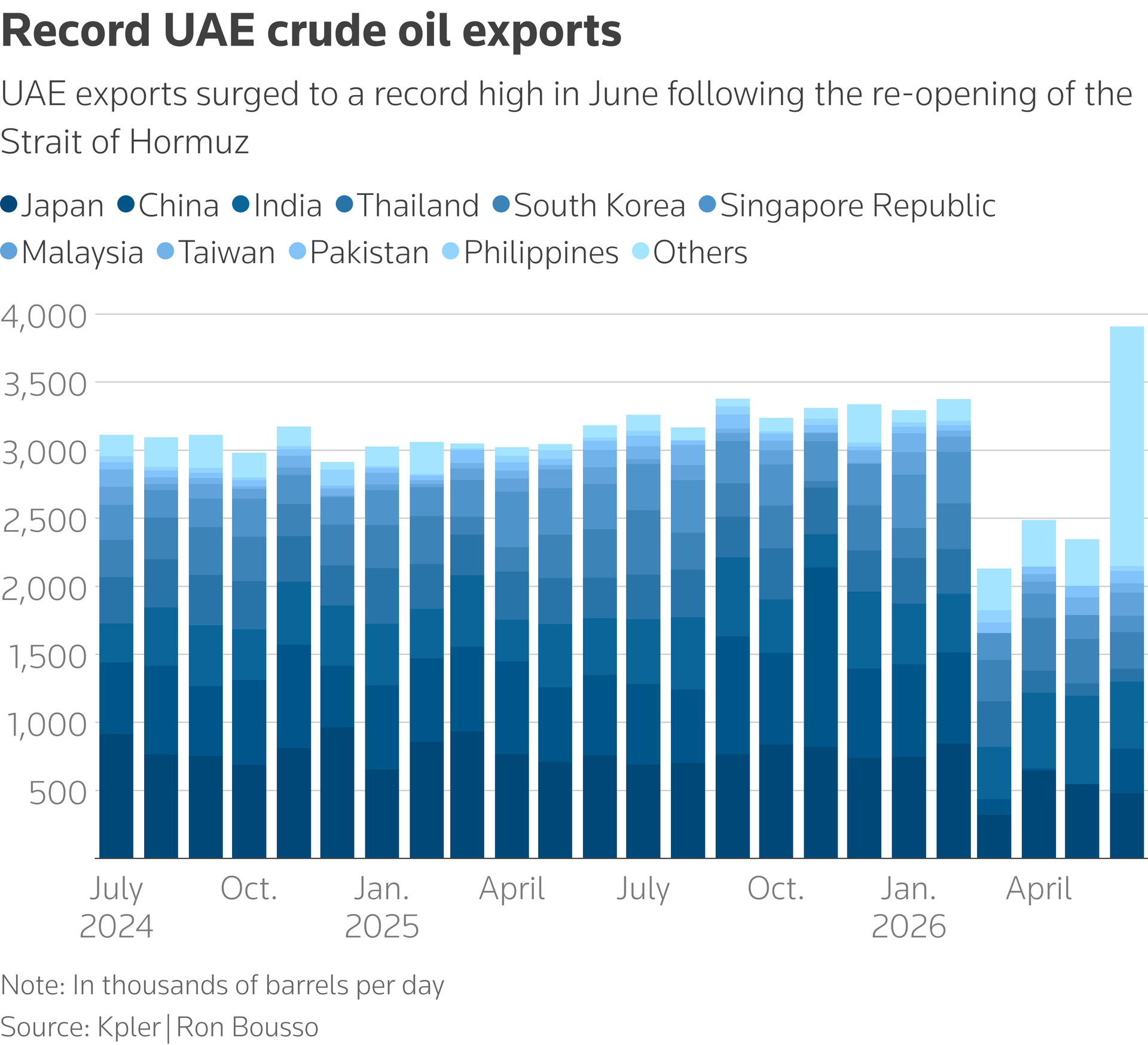
Underneath the rhetoric, structural pressure pointing back towards the negotiating table hasn't disappeared: oil markets reacted sharply after Washington reinstated sanctions on Iranian oil, and mediator Qatar, which needs its LNG tankers to transit the strait and onwards to customers, has every incentive to see this contained.
So which is it: positioning ahead of expected talks, or the start of an unravelling that outpaces both sides' willingness — or ability — to keep it contained?