Sydney’s revamped pool, Mikkeller brews and a letter from Sochi.
|
Thursday 23/7/26
|

|
|
London
Paris
Zürich
Milan
Bangkok
Tokyo
Toronto
|
|
|
|

Good morning from Midori House. For more news and views, tune in to Monocle Radio, where we’ll be reporting live from Saint-Étienne and Seoul, among other places, from 07.00 London time on ‘The Globalist’. Here’s what’s coming up in today’s Monocle Minute:
THE OPINION: Brand Thailand’s reputation shouldn’t suffer from one person’s bad decision
AVIATION: Lisbon’s new airport prepares for takeoff
URBANISM: Making a splash at Sydney’s revamped icon
DAILY TREAT: Enjoy a brew from Mikkeller
FROM MONOCLE.COM: Letter from Sochi
|
|
One drug-smuggling scandal shouldn’t bring down brand Thailand
By James Chambers
|

|
Thailand has been gripped by a different kind of travel story this summer: a young air hostess for flag carrier Thai Airways was caught by Australian customs officials trying to smuggle 1.8kg of heroin through Melbourne Airport. The story might have been a page-six article elsewhere but it touched a nerve here in Bangkok. Thailand has been associated with illegal drugs since at least the 1970s. That was when a US assistant secretary of state coined the term “Golden Triangle” to describe the lawless border area that northern Thailand shares with Myanmar and Laos, a nexus of the global heroin trade.
Though the Thais have long since turned their part of the triangle into a tourist attraction with a museum and shops selling T-shirts and fridge magnets, these borderlands remain a permissive hub for foreign criminals. Individual groups have become transnational networks, bolstered in recent years by Myanmar’s civil war and technology advances such as crypto.
The UN’s regional office on drugs and crime is based in Bangkok. Its latest report on transnational crime, which was released on Tuesday, outlined this worsening situation over a whopping 265 pages: “The Golden Triangle continues to be the region’s main production and trafficking hub,” read a typical line.
|
|
|
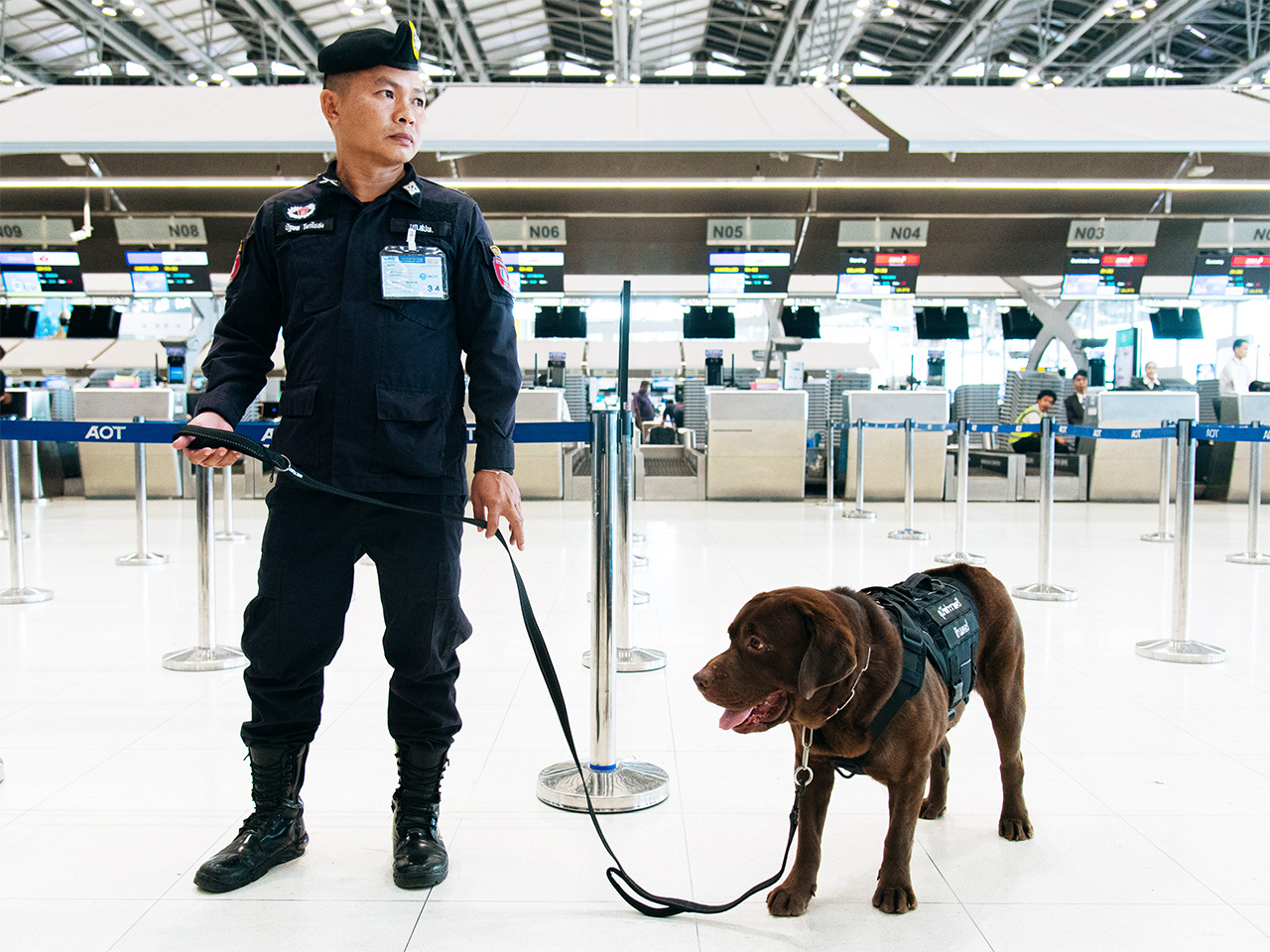
Paws, you’re under arrest! Thais are frequently stopped at border control
|
|
Seizures of methamphetamine and ketamine have skyrocketed in the past decade, which suggests that many more kilos of these synthetic drugs are getting through the net. Weak government and limited law enforcement access are apparently to blame. Meanwhile, cross-border solutions cannot be enacted by one country alone.
Speaking at the report’s launch, co-author Inshik Sim predicted that this Southeast Asian model will be replicated by organised crime around the world – not the type of innovation any country cares to export. Heroin from Southeast Asia is also on the rise, plugging a gap left by the Taliban’s crackdown on poppy production in Afghanistan. Exports travel beyond the region, the bulk to Australia.
For Thailand, the recent arrest in Melbourne revives an outdated reputation at a time when the government is trying to attract high spending tourists and applying to join the OECD. Thai police have been quick to uncover the international nature of the syndicate responsible for moving heroin from Laos to Australia via Thailand. They have also rounded up a bunch of other bad actors and sent the K9 sniffer dogs to patrol Bangkok’s Suvarnabhumi Airport and pose for photos with waiting reporters. Cute pups in uniform and a very public crackdown will buy them time at home but the kneejerk strategy will do little to alter global perceptions.
The damage that his kind of coverage does to the Thai brand is not just felt by the current administration. This story has made headlines here because it feeds a very real and regular frustration that will potentially affect every passport holder planning to travel overseas this summer. Thais can get a rough deal when they travel abroad and encounter suspicious customs officials in Seoul, Tokyo or Sydney. Flying in business or first class offers little protection – indeed, it can be an even bigger red flag.
Multiple wealthy Bangkokians, male and female, young and old, have shared stories with me about their miserable experiences. These range from having to cancel business trips because of visa problems to having to face humiliating questions about their reasons for visiting and endure bag searches that presume the traveller is either a drug mule, sex worker, habitual overstayer or all of the above. Thais were particularly cheesed off in January when US president Donald Trump included Thailand – the US’s oldest ally in Asia – on his list of 75 countries unable to apply for immigrant visas.
The Thais have my deepest sympathy and they certainly deserve the same kind of hospitality that they offer to travellers. For every Thai Airways cabin crew member making a dumb decision, there are many, many more visitors from across the globe who fly here to get up to mischief.
Click here to read the full piece.
James Chambers is Monocle’s Asia editor based in Bangkok. For more opinion, analysis and insight, subscribe to Monocle today.
|
|
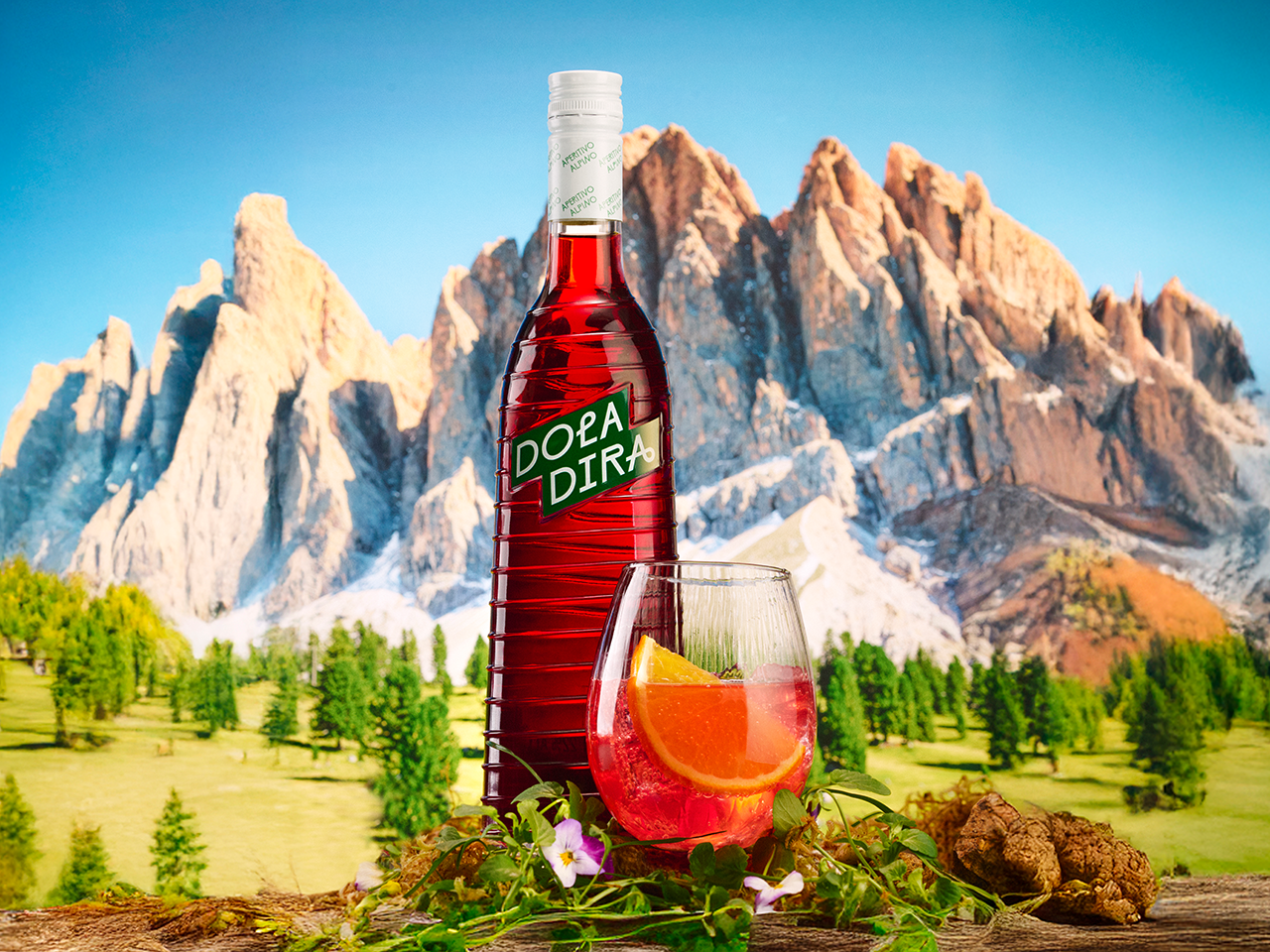
Your Alpine Summer Spritz
|
aviation: portugal
Poetry in motion: Lisbon airport is finally getting its long-awaited upgrade
It has been more than 50 years in the making but Lisbon is one step closer to getting a new airport (writes Carlota Rebelo). The Portuguese government, alongside airport operator ANA, has unveiled plans for the new €8.9bn international hub, which is set to be completed by the summer of 2035. Located in Benavente on the south bank of the river Tejo, the new Luís de Camões airport – named after Portugal’s greatest poet – is expected to handle some 56 million passengers per year and operate on two runways.
But this investment is not just about mobility in the skies – the plan also includes a third bridge crossing the river, more than 250km of new highways and the creation of a new high-speed rail terminal that will connect the airport to Lisbon’s city centre in less than 20 minutes. It’s an ambitious plan but one that has the potential to truly transform mobility in the Portuguese capital – ANA expects that about 20 million passengers will travel by train to the new airport. The change is overdue: the current airport has long been operating at full capacity, evidenced by news this summer of long queues at passport control and security points. It’s high time for this project to take off.
|
|
urbanism: Australia
The five-year wait to dive into one of Sydney’s favourite pools is almost over
Once people started talking of thousands of days – as opposed to hundreds – Sydneysiders started wondering if, not when, their cherished North Sydney Olympic Pool would reopen (writes Callum McDermott). But now, 1,971 days after the heritage-listed harbourside pool closed for long-overdue repairs, a firm reopening date has at last been announced: on 7 August, the Harbour City will get its most famous swimming spot back.
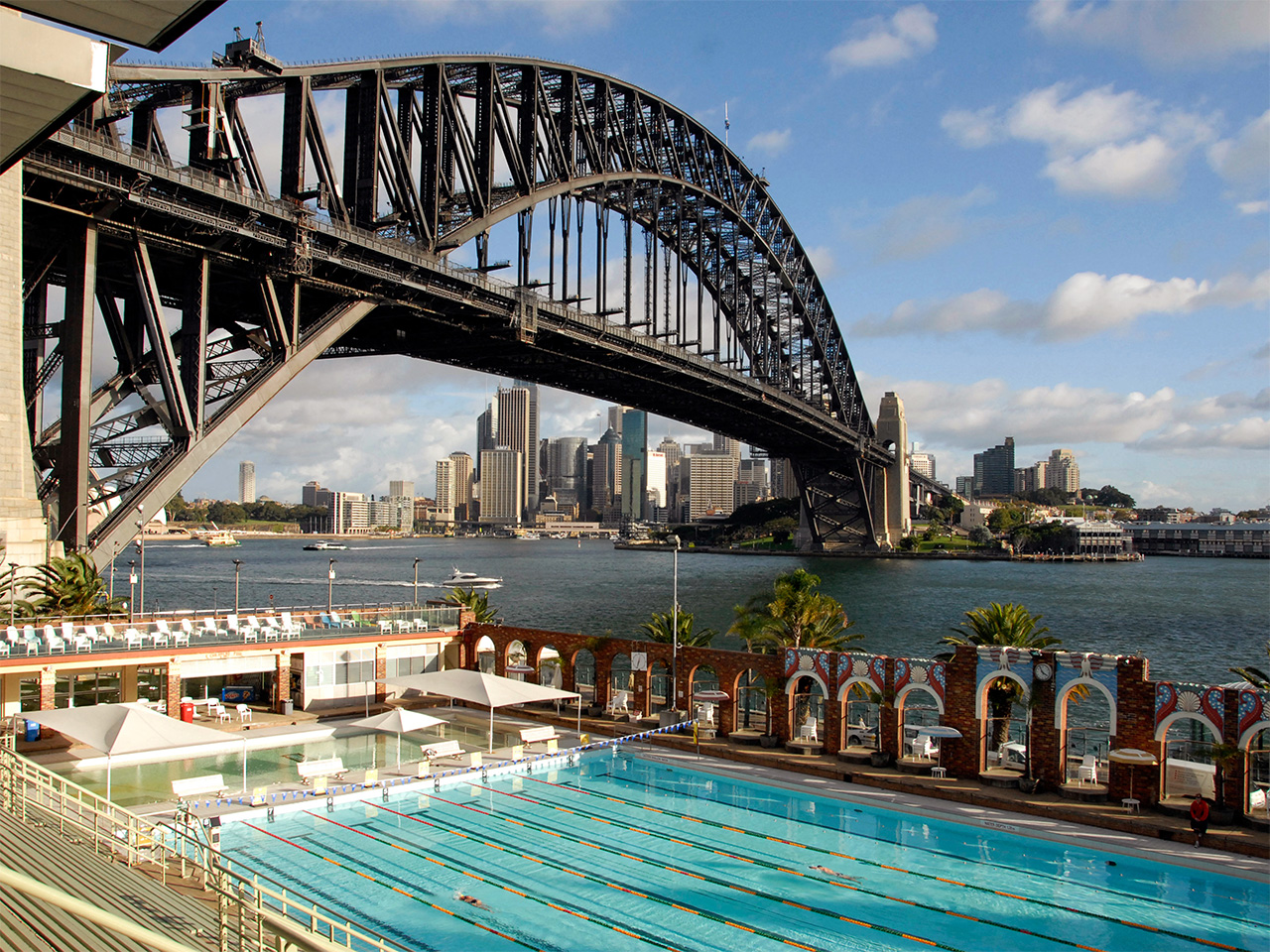
Unless you’re quick enough to dodge ferries and sharks, North Sydney Olympic Pool has the city’s best swimmable view. The 90-year-old, 50-metre art deco icon sits beside the northern pylons of the Sydney Harbour Bridge, affording a heartstopping panorama of the city’s skyline and attractions such as the Opera House, not to mention the other western-heading inlets and waterways.
|
|
|
Great lengths: North Sydney Olympic Pool reopens in August
|
|
It has been a slog to get here. A scandal surrounding a misallocated grant for the pool’s refurbishment nearly toppled former prime minister Scott Morrison’s government (before other scandals finished him off). Then its AU$122m (€75m) outlay – more than double the initial budget – nearly bankrupted North Sydney Council.
But that’s all water under the Harbour Bridge now. Such well-loved and beautifully designed urban infrastructure is worth a jump in at the deep end.
|
|
• • • • • DAILY TREAT • • • • •
Enjoy a brew from Mikkeller
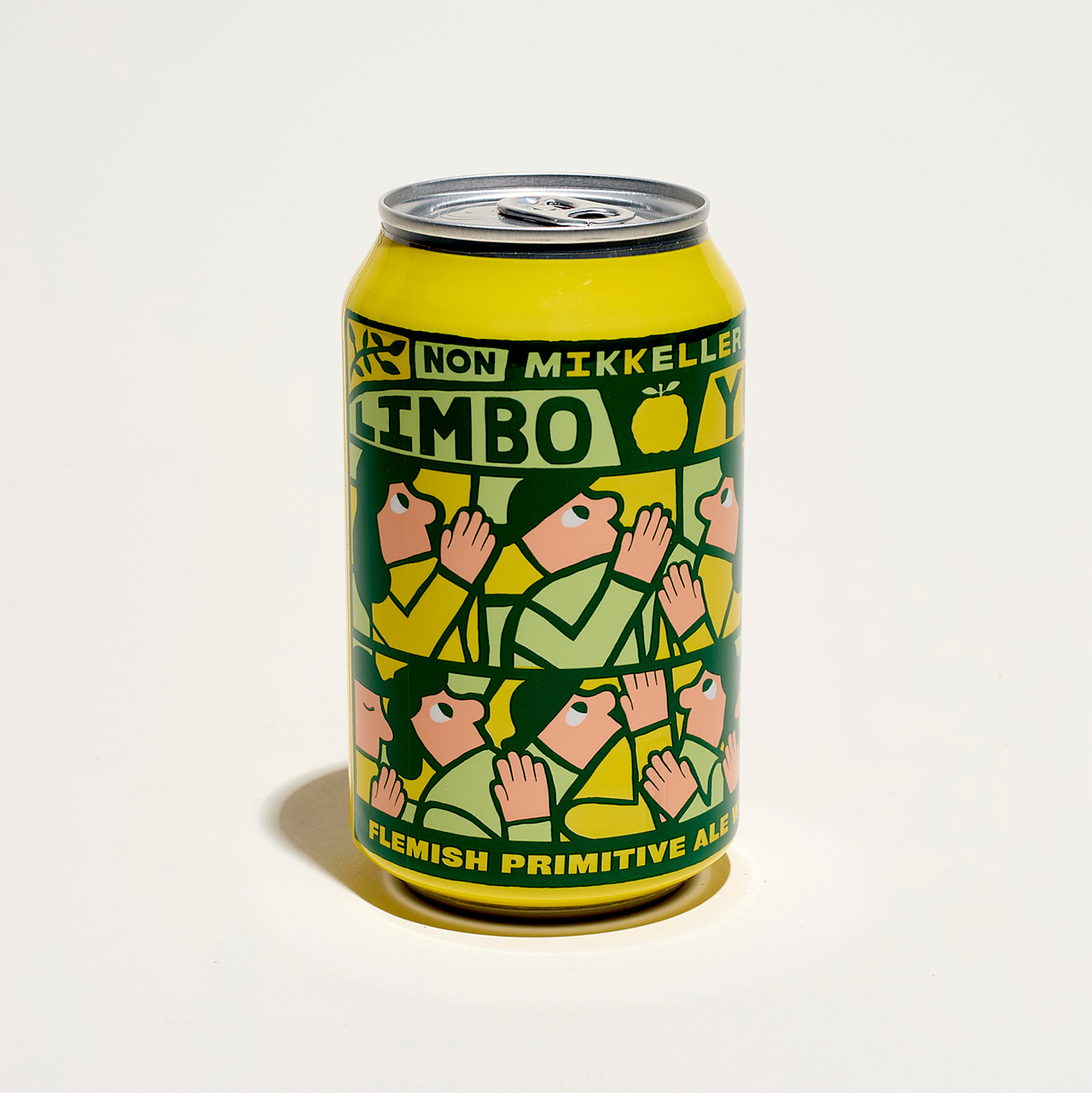
Copenhagen-based brewery Mikkeller is known for pushing the boundaries of traditional brewing, treating the process like a science experiment. Previous flavours of its craft beers have included chocolate, passion fruit, chilli and Japanese yuzu – ideal for pairing with sushi.
The labels created by art director Keith Shore feature the brand’s cartoonish mascots, Henry and Sally, and previous iterations have featured the pair praying to different fruits – a reminder that Mikkeller’s brews can be equal parts thirst-quenching and virtuous.
mikkeller.com
|
|
from monocle.com: russia
Amid sanctions, strikes and economic stagnation, life goes on in Sochi
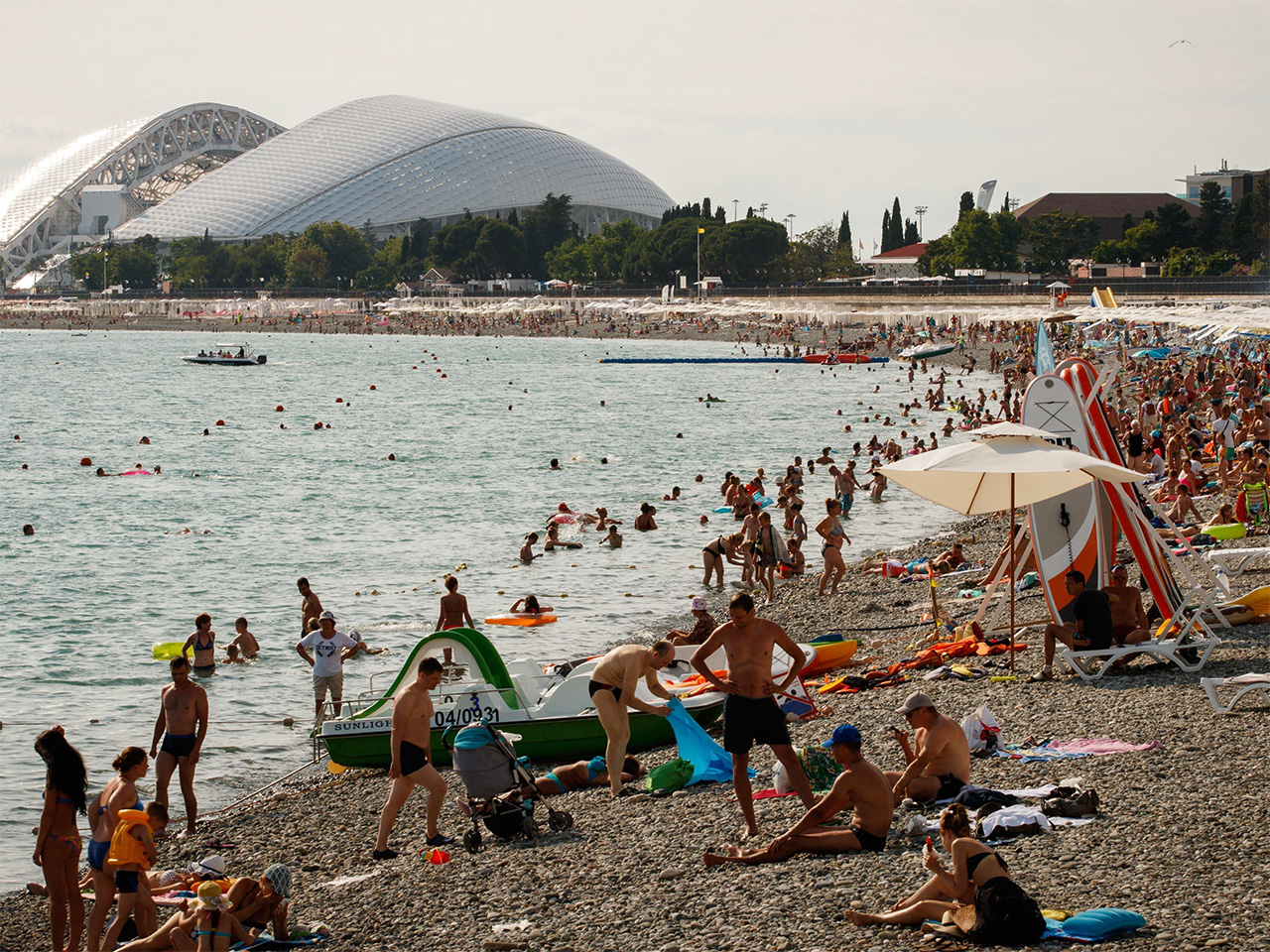
Tourists in Sochi tend to ignore the air-raid sirens after the third time that they hear them. The Russian resort’s beaches are usually more crowded at this time of year. But even as temperatures have risen and thunderstorms cleared, this subtropical corner of the Black Sea has experienced a lacklustre start to the high season. Tour operators complain that intensifying Ukrainian drone attacks and the attendant shutdowns of the city’s airport have reduced domestic demand by as much as 30 per cent year on year. Piles of unused sunloungers are scattered across the city’s stony beaches and the wide, 7km-long seaside promenade is eerily quiet.
|
|
|
Sochi shame: Visitors to Russia’s most famous resort city are dwindling
|
|
“It’s like we’re living in Israel, minus the health care,” says Valeria, a lifestyle journalist who lives in central Sochi with her husband and one-year-old son. When the half-deserted beaches are evacuated, holiday-goers crowd together on the promenade. Those who have made it here won’t let the war ruin their holiday. Inflation isn’t helping Sochi to fill its beaches either, as the Russian economy nears recession and wages stagnate. A night in a standard sea-view room at the Swissôtel will cost RUB37,500 (€420), though the city is awash with far cheaper and bleaker lodging options. Before the war, it was sometimes cheaper for Russians to go on all-inclusive trips to Antalya or Sharm-el-Sheikh – and it definitely is now. Still, back then, Sochi maintained its status as the country’s premier summer resort, a place for the great and the good to be seen, if just for one weekend in July.
To read the full piece, click here.
|
|
| | |