covid
A long delay for reinstatement after refusing vaccines
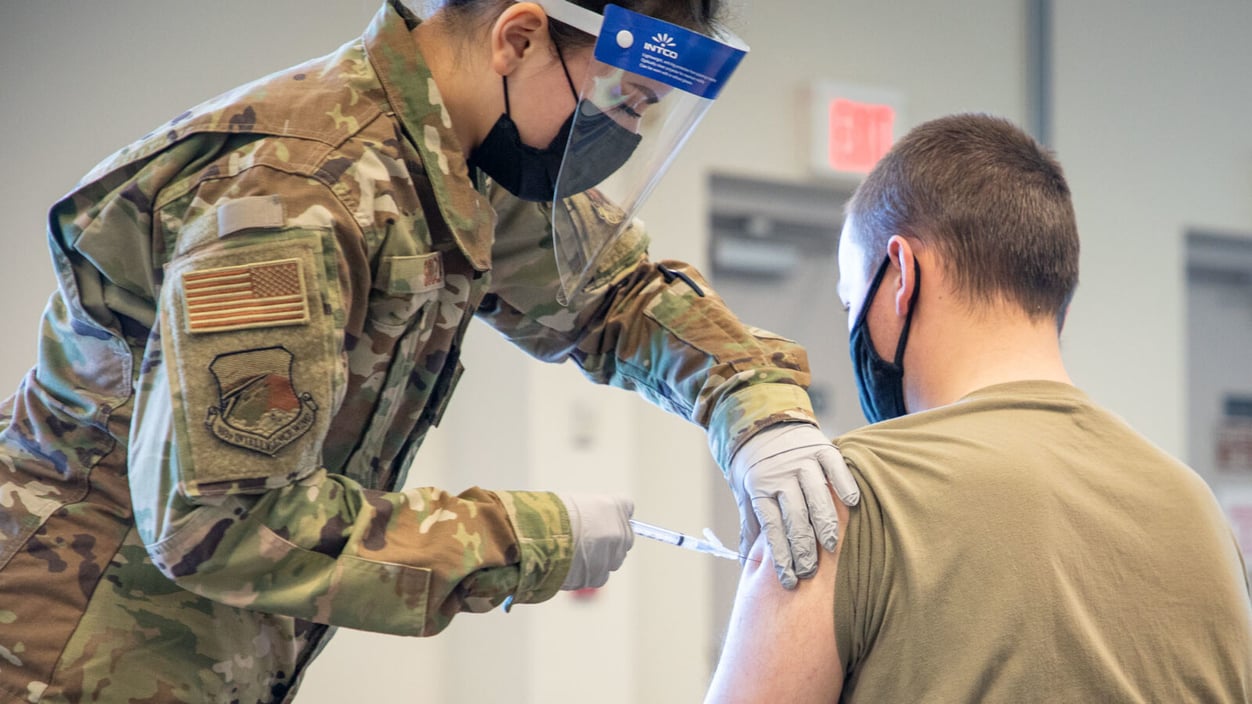
Kerri Spero/Department of Defense
In his first month back in office, President Trump signed an executive order promising to reinstate all service members who were discharged, or voluntarily left, for refusing the Covid vaccine. That order applied to nearly 8,000 active-duty and reserve troops who were involuntarily separated after refusing the shot, more than half of whom did not receive honorable discharges. And it’s not just about getting the job back — Trump also promised “full back pay.”
Leah Rosenbaum, a reporter at The War Horse, spoke with four service members trying to take the Trump administration up on its offer. All of them complained about months of bureaucratic red tape, despite being told they’d be prioritized. “It’s like a huge slap in the face,” said a Coast Guardsman, who declined their first offer as inadequate. Read more from Leah on the reality that’s borne out since the order’s ink dried.
policy
Expect a clash at today’s peptide panel
Even without safety data, peptide use is surging among Americans. (“I’m a peptide princess right now,” comedian Gabby Bryan said in a podcast interview recently, explaining that she could get the six peptides she takes from a doctor, but her dealer in Arizona is cheaper.) An FDA panel will meet today and tomorrow to discuss regulatory changes that would make certain peptides more accessible through mainstream routes.
At issue is whether to allow compounding pharmacies to manufacture seven peptides that are currently designated as unsafe for them to make. Health secretary Robert F. Kennedy Jr. has said that it’s safer for patients to get them from FDA-inspected facilities rather than “very, very substandard” grey- and black-market options. Critics — including FDA staff — say that doesn’t matter if the safety of higher quality compounded peptides is still in question. Read more from STAT’s Sarah Todd and Lizzy Lawrence about what’s expected at the panel and who will get the final say.