Were you forwarded this message? Subscribe to From the Think Tank to receive this newsletter in your inbox. |
|
|
|
This month I hope many of you both celebrated the United States’ semiquincentennial and the many phenomenal matchups in the World Cup. Congratulations, Spain! World events don’t take a summer break, and CFR’s think tank, the David Rockefeller Studies Program, continues to produce research and analysis related to pressing global issues.
This month, we’re sharing insights into the recent NATO summit, views about energy markets following the closure of the Strait of Hormuz, and a new series of playbooks for how to respond to global crises.
We were pleased to welcome Vijay Vaitheeswaran as the Philip D. Reed senior fellow and director of our Energy Security and Climate Change program. And we look forward to welcoming Sonja Brookins Santelises as vice president, senior fellow, and director of the Richard Haass Center for Education. We also are kicking off two new high-level Task Forces on energy security and on the future of Cuba.
If you’re heading to the beach, be sure to bring a CFR book along, including the latest, Women in Power, by Linda Robinson. As always, we hope you find the work of our fellows to be of interest. We’ll be back in your inbox in September. Please be in touch in the meantime with any thoughts or reflections on our content.
Sincerely, Shannon |
| |
|
In a time of increasing geopolitical threats, the United States needs updated playbooks for a new set of exigencies. This four-part Crisis Response Playbook series from the Wachenheim Center for Peace and Security—covering insurgencies, coups, gray zone attacks, and maritime chokepoints—implements data-driven academic research to give policymakers practical prevention and mitigation frameworks. Across all four playbooks, common threads emerge: response protocols must be built in advance rather than improvised; perceived legitimacy often matters more than raw capability; and effective responses extend beyond military tools to diplomatic, economic, and private-sector engagement. Explore the playbooks
|
| |
|
As part of the America at 250 series, CFR fellows weigh in on the most significant foreign policy decisions in U.S. history. In this video, Liana Fix describes how the Berlin Airlift still matters to the German people after almost eighty years.
|
|
| |
|
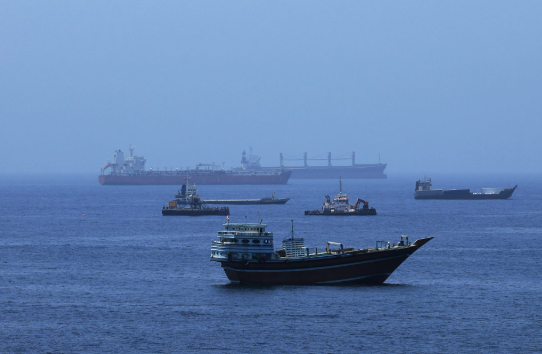
In the Persian Gulf, seaborne trade is flowing again, but the region’s recovery is tenuous; transit fees, sea mines, billions of dollars in infrastructure damage, and deep mistrust still stand in the way of business as usual, and the U.S.-Iran ceasefire continues to falter. Edward Fishman, Clara Gillispie, Elisa Ewers, Max Boot, and Sam Vigersky explore the future of global energy markets following the Hormuz closure and review U.S. options. Read the article
|
|
|
|
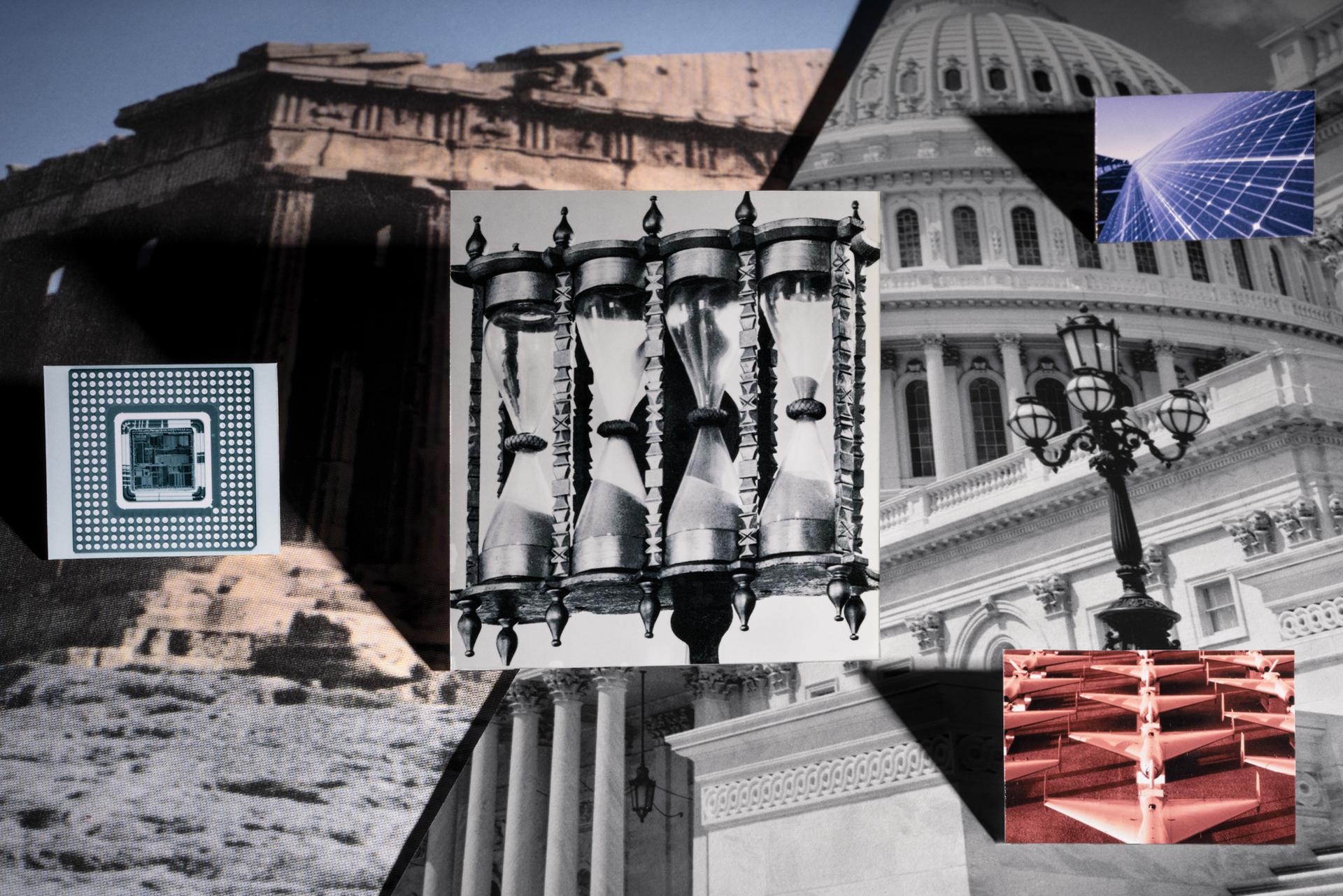
The United States’ role on the world stage is increasingly precarious amid the rise of multipolarity, reactionary politics, and American foreign aid retrenchment. In CFR’s new Future of American Strategy Initiative led by Rebecca Lissner, experts identify current or imminent weaknesses in U.S. strategy in economics, development and health, climate and the environment, national security, and technology, and explore how to shore up those weaknesses for a more secure future. Explore the initiative
|
|
|
|
The David Rockefeller Studies Program—CFR’s think tank—analyzes global challenges and offers steps to address them. More than eighty fellows cover the world’s major regions and significant foreign policy issues. CFR produces reports, articles, videos, podcasts, and more for the interested public, the academic community, business leaders, foreign policy experts, and policymakers.
|
|
|
|
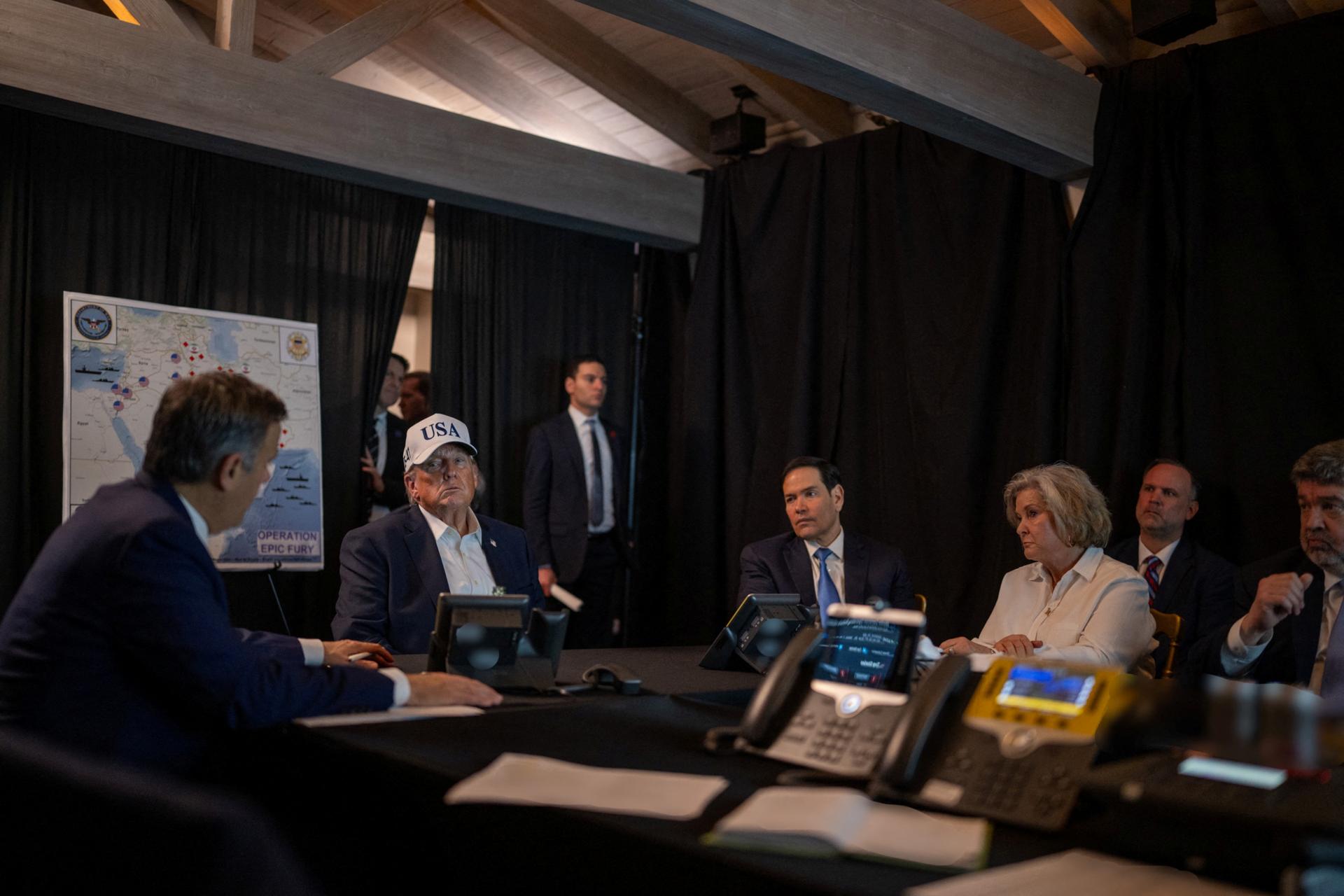
U.S. President Donald Trump speaks with CIA Director John Ratcliffe, White House Chief of Staff Susie Wiles, and Secretary of State Marco Rubio at the Mar-a-Lago resort in Palm Beach, Florida, on February 28, 2026. (White House/Reuters)
|
A view of commercial cargo vessels and crude oil tankers are anchored in the Gulf of Oman, off the coast of Muscat, Oman, on June 21, 2026, as they prepare to transit through the critical Strait of Hormuz. (Shady Alassar/Getty Images)
|
Illustration by Kim Hoeckele. |
|
|
|
58 East 68th Street, New York, NY 10065 |
1777 F Street, NW, Washington, DC 20006 |
|
|
|
|