Feel-good summer fits, Steidel closes its books and stories you might have missed.
|
Friday 24/7/26
|

|
|
London
Paris
Zürich
Milan
Bangkok
Tokyo
Toronto
|
|
|
|

Good morning from Midori House. For more news and views, tune in to Monocle Radio. Here’s what’s coming up in today’s Monocle Minute:
THE OPINION: Ageing gracefully is leaps and bounds ahead in Singapore
MEDIA: German publisher Steidl’s final chapter
DAILY TREAT: Escape with feel-good fits for the summer
THE LIST: Three stories that you might have missed
|
|
Singapore’s parkour-practising geriatrics flip the script on ageing gracefully
By Joana Moser
|
In a playground beneath a Housing
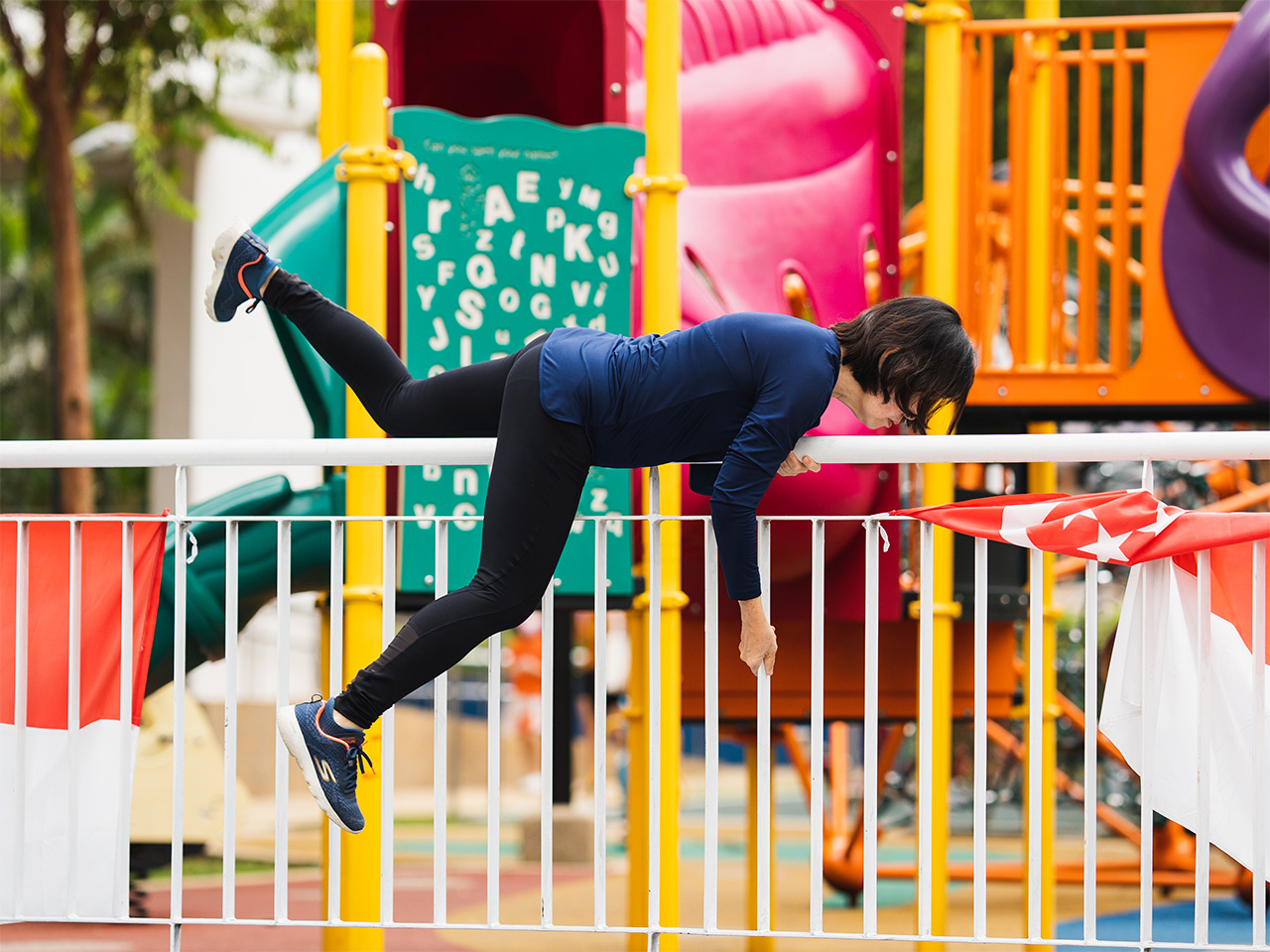
& Development Board estate in Singapore, a group of people in their sixties and seventies crawl on all fours across concrete, gripping rails and climbing low walls. The air is already heavy with heat and everyone moves carefully but deliberately. To a passer-by, it might look unusual. To the group, it’s just a regular morning geriatric parkour session.
In a country where more than one in five citizens is now aged 65 or older, the unexpected practice reflects a wider question Singapore has tried to answer for decades: how can people remain active, independent and connected as they age?
For Tan Shie Boon, former parkour athlete, the answer begins with exercise. Shie Boon founded
Movement Singapore in 2022 with a philosophy inspired by the Yamakasi collective – the French group often credited with creating parkour. His approach is less about acrobatics and more about spatial awareness: crawling, climbing, balancing and learning to move through an environment with control and confidence. The principle behind Movement Singapore is simple: “If you don’t move your body, you will lose your function.”
|
|
|
Balancing act: Parkour is stretching the definition of what ageing can look like
|
|
Movement Singapore started with one 64-year-old student. Today, Shie Boon teaches 35 people ranging from their late forties to 75, most of them women. In four years, the group has recorded only one significant injury – a wrist fracture – and the student returned.
Sessions start simply: a warm-up, circuits and a sequence of movements across rails, walls and slopes. But Shie Boon leaps beyond fitness. He calls it the “parkour vision”: learning to see the city differently, not as a series of obstacles but as a landscape of possibilities. “You start seeing opportunities everywhere you go,” he says.
Eugene Lau, director at Singapore’s Urban Redevelopment Authority, says that the city-state’s planning philosophy has long been built around independence and connection. “We focus on creating neighbourhoods where people can be active, independent and able to age in place while connected to the community they are familiar with,” he says. In practice, that means barrier-free access, sheltered walkways with no gaps and public spaces conceived as what Lau calls a “community living room” – an extension of the home where residents can gather throughout the day.
By 2030, Singapore aims for every resident to live within a 10-minute walk of a park. When Lau heard about seniors repurposing rails and ramps of public spaces for parkour training, he saw it as another example of how the city’s public areas are changing. “Public space is no longer just about providing seats for the elderly to sit down,” he says. “They are no longer content with that.”
While parkour will not solve the challenges of an ageing population on its own, it could be one piece in the larger puzzle of helping people to age gracefully. In the early morning shadow of a housing block, these elderly urban gymnasts offer a more flexible image of growing older: one that fast-ageing cities elsewhere might do well to jump on.
Joana Moser is a radio researcher with Monocle. Cartwheel into the Quality of Life Survey here. For more opinion, analysis and insight, subscribe to Monocle today.
|
|
Your Alpine Summer Spritz
|
media: germany
Out of print: German publisher Steidl files for insolvency
Storied publishing house Steidl has reportedly filed for preliminary insolvency, closing the chapter on production of its revered art and photography books. Founded in 1969 by Gerhard Steidl, the German company released some 120 titles every year, including books by Richard Serra, Martin Parr and Jürgen Teller, as well as German translations of classics, such as Bram Stoker’s
Dracula, and contemporary fiction. The late Karl Lagerfeld, a famed bibliophile, entrusted Steidl with all of Chanel’s print projects.
|
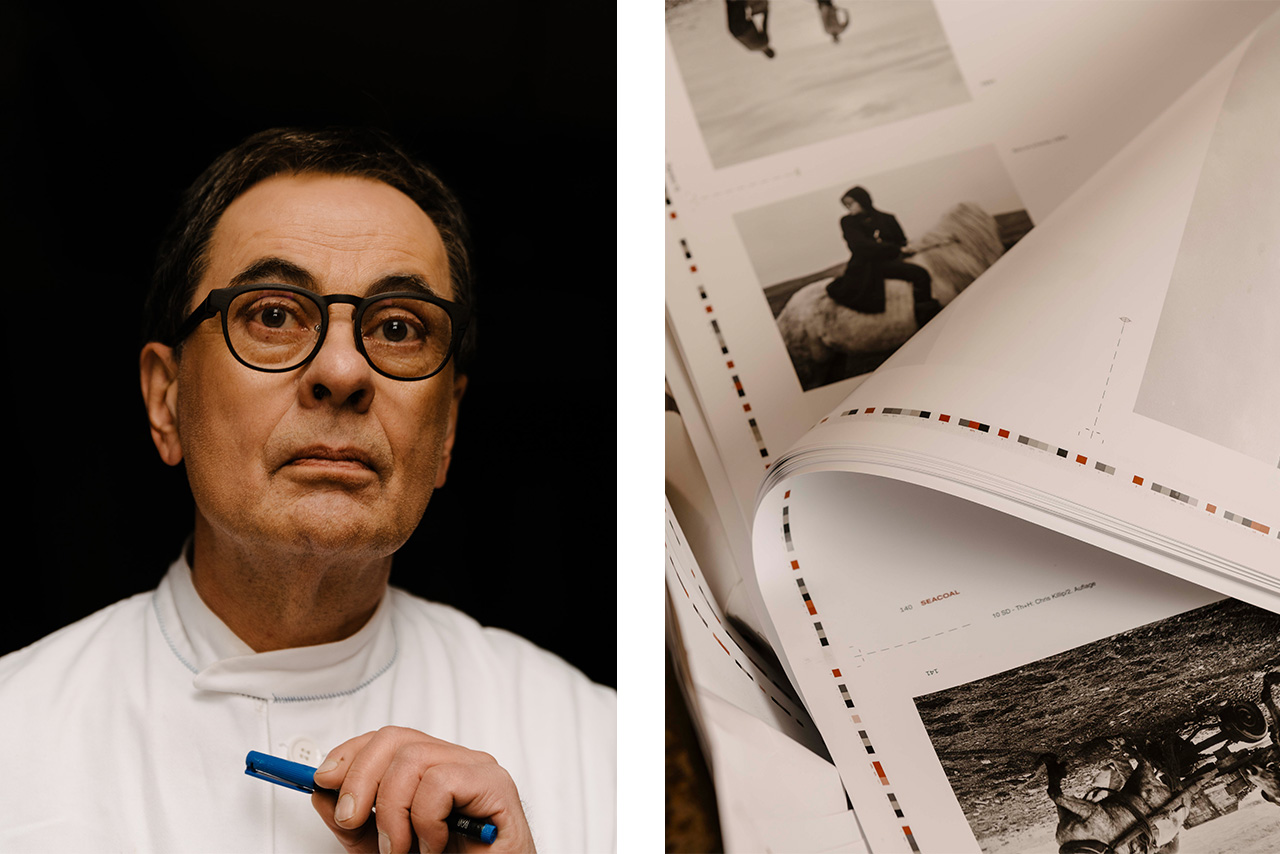
Renowned for its high-quality publications, Steidl is known for its attention to detail and employs a team of designers, printing technicians, photographers, bookbinders and editors to oversee every aspect of the in-house production process. When Monocle visited the company’s offices in 2023, Gerhard Steidl (pictured) highlighted the importance of in-person collaboration with artists. “I try to make the production process as transparent as possible, to educate the artist about it so that they can see that I’m doing the best for their project,” he said.
Yet even with its laser-focused attention to detail, consumer reading habits have forced Steidl to adjust its offering. As bricks-and-mortar bookshops close and more people order books online, the publisher reduced the size and weight of some titles. “We’re fighting to make our books as small and light as possible,” he told The Monocle Minute. “The market for printed matter is getting smaller and smaller,” he added. Investors are said to be in talks over Steidl’s next chapter.
|
|
• • • • • DAILY TREAT • • • • •
Escape with feel-good fits for the summer
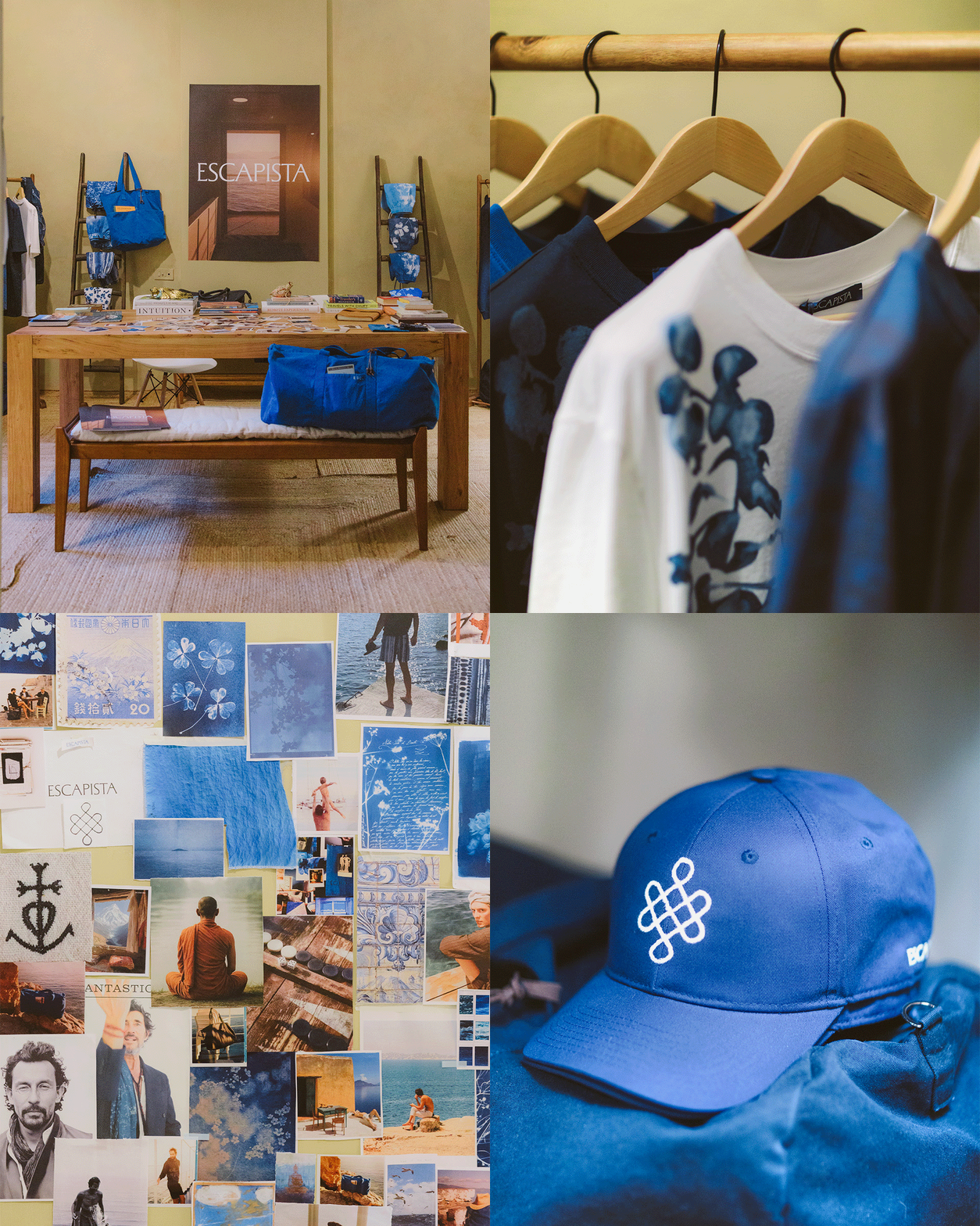
The arrival of sweltering heat and humidity to the Lombard capital typically means the escape of many Milanese, who spend summers away, typically at a beach. To fit out these leisurely escapes, fashion-industry veteran Leonardo Girombelli left his career with luxury brands to debut his own menswear label, Escapista.
Inspired by the colours and moods of Mediterranean life, the 40-piece collection includes T-shirts, swimwear and a range of bags designed for grab-and-go trips. In just a few months, Escapista has secured space in multibrand shops and resort properties from Pantelleria to Toulouse and Ibiza. There are many people, it seems, who harbour hopes of a summer escape.
escapista.com
|
|
the LIST: FROM monocle.com
Stories you might have missed
Not been on
monocle.com recently? Here are three updates worth your while.
|
|
Monocle Radio: The Entrepreneurs
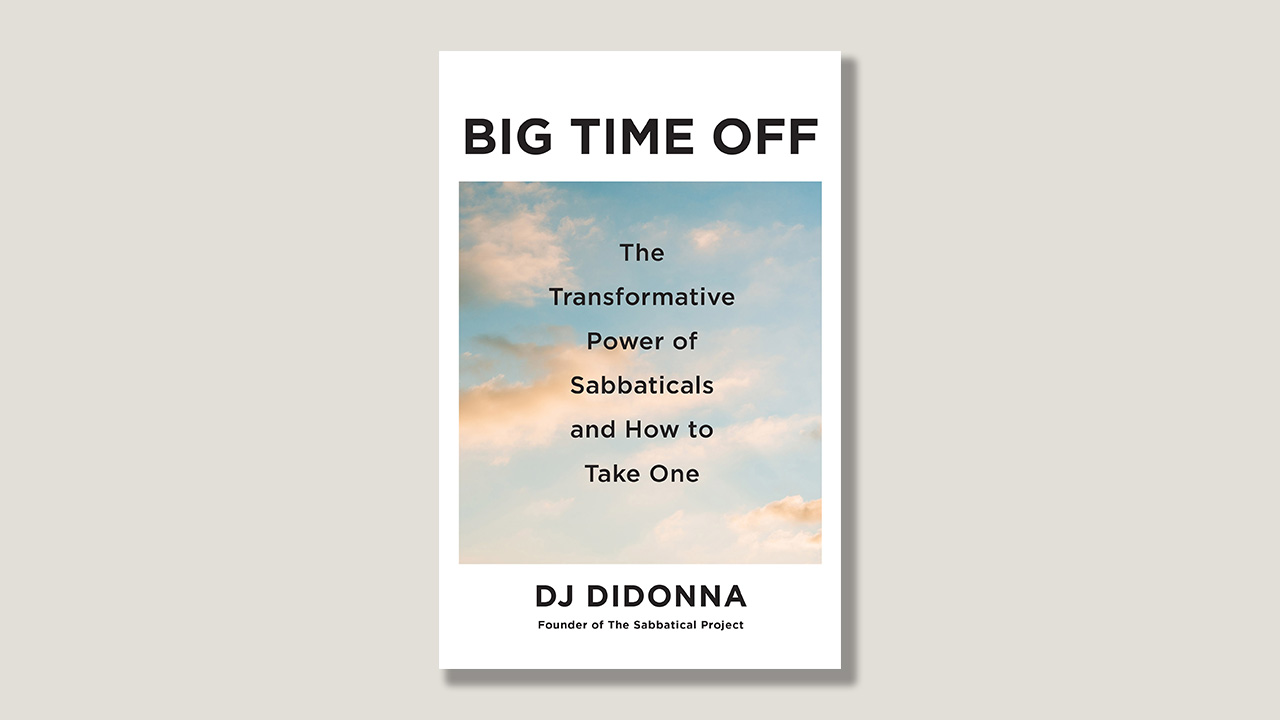
The case for sabbaticals: Why businesses benefit when workers take ‘Big Time Off’
Harvard Business School lecturer DJ DiDonna talks about the importance of sabbaticals and why intentionality in time away from work is a win-win for employees and bosses alike. He sh | | | | |