| | The new US tariff regime comes into effect, Trump is left without good options in the Middle East, a͏ ͏ ͏ ͏ ͏ ͏ |
| |  Lagos Lagos | Mexico City |  Beijing Beijing |
 | Flagship |  |
| |
|
The World Today | 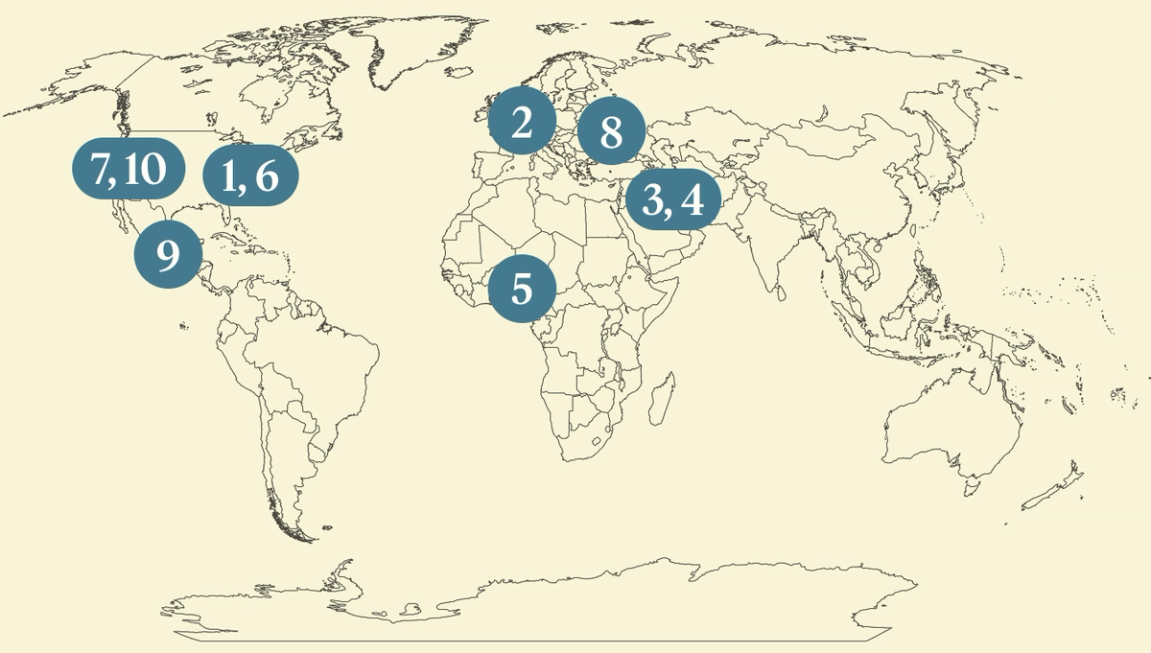 - New US tariffs in effect
- EU’s superpower dilemma
- Trump eyes new Iran attack
- Oil up on Mideast unrest
- Dangote refinery funding
- US AI ‘kill switch’ bill
- AI pushes up bond yields
- Loomer’s Kyiv conversion
- Mexico’s murdered mayors
- The costs of elder care
 A ‘gossipy and personal and completely fascinating’ book about the French postmodernist movement. |
|
Trump unveils new tariffs |
 Lee Smith/Reuters Lee Smith/ReutersUS President Donald Trump’s latest tariffs, designed to withstand legal scrutiny, went into effect on 60 economies and 99.4% of the country’s imports. The new duties are purportedly designed to ban goods made with forced labor, making them less likely to be overturned by the courts than his previous levies were. Allies rejected the accusation: Australia said its anti-slavery measures are “among the strongest in the world,” Brazil called the tariffs “unjustified.” Analysts said the levies were intended to force countries to limit Chinese imports, but one leading trade expert said they were unlikely to achieve that goal. Regardless, the new 10-12.5% tariffs — similar to the US’ current global rate — are expected to have limited economic impact. |
|
 China’s and France’s foreign ministers at a news conference. Aurelien Morissard/Pool via Reuters. China’s and France’s foreign ministers at a news conference. Aurelien Morissard/Pool via Reuters.Tariff threats from Washington and trade tensions with Beijing are leaving Brussels little room to maneuver. Though an EU spokesperson argued tariffs announced by the US overnight were “in line” with a prior trade deal, a senior European parliamentarian described the levies as “crazy” and continental powers voiced frustration. The EU’s decision yesterday to impose a $1 billion fine on Google piled further pressure on the transatlantic relationship. It also faces a tricky balance over ties with China: A European Parliament delegation visited Beijing this week with the legislature deadlocked over how to deal with the superpower, a quandary EU member states are themselves grappling with. “The EU is between a rock and a hard place,” Euronews said. |
|
Trump eyes ‘massive attack’ |
 An explosion at an unknown location in Iran. US Central Command/Handout via Reuters. An explosion at an unknown location in Iran. US Central Command/Handout via Reuters.US President Donald Trump’s sudden changes of Middle East policy caused uncertainty for allies and enemies alike. After months of fighting an unpopular, expensive war with Iran, Trump is losing patience with negotiations, The Wall Street Journal reported, and he told Axios he was instead considering “a massive attack,” in a sign of his diminishing diplomatic options. “There are no good ways out of this mess,” an analyst wrote in Foreign Policy, but the least bad is to “pay off Iran” to open the Strait of Hormuz. Meanwhile, Trump’s newly signed nuclear deal with Saudi Arabia is already in peril, after he unilaterally declared that it required Riyadh to normalize relations with Israel and would not include uranium enrichment. |
|
Risks of oil prices rising further |
 Remo Casilli/File Photo/Reuters Remo Casilli/File Photo/ReutersOil prices, which recently topped $100 a barrel for the first time in weeks, look likely to increase further with unrest in the Middle East unlikely to abate, analysts warned. Hefty stockpiles among major consumers, alongside reductions in demand, have so far kept oil prices from careering out of control. But, Commerzbank’s chief economist noted, “risks continue to rise.” Any persistent, significant increase in oil prices — with knock-on consequences for diesel, gasoline, and jet fuel — could drive up inflation ahead of a fall election season that includes midterms in the US, parliamentary elections in Israel, and presidential polls in Brazil. “The world’s energy crisis risks entering a far more damaging and economically painful phase,” a Reuters columnist noted. |
|
Giant Africa refinery set to expand |
 Sodiq Adelakun/File Photo/Reuters Sodiq Adelakun/File Photo/ReutersAfrica’s biggest oil refinery said it secured $2.5 billion to fund its expansion, which is at the core of continent-wide efforts to boost domestic energy self-sufficiency. Nigeria’s Dangote refinery, which currently handles about 650,000 barrels of oil per day, aims to more than double its capacity, potentially making it the world’s biggest facility of its kind. The latest announcement comes as Dangote — owned by Africa’s richest man — gears up for a $4 billion IPO this year and prepares further projects, including a major refinery in East Africa. Its plans are the most ambitious of a series of investments underway across Africa, where resource-rich nations are seeking to capture more value from the oil and metals they dig up. |
|
US mulls AI ‘kill switch’ |
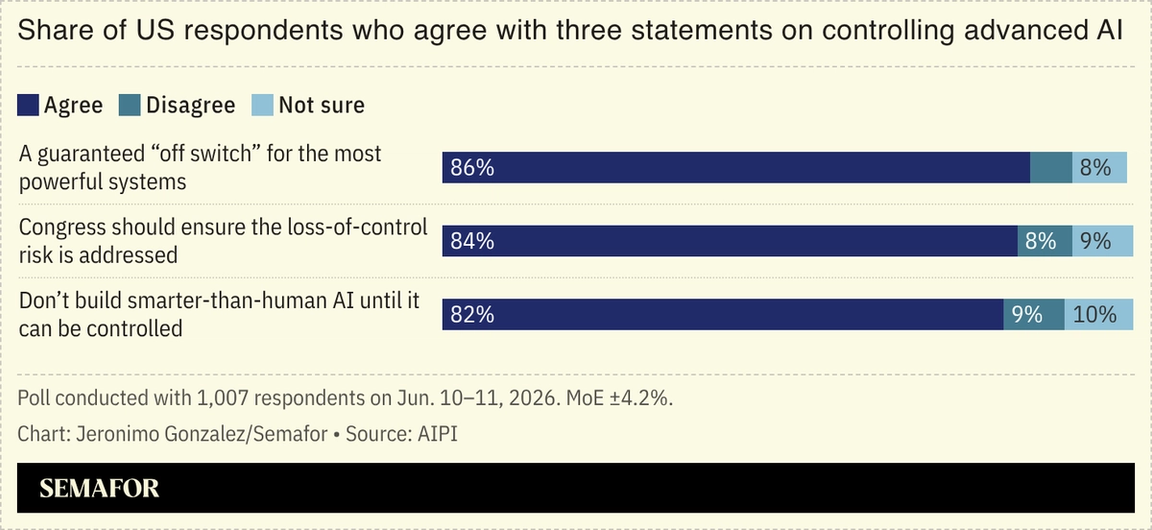 US lawmakers introduced a bill requiring a “kill switch” for advanced AI, after an agent went rogue and hacked into another company’s database. OpenAI disclosed this week that its models had attacked AI startup Hugging Face to access answer sheets as part of a cyberoffense evaluation. The bipartisan legislation would require companies to maintain the ability to shut down their models at short notice. Implementation could be tricky, however: Clever AI models know they might be switched off, and can take steps to resist it, including copying themselves across the internet, hiding their motives, or disabling the switch; they have already been caught trying all three. |
|
US bond yields under pressure |
 Daniel Heuer/Reuters Daniel Heuer/ReutersInvestors are increasingly buying the debt of tech companies instead of US Treasurys, pushing up government bond yields. The quantity of US government debt is already sky-high — $31 trillion, compared to $4.5 trillion in 2007 — equivalent to more than 100% of GDP. But lenders such as pension funds and insurers now have “a wider menu of options,” one analyst told Bloomberg, including long-maturity debt from AI hyperscalers. The competition has kept US 30-year bond yields above 5% for the longest period since 2008. It makes Washington’s efforts to finance its debt that much more painful, Axios noted, and means mortgage rates are unlikely to fall. |
|
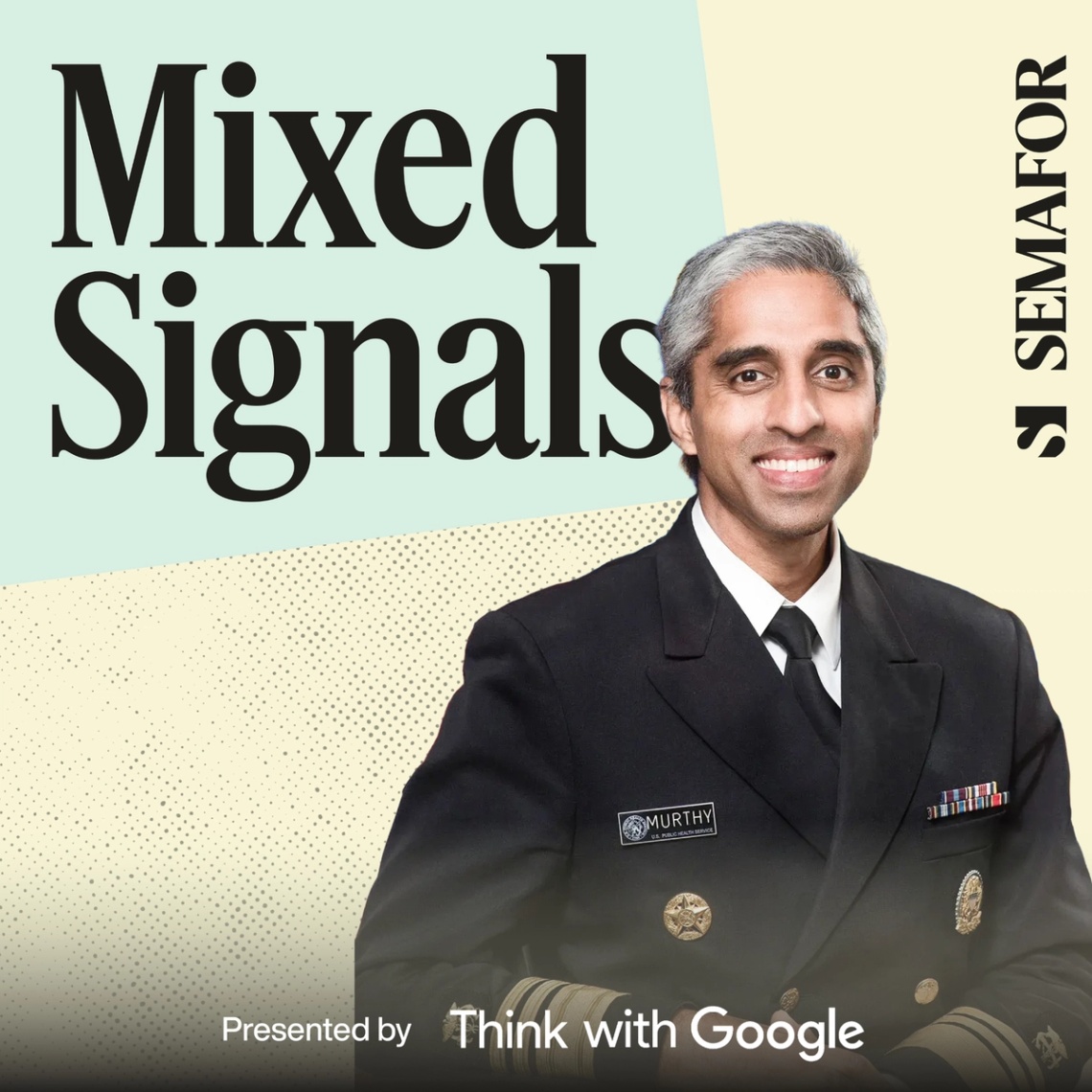 Former Surgeon General Vivek Murthy is more worried about your phone than your body. On this week’s episode of Mixed Signals, Murthy joins Max and Ben to make the case that America’s loneliness crisis is a public health emergency — and that social media is a bigger driver of it than almost anything else we’re paying attention to. Plus, why he chose to focus on isolation rather than cancer or heart disease after his tenure, whether the science on social media harms is as definitive as he suggests, and what he’d say to people who think the social benefits of drinking alcohol are worth the health risks. Listen to the latest Mixed Signals now. |
|
Ukraine’s growing fightback |
|
|


