The Ebola outbreak in the eastern Democratic Republic of Congo (DRC) reached a somber milestone this week as the number of deaths exceeded 1,000 on Tuesday. Although this is not the DRC’s first Ebola outbreak, the latest surge in cases presents new challenges, as there are no available vaccines for this specific strain, Bundibugyo ebolavirus. Adding to that obstacle is a growing lack of trust in public officials—both domestic and international.
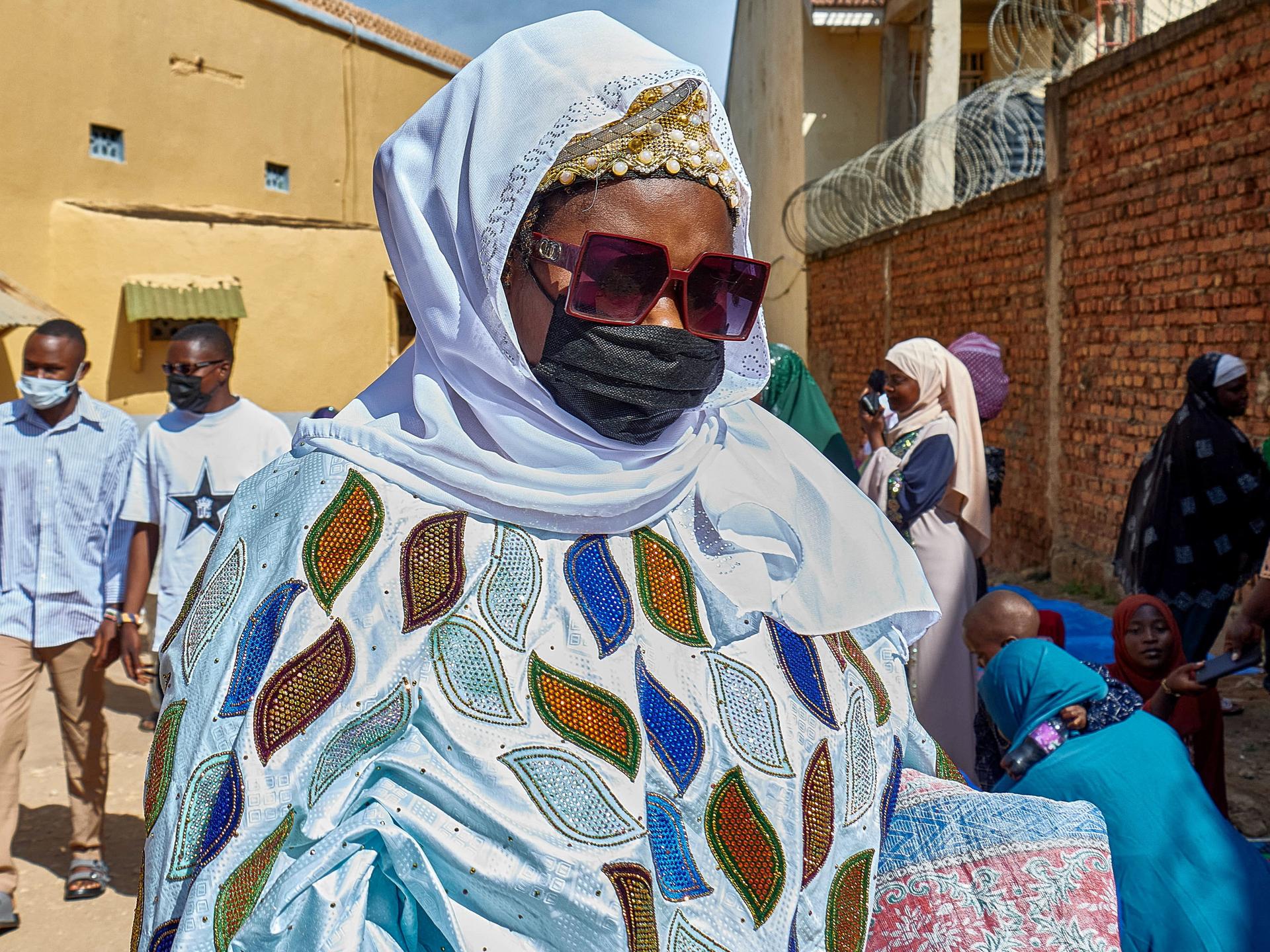
To overcome that distrust and better serve communities, local and international groups leading the response should engage religious actors say Georgetown University’s Olivia Wilkinson and Katherine Marshall. To lead this week’s edition, the pair outline engaging religious communities can support surveillance efforts, overcome communication challenges, and aid health workers.
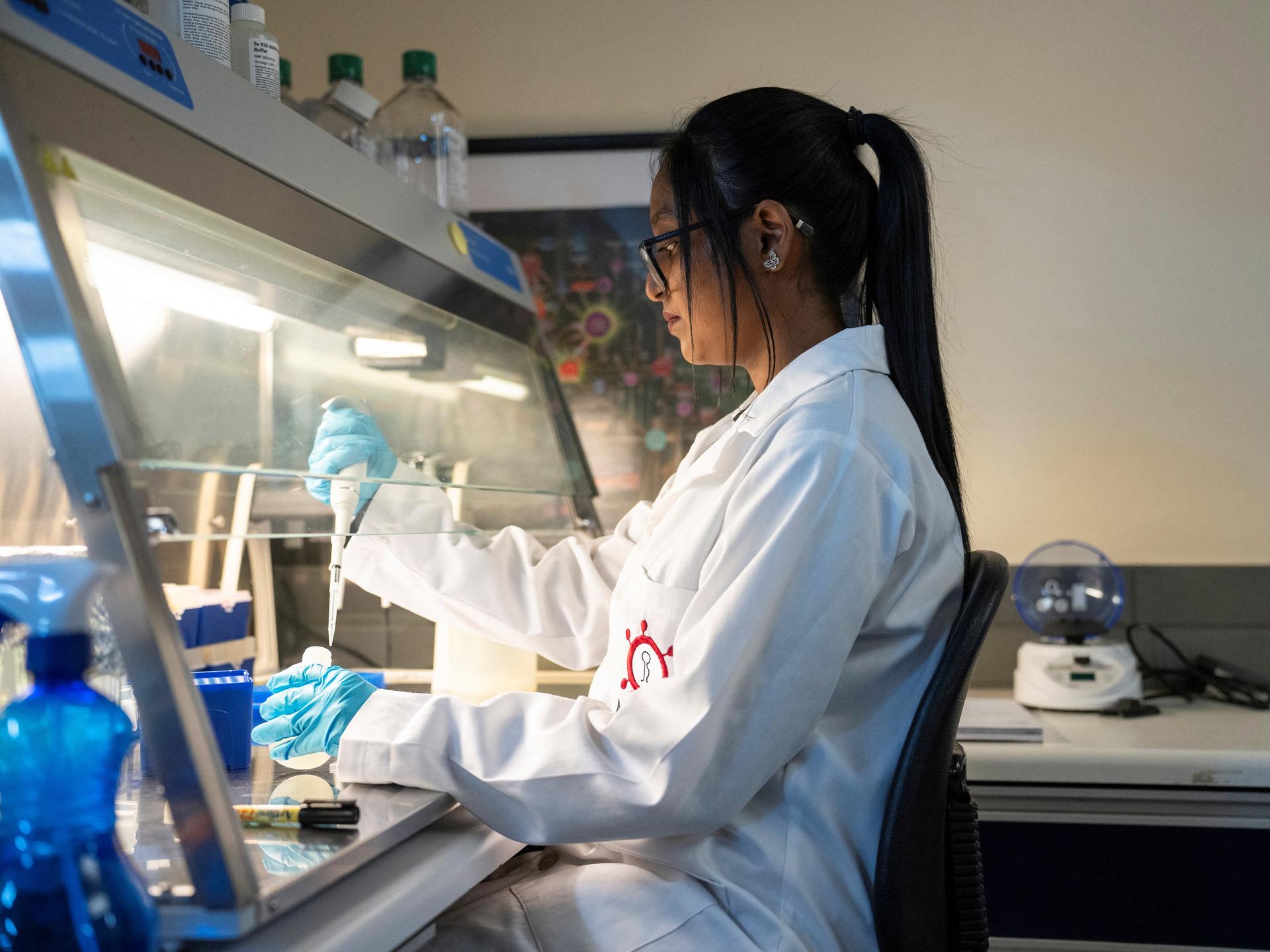
As U.S. cuts to global health jeopardize the development of new drugs, scientists can take matters into their own hands to jump-start new therapeutics. Maya Butani, a student at the London School of Hygiene & Tropical Medicine, outlines how biomedical researchers in South Africa are developing technologies that bolster each step of the global health drug-development pipeline and reduce dependence on high-income governments and pharmaceutical companies.
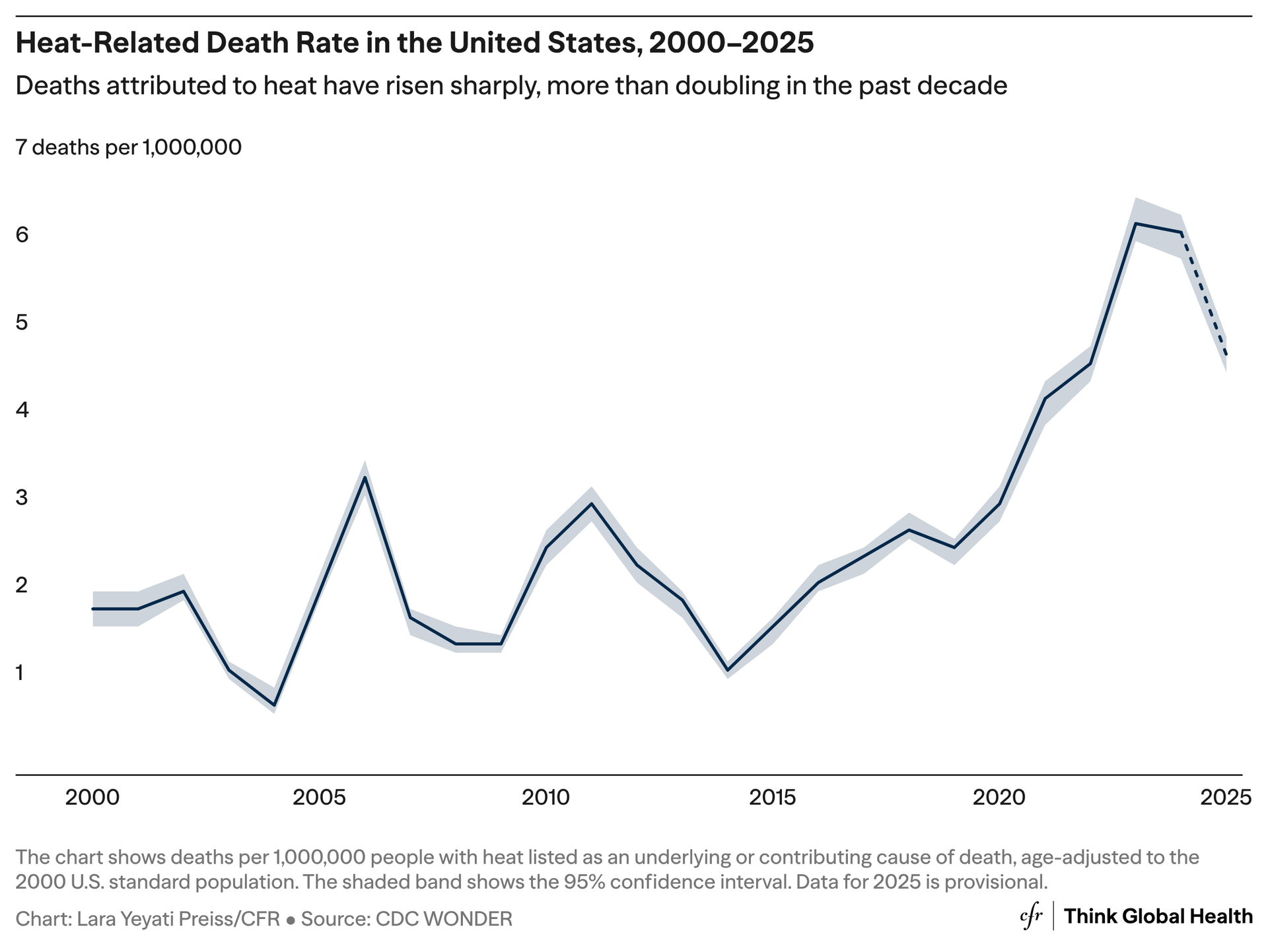
Meanwhile, the sprawling heat dome covering much of the central and eastern United States is bringing record-breaking temperatures and major health consequences, including heightened drug harms. To round out the week, journalist Sam Nichols explains how both heat waves and cold snaps can disrupt the body’s thermoregulation and increase sensitivity to the effects of drugs, making an overdose more likely.
Until next week!—Caroline Kantis, Associate Editor