Plus: Jimothy's mom did a good job ‌ ‌ ‌ ‌ ‌ ‌ ‌ ‌ ‌ ‌ ‌ ‌ ‌ ‌ ‌ ‌ ‌ ‌ ‌ ‌ ‌ ‌ ‌ ‌ ‌ ‌ ‌ ‌ ‌ ‌ ‌ ‌ ‌ ‌ ‌ ‌ ‌ ‌ ‌ ‌ ‌ ‌ ‌ ‌ ‌ ‌ ‌ ‌ ‌ ‌ ‌ ‌ ‌ ‌ ‌ ‌ ‌ ‌ ‌ ‌ ‌ ‌ ‌ ‌ ‌ ‌ ‌ ‌ ‌ ‌ ‌ ‌ ‌ ‌ ‌ ‌ ‌ ‌ ‌ ‌ ‌ ‌ ‌ ‌ ‌ ‌ ‌ ‌ ‌ ‌ ‌ ‌ ‌ ‌ ‌ ‌ ‌ ‌ ‌ ‌ ‌ ‌ ‌ ‌ ‌ ‌ ‌ ‌ ‌ ‌ ‌ ‌ ‌ ‌ ‌ ‌ ‌ ‌ ‌ ‌ ‌ ‌ ‌ ‌ ‌ ‌ ‌ ‌ ‌ ‌ ‌ ‌ ‌ ‌ ‌ ‌ ‌ ‌ ‌ ‌ ‌ ‌ ‌ ‌ ‌ ‌ ‌ ‌ ‌ ‌ ‌ ‌ ‌ ‌ ‌ ‌ ‌ ‌ ‌ ‌ ‌ ‌ ‌ ‌ ‌ ‌ ‌ ‌ ‌ ‌ ‌ ‌ ‌ ‌ ‌ ‌ ‌ ‌ ‌ ‌ ‌ ‌ ‌ ‌ ‌ ‌ ‌ ‌ ‌ ‌ ‌ ‌ ‌ ‌ ‌ ‌ ‌ ‌ ‌ ‌ ‌ ‌ ‌ ‌ ‌ ‌ ‌ ‌ ‌ ‌ ‌ ‌ ‌ ‌ ‌ ‌ ‌ ‌ ‌ ‌ ‌ ‌ ‌ ‌ ‌ ‌ ‌ ‌ ‌ ‌ ‌ ‌ ‌ ‌ ‌ ‌ ‌ ‌ ‌ ‌ ‌ ‌ ‌ ‌ ‌ ‌ ‌ ‌ ‌ ‌

US Edition - Today's top story: Should paper checks be abolished like the penny? View in browser

24 July 2026

US Edition

The Conversation
 

Top headlines

Lead story

When you see a penny lying on the ground, do you bother to pick it up and put it in your pocket? A lot of Americans don’t because, well, pennies aren’t worth much anymore. Acknowledging that lack of usefulness, compounded with the cost of minting them, the U.S. government stopped producing pennies in 2025.

With the rise of online banking and the broader digitalization of financial transactions of all kinds, might the days of paper checks be numbered as well?

To get an interesting answer to that question, I turned to Jay L. Zagorsky, a Boston University business school professor who defends the preservation of cash. He quickly obliged, explaining why “American people and businesses still use and need checks.”

[ Sign up for our newsletter on how AI is impacting society. Every Friday. ]

 

Emily Schwartz Greco

Philanthropy + Nonprofits Editor

 
While Americans are writing fewer checks, they haven’t abandoned this means of payment. CSA Images/Getty Images

Should paper checks be abolished like the penny?

Jay L. Zagorsky, Boston University

Many Americans still write checks, even if you no longer do.

Politics + Society

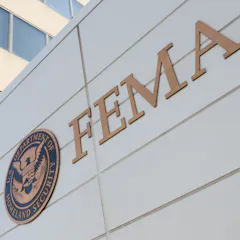
Is withholding federal counterterrorism funds from states – as FEMA has threatened – legal?

Austin Sarat, Amherst College

Legal scholars argue that when executive branch agencies impose conditions on federal funds, courts should give these cases special scrutiny.

Science + Technology

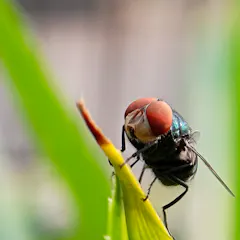
Colorado prepares for screwworms, as the pest that was eradicated in 1966 returns to the US

Sarah Tomlinson, Colorado State University

After screwworm cases were reported in Texas and New Mexico, Colorado is taking preventive measures against the pest.

Jimothy the raccoon survived against the odds, a testament to sophisticated brains and devoted mothers

Kelly Lambert, University of Richmond

Surviving in the wild is no small feat for animals, especially ones like Jimothy, with rare conditions And yet he persevered to viral celebration, thanks to an adaptable brain and a caring mother.

Environment + Energy

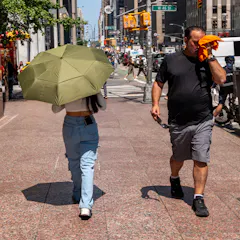
How do scientists know if climate change made a heat wave, extreme storm or wildfire worse?

Kevin T. Smiley, Louisiana State University ; Deepti Singh, Washington State University; Jennifer Marlon, Yale University; Jim Hurrell, Colorado State University

A National Academy of Sciences report examined the latest advances in extreme event attribution science. As four of the authors explain, the type of disaster makes a difference.

Pennsylvania roads are being coated in radioactive wastewater − here’s why

William Burgos, Penn State; Nathaniel Warner, Penn State

Wastewater from Pennsylvania’s oil and gas wells is salty and radioactive, and doesn’t suppress dust. Two researchers explain why it keeps ending up on rural roads.

Health + Medicine

The Benadryl Challenge isn’t going away – here’s how public health officials are trying to stop this deadly viral trend

Andrew Yockey, University of Illinois Urbana-Champaign

This is just one example of an online trend with real-world health consequences.

South Dakota’s abortion pill advertising ban runs into free speech roadblock

Lucinda M. Finley, University at Buffalo

Although states have the power to regulate medical care, they cannot exercise that power by prohibiting speech on medical topics that the state disagrees with.

Millions of family caregivers manage complex diets for older relatives – often with little nutritional guidance

Minakshi Raj, University of Illinois Urbana-Champaign

Caregivers often don’t recognize how much time, energy and effort is dedicated to their nutrition-related responsibilities, and many feel unprepared for them.

From the archive️

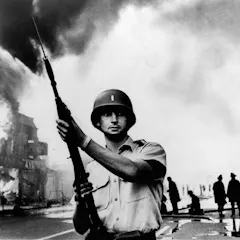
Why Detroit exploded in the summer of 1967

Jeffrey Horner, Wayne State University

Fifty years ago, Jeffrey Horner watched news broadcasts of the riots that erupted just miles from his home. But he was worlds apart from the racial tensions that had been festering for decades.

Trending on site

The Conversation's News Quiz

H.R. 139, passed by the U.S. House of Representatives on July 14, would put the country on permanent daylight saving time. The bill is known as the ...

Bright Beautiful Bill
Oh Say You Can See Act