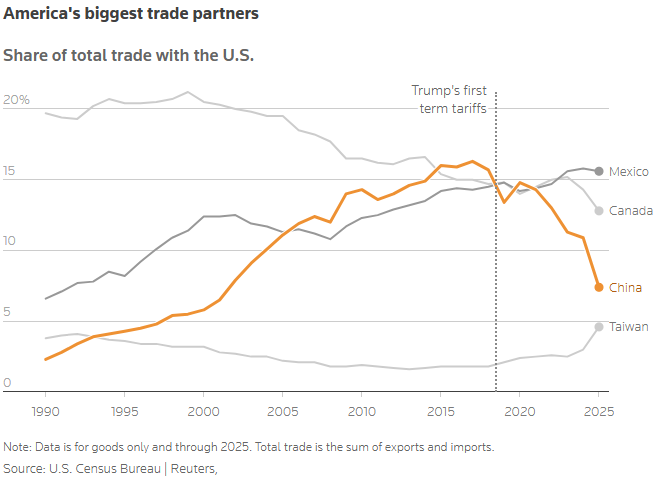
Canadian Prime Minister claims his negotiators were "attacked" at the last minute by the U.S. and would retaliate "dollar for dollar". With Canada accounting for about 12% of U.S. trade, the implications for the U.S.-Mexico-Canada trade agreement (USMCA) are now a big question, as is the impact on U.S. prices from higher levies on goods such as cement, furniture and clothing. Canada’s dollar, which had strengthened significantly last week against a softening greenback, fell back first thing Monday.
Oil prices fell back about 1% too overnight as energy markets await the details of the Trump administration's "economic warfare" sanctions against Iran. These measures are expected to squeeze Iran’s economy by targeting other countries that trade with it. The big ones are China, Russia and India.
The slight pullback in oil prices kept a lid on restive U.S. Treasury yields. The main focus of the rates market this week, however, is clearly the Federal Reserve’s Jackson Hole symposium, culminating in new Chair Kevin Warsh’s keynote speech on Friday. Warsh is likely to speak more about his proposed Fed reforms rather than offer any guidance on the September policy meeting.
Before then, the Fed’s favored PCE inflation gauge for July is released on Wednesday. And that report comes on the same day as the big corporate event of the week, Nvidia’s quarterly results. The chip giant's profits are expected to have doubled over the year, with spending plans ahead forecast to top $100 billion.
Options markets are braced for a 5% stock swing in either direction based on Nvidia's numbers, but the biggest takeaway as always will be what these results signal about the durability of the gigantic AI infrastructure build-out.
And, finally, the financing of that AI push is very much in focus on Monday, with China's tech giant Alibaba slumping 10% in Hong Kong trading after it launched a $10.2 billion share sale to fund its AI ambitions - the latest in a long line of debt and equity financing for AI around the world.