|
|
|
Your brain doesn’t work in isolation. Nutrition, movement, hormones, emotional health, and your environment can all influence how you think, feel, learn, and function over time.
This week’s conversations explore brain and whole-body health from several angles. Discover why methyl B12 remains part of some approaches to complex pediatric care, how your feet send important sensory information to your brain, what women should know about hormone therapy in midlife, and how Dr. Terry Wahls approached her own journey with multiple sclerosis.
You’ll also hear a broader conversation about learning, emotional regulation, family relationships, and cognitive health across different stages of life. |
 |
|
|
New & Noteworthy Podcast:
MAPS: Healing Tomorrow's Future
The MAPS Podcast brings together clinicians, researchers, allied health professionals, and innovators to discuss new ideas and evolving approaches in personalized medicine and complex chronic care.
From children with complex health and developmental concerns to families seeking better answers, each conversation offers another way to understand the many factors that influence health, learning, behavior, and recovery.
About the Podcast:
John Gaitanis, MD
Dr. John Gaitanis is a pediatric neurologist who cares for children and adolescents with complex neurological and neuroimmune conditions, including developmental regression, PANS/PANDAS, and seizure disorders.
|
 |
|
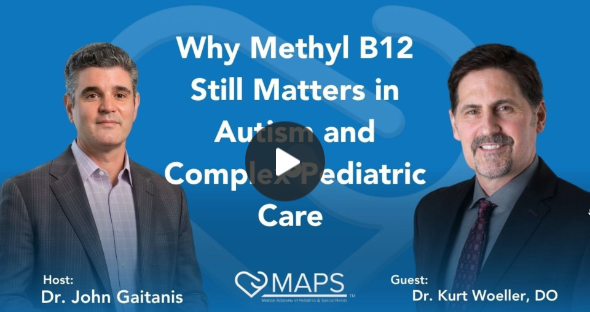
Host: John Gaitanis, MD
Guest: Kurt N. Woeller, DO
Why Methyl B12 Still Matters in Autism and Complex Pediatric Care
Why is methyl B12 still used in some approaches to autism and complex pediatric care? Dr. Kurt Woeller explains its connection to methylation, oxidative stress, and nutrient metabolism, and discusses how organic acid testing may provide additional clues about gut and mitochondrial function.
The conversation also returns to the basics that can easily be overlooked, including nutrition, water quality, gut health, nutrient support, and follow-up testing as a child’s needs change.
|
|
|
Featured Talks |
|
|
 |
|
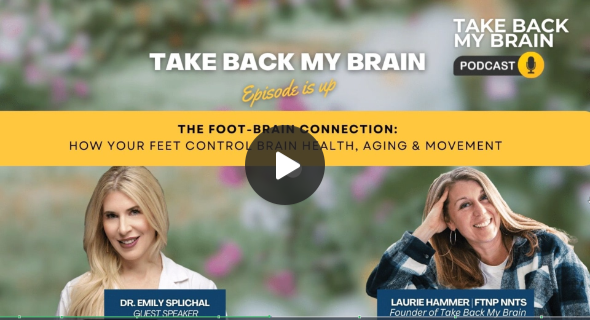
Host: Laurie Hammer, FNTP, NNTS
Guest: Dr. Emily Splichal
The Foot-Brain Connection: How Your Feet Control Brain Health, Aging & Movement
Your feet do much more than carry you from place to place. Every step sends sensory information back to your brain, helping your body coordinate balance, movement, and awareness of where you are in space.
Dr. Emily Splichal explains how toe strength, walking patterns, footwear, and sensory stimulation may influence mobility as you age, and why paying more attention to your feet could support better movement throughout life.
|
|
 |
|
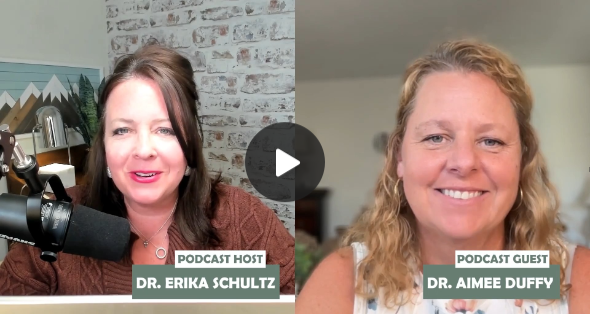
Host: Erika Schultz, LAc, DACM, ACN
Guest: Aimee Duffy
The Better Question: What If Midlife Symptoms Aren’t Inevitable?
For years, many women have been uncertain or even fearful about hormone therapy. Dr. Aimee Duffy revisits how earlier hormone research shaped that conversation and explains why today’s decisions involve more than simply choosing whether or not to use HRT.
She discusses differences in hormone formulations and delivery methods, including oral, topical, and pellet options, and why factors such as timing, dosing, symptoms, health history, and ongoing monitoring all matter when considering personalized hormone care.
|
|
|
 |
|
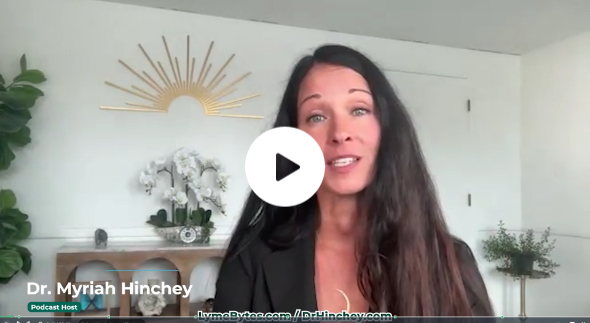
Host: Myriah Hinchey, ND, FMAPS
Guest: Terry Wahls, MD
Reversing MS: The Wahls Protocol
Dr. Terry Wahls knows the challenges of multiple sclerosis personally. After experiencing severe disability, she began exploring how nutrition, supplements, movement, and other lifestyle changes could become part of a broader approach to supporting her health.
In this conversation, she shares the thinking behind the Wahls Protocol® and discusses the possible roles of mitochondrial health, nutrition, and infections such as Epstein-Barr virus and tick-borne illnesses in the larger MS picture.
|
|
 |
|
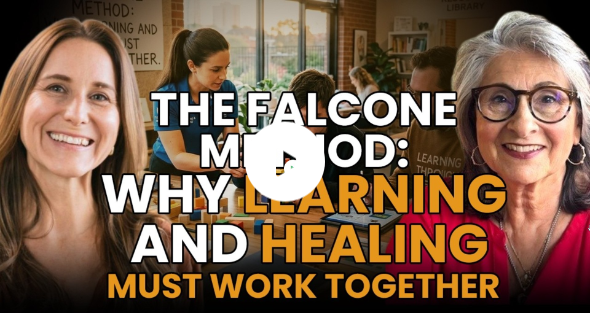
Host: Heather Sandison, ND
Guest: Madeline Falcone
The Falcone Method: Why Learning and Healing Must Work Together
Learning challenges don’t always exist separately from emotions, relationships, and the way the brain processes the world.
Drawing on more than 40 years of experience as a special education teacher and family therapist, Madeline Falcone shares how she integrates emotional intelligence, brain science, learning, and family dynamics to help children and adults facing cognitive or behavioral challenges.
Dr. Heather Sandison adds another perspective from her work with people experiencing early memory changes, discussing how personalized approaches to brain health may help support cognitive function. Together, they look at what can happen when learning, emotional health, family relationships, and brain health are considered as parts of a bigger picture.
|
|
|
|
|
Upcoming Summits & Conferences:
The Future of Meno(Pause) Medicine Summit: Uncensored. Unconventional. Unapologetic.
September 12 – 16, 2026 |
|
A different conversation about menopause is coming.
The Future of Meno(Pause) Medicine Summit brings together experts for five days of conversations on hormones, midlife health, brain longevity, beauty, identity, and what it means to feel strong and vibrant in the years ahead.
It’s an opportunity to question some of the assumptions women have been given about aging and discover new perspectives on navigating this next chapter with greater knowledge, confidence, and choice.
Registration is now open. Reserve your spot and join the conversation.
View the summit details & register |
|
|
|
|
|
|
 |
|
|
| \n\n\n
|
|
|
|
|