Plus: 9/11 25 years later: What we choose to remember |

US Edition - Today's top story: Huachuma, the Andean psychedelic cactus, is drawing Western seekers and raising ethical questions

September 8, 2026

US Edition

The Conversation
 

Top headlines

Lead story

Many Americans have been looking for healing in ancient traditions and reaching out for psychedelics. The latest to draw them is an Andean cactus, huachuma, better known as San Pedro.

Used for centuries in healing and spiritual ceremonies in South America, the plant contains mescaline, a psychoactive compound that alters perception and amplifies feelings of empathy and connection.

Pardis Mahdavi, a medical anthropologist who conducts research on psychedelics, interviewed hundreds of seekers over three years, from Arizona to Mexico to Costa Rica. As she writes, “Many came to huachuma after trying nearly everything else: talk therapy, antidepressants, silent retreats, other psychedelics.”

She cautions about both its safety and the ethics of its use, which include respecting the traditions and lineages surrounding huachuma. “The shamans I have interviewed hold clear, consistent beliefs about how to serve huachuma ethically, and for them the work begins long before anyone drinks,” she writes.

Sign up for our weekly Global Economy & Business newsletter, with expert perspectives from around the world.


 

Kalpana Jain

Senior Religion + Ethics Editor, Director of the Global Religion Journalism Initiative

 
Huachuma, an Andean cactus better known as San Pedro, has been used for centuries in healing ceremonies. Forest & Kim Starr via Wikimedia Commons

Huachuma, the Andean psychedelic cactus, is drawing Western seekers and raising ethical questions

Pardis Mahdavi, University of California, Berkeley

Huachuma, the Andean cactus better known as San Pedro, contains mescaline, a psychoactive compound that alters perception and mood.

Politics + Society

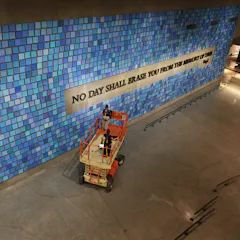
What we forget when we remember 9/11

Stephanie A. (Sam) Martin, Boise State University

There is a strange nostalgia in realizing that something once so immediate now belongs increasingly to people who know it only as the past.

Health + Medicine

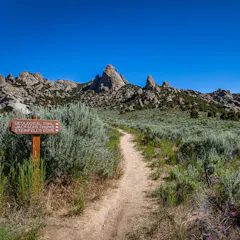
Could you survive The Oregon Trail? An emergency medicine doctor offers tips on how to not die in the great outdoors

Elaine Reno, University of Colorado Anschutz

Medicine and technology may have advanced, but the dangers of the wilderness remain unchanged. The Oregon Trail game provides timeless tips on how to enjoy nature safely.

Science

‘Star Trek’ and NASA have intertwined legacies – the show championed diversity and inspired generations of real space scientists

Deana L. Weibel, Grand Valley State University

60 years of ‘Star Trek’: A cultural anthropologist on how the show’s “infinite diversity in infinite combinations” conception helped shape NASA’s vision of the future.

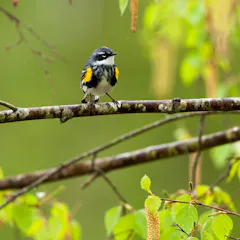
Tiny backpacks reveal the secret, sometimes circuitous migrations of small songbirds

Stephanie Szarmach, Smithsonian Institution

Tiny geolocators measure light levels and atmospheric pressure to reveal the migrations of small songbirds – including the yellow-rumped warbler, also known as a butter-butt – in unprecedented detail.

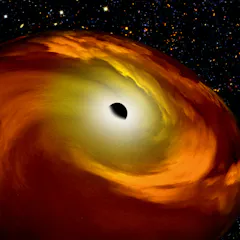
Do you need to worry about the Sun turning into a black hole?

Anuradha Gupta, University of Mississippi

Some stars turn into black holes at the end of their lifespans, once they stop burning the fuel in their cores.

Technology

AI is helping ease competition for scarce space on the airwaves

Aylin Yener, The Ohio State University

Radio spectrum is a critical but limited resource, but advances in technology are making it possible to share.

Trending on site

Today's chart

The chart shows the annual difference between overdose death rates in 118 counties that suffered serious flooding and 101 similar counties that did not. The baseline is the year before the flood, set as 0 to show change over time. In the 10 years following a severe flood, the annual overdose death rate was 2.6 deaths per 100,000 people, about 26%, higher in flood-hit counties.

Severe flooding raises deadly overdose risk in rural Appalachia, study finds – and the harm lasts for years

Read the article
 

About The Conversation

We're a nonprofit news organization dedicated to bringing you facts and trustworthy analysis to help you make sense of our complex world. We can give away our articles thanks to the generosity of readers like you. Learn more about us

Support our work

More from The Conversation

Follow The Conversation

You can find us on all your favorite platforms:

YouTubeBlueskyFacebookTikTok

LinkedInInstagramMastodon

• Or get occasional texts from us


Unsubscribe or manage your preferences