Free online training on EPA’s home visit checklist
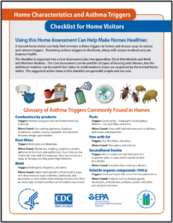
 The Home Characteristics and Asthma Triggers: Checklist for Home Visitors was developed through a partnership among the EPA, CDC and U.S. Department of Housing and Urban Development to help identify potential asthma triggers and environmental health concerns in homes. The checklist supports home visitors and health professionals in recognizing common indoor exposures that may affect respiratory health and overall well-being.
To help professionals use the checklist effectively during home visits, a free online training is available through CDC TRAIN. The training provides practical guidance on conducting environmental health assessments, identifying asthma triggers and using the checklist to support healthier home environments. By completing the training, public health and health care professionals can strengthen their understanding of environmental health assessments and learn strategies for addressing asthma-related concerns in homes and communities.
The checklist and training are valuable resources for home visitors, community health workers, environmental health professionals and others working to support children and families affected by asthma.
Access the checklist and explore the free online CDC TRAIN course to learn more about environmental health and asthma prevention.
Residential wood smoke: tips to help prevent childhood asthma triggers
As the seasons shift and cooler fall and winter temperatures arrive, people tend to spend more time indoors, and many homes across the United States, including in rural and Tribal communities, use wood stoves for warmth and/or cooking. When wood and organic matter burn, they produce wood smoke, which can affect the lungs and lead to inflammation and exacerbation of asthma and respiratory conditions. Children are especially susceptible to the effects of wood smoke. Learn more about wood smoke and asthma through children’s videos about breathing easier, reducing smoke and using dry firewood.
You can take steps to protect your and your children’s health. Dry, seasoned wood that has been properly stored burns efficiently, creating less smoke. In addition, replacing old wood stoves with new, EPA-certified heating appliances will burn wood at least 50 percent more efficiently and pollute 70 percent less than older models. Read more about best wood-burning practices to reduce your exposure.
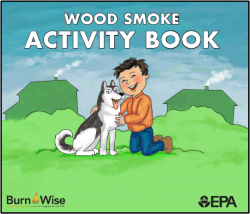
Engage with children to learn more about wood smoke and asthma through the Wood Smoke Activity Book, where children can read the story about best burning practices, color the pictures and complete the activities within the book.
As wood-burning season approaches, now is a great time to review ways to reduce smoke exposure and create a healthier home environment. Explore EPA’s residential wood smoke content from EPA’s historical Burn Wise Program for more information and tips!
Resource spotlight
Access AsthmaCommunityNetwork.org’s Resource Bank for the latest asthma resources! Each newsletter we spotlight a resource from the Resource Bank, a hub that contains more than 600 different resources. Network members can search for and exchange asthma resources to support their work.
Add your program’s resource(s) to the Resource Bank — Share your successes with the AsthmaCommunityNetwork.org community!
The Breathe Easies
The Breath Easies are the world’s most famous (and only) asthma rock band! They want to tell you all about how to stop asthma triggers in your home.
|
Visit NoAttacks.org and jam to their hit songs, “Clean Up the Mold,” “Don’t Smoke in the House” and “Vacuum Up the Floor”!
The website helps people understand childhood asthma to help children with asthma and their parents and caregivers cope with and prevent asthma attacks.
|
|
 |
Wood Smoke Activity Book
EPA partnered with the Alaska Department of Environmental Conservation’s BurnWise Alaska program and Carolyn Kelly of the Quinault Indian Nation to create this free activity book that teaches children about wood smoke and healthy burning practices. Through an engaging story, coloring pages and interactive activities, children can learn how responsible wood burning helps protect air quality and community health.
Stay connected!
Subscribe to the Asthma Community Network for email updates.

|